

Publication History
Submitted: April 05, 2025
Accepted: April 20, 2025
Published: April 31, 2025
Identification
D-0581
DOI
https://doi.org/10.71017/djnsi.4.4.d-0581
Citation
Abukari Fuseini (2025). Response of Two Yellow Maize Varieties on Yield & Yield Components to the Application of Briquettes NPK Fertilizer and Organic Manure (Poultry Manure). Dinkum Journal of Natural & Scientific Innovations, 4(04):210-219.
Copyright
© 2025 The Author(s).

210-219
Response of Two Yellow Maize Varieties on Yield & Yield Components to the Application of Briquettes NPK Fertilizer and Organic Manure (Poultry Manure)Original Article
Abukari Fuseini 1*
- University for Development Studies – Tamale, Ghana.
* Correspondence: juunah.fa@gmail.com
Abstract: Maize is an important cereal crop that provides staple food to large number of human populations in world. In developing countries maize is a major source of income to many farmers. It was conducted on-farm at the faculty of agricultural experimental field, UDS-Nyankpala cumpus in the northern part of Ghana to compare NPK briquette and organic manure in two yellow maize varieties. This study encouraged the use of organic manure (poultry manure) in the production of yellow maize and to find out whether NPK briquette can be applied once in the production of yellow maize for better yield. The experiment consisted of six treatments which were laid down in a randomised complete block design (RCBD) with three replications. The fertilizer treatments consisted of organic manure (poultry manure) and NPK briquette both applied once, together with control (no fertilizer). Abontem and Bihi Lifa yellow maize varieties was used as planting materials. The fertilizer treatments had significant difference effect on the leaf area index, the organic fertilizer (poultry manure) recorded the highest leaf area index, whiles the control recorded lowest. There were significant differences in the plant heights with respect to the fertilizer treatments. However, the organic fertilizer (poultry manure) had the highest plant height, whilst the Control treatment lagged in the fertilizer treatments in plant height. The grain yield from the organic treatment recorded the highest and the control lagged. It is recommended that farmers should adopt use of organic manure in the production of yellow maize, as it reduces cost of production and as well gives higher economic yield as compared to the briquettes NPK fertilizer and MOFA and other Agricultural agencies should vigorously work together to promote the use of organic manure.
Keywords: response, yellow maize, varieties, yield components, fertilizer
- INTRODUCTION
Maize is an important cereal crop that provides staple food to large number of human populations in world. In developing countries maize is a major source of income to many farmers [1]. Maize is relatively a short duration crop and capable of utilizing inputs more efficiently and is potentially capable of producing large quantity of food grains per unit area. It can successfully be cultivated twice a year as spring and autumn crop. Maize has greater nutritional value as it contains about 72 % starch, 10 % proteins, 4.8 % oil, 8.5 % fibre, 3 % sugar and 1.7 % ash [2]. Also, Maize is the most important and staple crop for most population in sub-Saharan Africa. The crop is widely cultivated in more countries than any other cereal crop [3]. It’s cultivated in an array of different ecological zones and it’s one of the most important cereal crops in the world [4]. It is reported that both developed and developing countries consumed about 50 % of the total maize produced, 43 % is used as feed for animals whiles the rest is used for manufacturing purposes [5]. In Ghana, it is consumed in both rural and urban areas and serves as the second prime article of trade to cocoa and help in checking food insecurity [6]. The worldwide demand for maize recorded today is due to the overall increase in the average yield from around 1.0 Mg/ha to 8.0 Mg/ha over the past sixty years [7]. The current yield potential of maize in transitional, tropical and subtropical lowland of the sub-Saharan Africa is 5.0 t/ha, 7.0 t/ha and 4.5 t/ha respectively [8] whereas the worlds average yield of maize is 9.9 t/ha [9], the production of maize has increased since 1965 and constituted the most widely consumed staple food in Ghana [10]. The supply of maize in Ghana has been increasing for the past years with an average supply of 1.4 million Mt between the periods of 2005 to 2010 [11]. Maize is produced by majority of people in all the five agroecological zones of Ghana [12] by smallholder resourced poor farmers with inadequate productions or yield determining factors [13]. The roots of maize can be incorporated in to the soil to improve the structure of the soil [14]. Maize provides carbohydrate, protein, iron, vitamin B and minerals, it is estimated that maize contain 72 % starch, 10 % of protein 4 % of fat. It is used for a variety of dishes such as porridge, paste etc., and provision of raw materials for industrial purposes such as production of starch for alcoholic beverages. The most predominant factors that influence the yield potential of maize are the type of hybrid and the use of fertilizer [15]. IFPR (2004) reported that in Bangladesh yield of rice was increased by 15 – 25 % while expenditures on commercial fertilizer were decreased by 24-32 % when fertilizer briquettes were used. It is estimated that about 50 % of food producers depend on nitrogen fertilizer for food production, it is also reported that about 83 million metric tons of nitrogen fertilizer is use in production worldwide [16]. Organic inputs such as green manure and animal manures has great potential for improving soil properties and crop yield as well as nutrients availability, however, sole application of organic sources of plant nutrients do not produce remarkable increase in crop yields due to their low nutrient status. Therefore, to maintain soil productivity on a sustainable basis, combination of organic and chemical sources of nutrient needs to be adopted. Continuous use of plant and animal organic nutrient sources help to build up soil organic matter, encourage microbial activity, and improve physical properties of the soil. Whereas, the sole use of chemical nutrient sources provides mainly one or more essential plant nutrient which the soil cannot supply in adequate quantities. Generally, arid land soils are of low essential fertility and therefore require external inputs to be improved. On the other hand, the disposal of organic wastes is representing a serious environmental problem and therefore, the decomposing of these wastes into organic fertilizers for crop production will help in sustaining soil productivity and decreasing agricultural inputs [17]. Application of available sources of organic plant nutrients for enhancing soil fertility and sustaining crop productivity should be used in an integrated manner [18]. Recently, there is a growing interest in the tropical world in using organic sources of plant nutrients for improving soil productivity in order to reduce the use of inorganic fertilizers [19]. Moreover, there is abundance of organic sources such as farm residues, green manure and animal manures, in addition, the effect of integrated use of organic and mineral fertilizers on improving the quality of crops didn’t receive much research attention. These reasons demanded the need to study the possible use of available organic sources and mineral fertilizer to improve the yield and quality of such crops. It is within this context that this study was carried out in arid land in west of Saudi Arabia to quantify the effects of organic and mineral fertilizers and their combinations on protein, oil and minerals content of grain of two maize cultivars. Organic fertilizer can be used to improve soil characteristics and obtain high crop yields in addition with inorganic fertilizer [20]. In organic fertilizer use, production of crops free from heavy metal contamination will be guaranteed [21]. The addition of organic amendments to manage the current trend of soil physical, chemical and biological degradation has been recommended by [22]. Organic and inorganic fertilizers have their merits and demerits. For instance, organic fertilizers are slow-release nutrient sources. This implies that crops can suffer initial starvation from nutrient immobilization prior to mineralization. They are also required in large quantities which may not be readily available to small scale farmers [8]. On the other hand, while inorganic fertilizers ensure quick availability of nutrients to crops, they have limited residual effect of the applied nutrients and their reckless use can create nutrient imbalance that limits the uptake of other essential nutrients and cause soil acidity leading to low crop yields. In addition, they are expensive and may not be readily available. Maize (Zea mays L.) is a very high nutrient – demanding crop, requiring adequate nutrition for maximum performance [17]. Among the several other factors which causes decline in maize yield is soil degradation for intensive cultivation and continuous application of the rates of NPK fertilizers which may cause nutrient imbalance and limit the uptake of other essential nutrients, thus limiting the crop performance [13]. The use of organic materials is an important component for sustainable agricultural production as when such materials are applied to agricultural land, they promote sustainability because of: Their long-term position effects on soil chemical and physical properties. The possibility of recycling plant nutrients within a farm (e.g. feeding harvested fodder to livestock and then applying farmyard manure from these animals back to the land). The possible substitution of readily available organic inputs for chemical fertilizer, and therefore a decreased dependence on external sources for costly fertilizer. The general improvement in maize crop yield and quality obtained when adequate rates of organic soil amendment are incorporated into the soil [11]. In northern Ghana, planting of cereals and other vegetables at household levels is sustained using chicken droppings and cow dung (compost) as sources of improving fertility of apparently depleted soil. The major constraints to the use of organic materials for maize crop production are competing alternative uses, bulk, time and the quality of organic materials. In addition to incorporation and as much as mulch, plant and animal remains are also used by farmers for fuel, housing, fencing, animal feed and for industrial purposes. These alternative uses invariably reduce the quantity of waste and residues being returned into the soil. The amount of organic matter needed to achieve most optimum maize crop productivity is enormous. Apart from the problem of returning the crop residue into the soil farmers often do not produce the quantity sufficient to maintain soil fertility and conserve the soil. The farmer must allow appropriate time between incorporation and planting to enable the maize crop to benefit from nutrient released from the organic matter. Failure to synchronize the time mineralization with crops needs will lead to waste of the nutrients. There may also be injury to the crops following heat on decomposition of freshly incorporated organic matter. For crops to drive nutritional benefits from incorporated organic matter, it must be of high quality. That is, the carbon/nitrogen ratio of the organic matter being incorporated in the soil must be below 20:1 – 25:1. This study Compared the briquettes NPK fertilizer and poultry manure on the yield and yield components of yellow maize and evaluated the performance of bihilifa variety and abontem variety with the application of briquettes NPK fertilizer and organic manure.
- MATERIALS AND METHODS
The study was conducted on on-farm at faculty of agriculture experimental field, located on the UDS-Nyankpala campus. Nyankpala is in the Tolon district of the northern region, about 16km way from Tamale. The site is located about 16 km west of Tamale and lies on latitudes N 090 24ʺ 15.9 ʺ and longitude W 0010 00ʺ 12.1ʺ of the interior Guinea Savanna agroecological zone of Ghana, which has a mean daily temperature of 26 ℃ [23]. The area has a unimodal rainfall pattern averaging about 1100 mm annually [24]. The area is defined by a single rainy season, which starts in late April with little rainfall, rising to its peak in July – August and decrease sharply and coming to a complete halt in October – November. The dry season starts from November to March with day temperatures ranging from 33 °C to 39 °C, while mean night temperature range from 20 °C to 26 °C. The Mean annual rainfall ranges between 950 mm – 1,200 mm [25]. The soil is generally of the sandy loam type except in the low lands where alluvial deposits are found. The soil also consists of yellow-brown clay with silt which development as a mainly from colluvium and belongs to kpalsawgu series [23]. The experiment was done on three replications. There were six treatments that were laid down in a randomized complete block design. Each block consisted of six plots with a plot measuring 4.5 m × 4.5 m with a boundary of 0.5 m between plots and 1.0 m between reps. The treatments consisted of organic manure (poultry droppings) at 10 tha-1 and NPK briquette applied once at 1 briquette/plant on both bihilifa and abontem yellow maize varieties. The treatments were:
T1 = Abontem with briquettes NPK fertilizer
T2 = Abontem with organic manure
T3 = Abontem with no fertilizer
T4 = Bihilifa with briquettes NPK fertilizer
T5 = Bihilifa with organic manure
T6 = Bihilifa with no fertilizer
The field was ploughed using a tractor and was levelled using a hoe and rake. The plots were demarcated into 4.5 m x 4.5 m size. Bihilifa and Abontem yellow maize varieties were used as the planting materials, sowing was done in July. Two seeds were planted per hill with a planting distance of 75 × 30 cm. Refilling was done to replace seeds that failed to germinate. Briquetting of NPK was done by IFDC approved vendor, Ganorma. The NPK used was Yara’s 23 – 10 – 5. The weight of each briquette was 4.0 g. The NPK briquettes were applied two weeks after germination. The poultry manure was obtained from Alhaji Alhassan poultry farms located at Tampie-Kukuo in the Sagnarigu district. These were droppings of the birds which were collected on timely bases, when it is collected in heaps, it produces heat because of microbial activities. Therefore, it is necessary to apply the manure and incorporated into the soil for the microbial activities to take place before sowing of seeds. This should take at least two weeks before planting. Weeding was done manually. Two weeding’s were done, on the 3rd and 6th week after planting. Fall army worms were a major problem of cereals in this season. Ema star was used to control these fall army worms, which yielded a good result. Spraying was done three (3) times at the third, fourth and fifth weeks after emergence. Waiting to see symptoms before application was avoided because, these fall army worms were severely infested in nearby farms at the site where the experiment was carried out. Harvesting was done after the plant has reached physiological maturity. The maize on cobs was sent to glass house for further drying, threshing and drying of the grains. The following data were collected:
- Plant height at two weeks interval till tasseling.
- Days to 50 % tasselling
- Days to 50 % silking
- Leaf area index at the 2nd and 6th weeks
- Grain yield (weight).
- Cob length
- 100-seed weight
The height of five plants within the inner rows was recorded with a calibrated ruler. This was done by starting from the ground surface to the end of the uppermost leaf. Measurements were taken every four-week starting from the fourth week after planting to the twelve week and recorded in centimetres. Data were collected on 50 % silking and 50 % tasselling and this was done by counting the number of days’ half of the plants reach silking and tasselling. The five plants tagged were used for LAI. Three representative leaves from the top, middle and the bottom were used. The areas of each of the three were measured by multiplying the length by the width and by a constant, 0.75 [25]. The average area of the three representative blade leaves was computed to represent the area of one leaf. The number of leaves on each of the five plants was counted. The total leaf area of a plant was computed by multiplying the number of leaves on the plant by the mean leaf area. This was done for all the five tagged plants and a mean leaf area was obtained. To obtain the LAI, the mean area obtained was divided by the planting distance. Leaf area = L × W × A, Where L, W, and A are leaf length, leaf maximum width and a constant (A = 0.75), respectively and ground area was calculated using the planting distance of the plants. The grain yield was taken after threshing and drying the grains. The metallic sound produces by the grains when dropped in the bag containing the grain and the easy penetration of the hand to the elbow when dipped inside the bag containing the grains were the indications that the grains were properly dried. The weight of the grains from each plot was measured in kilogram and recorded; these were subsequently converted to kilogram per hectare. The cob length was taken after harvest, thus after drying and shelling. Five randomly selected cobs were selected from each treatment, their averages were taken and this was done on all the replications. The 100-seed weight was taken after harvest when the shelled grains was properly dried, thus which gives a metallic sound showing the evidence of well drying. 100-seeds each from each treatment were counted and weigh using an electronic weighing balance. The data collected were subjected to analysis of variance (ANOVA) using GenStat Statistical Package software, Teaching and Learning version, 18th edition. Treatment differences were determined using the least significant difference procedure. The significant differences between treatments were done at a 5 % probability level.
- RESULT & DISCUSSION
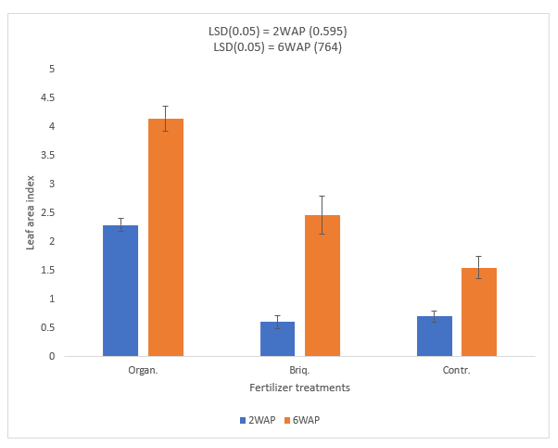
Figure 01: Effect of fertilizer treatment on Leaf Area Index of maize
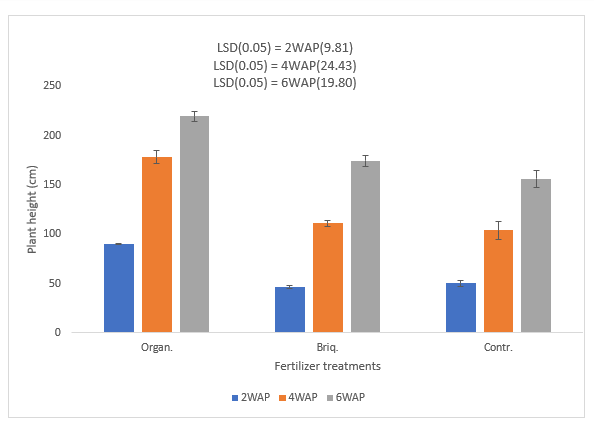
Figure 02: Effect of fertilizer treatment on plant height
At 2nd, 4th and 6th weeks after planting (WAP), the plant heights were taken. There were significant differences in the plant heights (P <.001) (Figure 2) with respect to the fertilizer treatments. However, the organic fertilizer (poultry manure) had the highest plant height, whilst the Control treatment lagged the fertilizer treatments in plant height. The variety and the interaction effect had no significant difference in plant height.
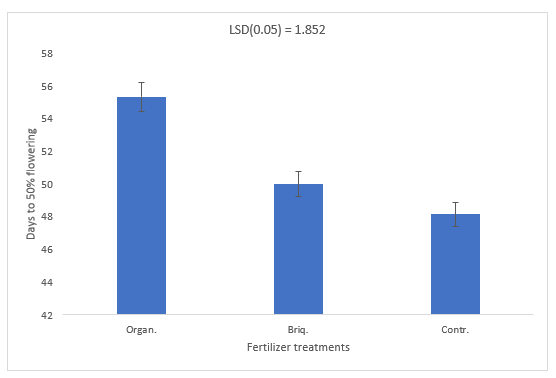
Figure 03: Effect of fertilizer treatments on days to 50 % flowering.
The fertilizer treatments showed significant difference on earliness to flowering (P <.001), whilst the varieties and the interaction effects did not show significant effects on earliness to flowering. On average, it took 50 days for the plants to flower (Figure 03).
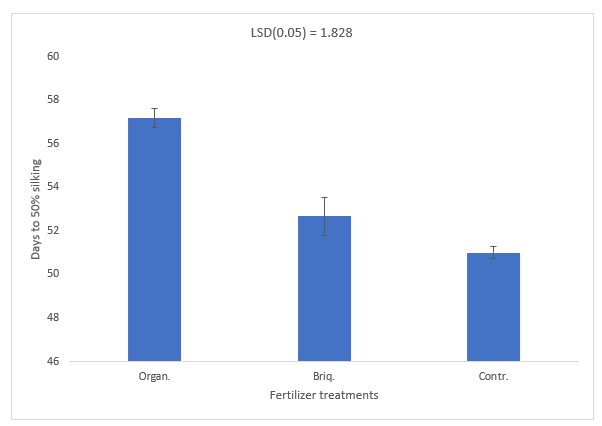
Figure 04: Effect of fertilizer treatments on days to 50 % silking.
The fertilizer treatment had significantly affected number of days to 50 % silking (P <.001) (Figure 4), but the varieties and the interaction effects did not show any significantly affect number of days to 50 % silking. On average it took 57 days for the plant to silk.
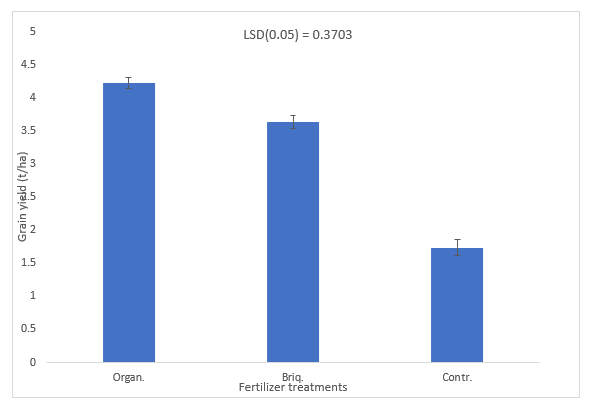
Figure 05: Effect of fertilizer treatments on grain yield of maize.
The fertilizer treatments had significant effect on the grain yield of maize (P <.001) (Figure 5). The grain yield from the organic treatment recorded the highest and the control lagged. Though all the fertilizer treatments were significantly different from each other, the difference between the control and the other two treatments was much higher than the difference between organic fertilizer treatment and that of the briquettes NPK fertilizer treatment. Both variety and the interaction effects did not show any significant differences.
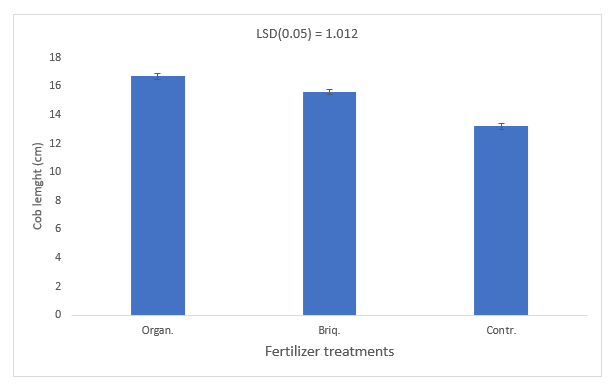
Figure 06: Effects of fertilizer treatments on cob length.
The fertilizer treatments had significant difference (P <.001) on the cob length (Figure 6). This was taken after harvest. The organic fertilizer treatment recorded the highest whiles the control recorded the least. The varieties (Abontem and Bihilifa) and the interaction effect (Fertilizer and variety) did not show any significant differences.
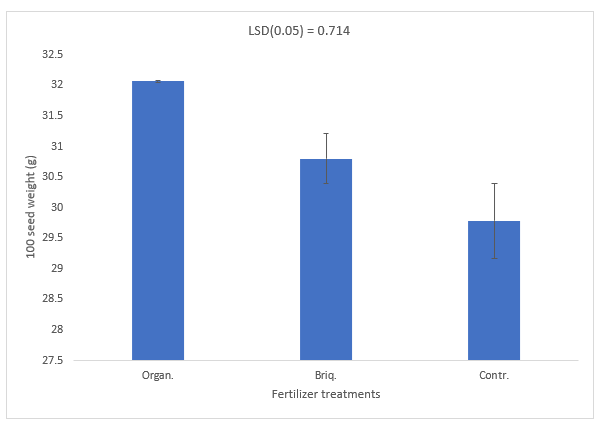
Figure 07: Effects of fertilizer treatments on 100-seed weight
There was significant difference in 100-seed weight (P <.001) in terms of fertilizer treatments (Figure 07). Organic fertilizer treatments recording the highest while control records the least. The difference between the organic treatment and the briquettes was higher than the difference between the briquettes and control. The organic manure supplying the highest N rate did better than the other treatments in terms of LAI. This agrees with the findings of [25] who reported that, higher rate of nitrogen promote LAI during vegetative development and help maintain functional Leaf Area during the growth period. Organic manure supplied higher N and its slow decomposition rate and increase in soil microorganism activities also reduces N loss thereby making more N available to the plant for vegetative growth as compared to briquettes NPK. It can be suggested that loss of nitrogen through leaching or volatilization was lesser in briquettes NPK fertilizer treatment, [26] reported that 70 % of nitrogen is lost during nitrification and denitrification processes through nitrate leaching and nitrous oxide (N2O) emission in to the environment most especially under humid conditions. Different types of fertilizer in the treatments did influence the height of maize plants. Organic manure having more plant available nitrogen and makes soil conditions favourable for microbial activities to produce more nutrients. This agrees with [27] who reported that increasing nitrogen level has a significant effect of increasing the height of maize plant. The results obtained from the experiment indicated that the treatments affect earliness to flower. This support Agriculture Research Wing (ARW) which reported that higher rate of application of nitrogen can hasten early flowering and silking. An author [28] has also reported that nitrogen limiting conditions causes delay in silking. On the average, it took 50 days for half of the plants to flower and 57 days to silk. The result obtained from this study showed that the application of organic manure and inorganic NPK briquettes fertilizer gave different grain yield. Higher grain yield was obtained with the use organic manure. These findings agree with the findings [29,30] who indicated that nitrogen help to improve functional of kennel during grain filling and influence the number of developing kennels. An author [31] concluded that the supply of nitrogen in maize production helps to achieve high yield and good grain quality. Many studies have also demonstrated that application of manure will produce crop yields equivalent or superior to those obtained with chemical fertilizers [32,33]. Crop quality has also been improved by manure application [34]. The organic manure and the NPK briquettes both had some amount of NPK in them, but the organic treatment yielded more than the NPK briquettes. The NPK briquettes was also higher as compare to the control treatment. The sterling performance of organic manure over the NPK briquettes demonstrates the importance to soil microorganisms’ activities and sustainable residual effect on the soil, though NPK briquettes due to its slow release of nutrients to the growing plant helps in its performance. From the results, the fertilizer treatments affect the length of the cob with the organic manure recording the highest cob length, whilst control recorded the least. This shows that, there were more available nutrients in the organic treatments than the others which results in bigger and longer cobs than those treatments. The results showed that, fertilizer treatments affect the 100-seed weight. The organic fertilizer treatment recorded the highest, whilst control lagged. More nutrients in organic fertilizer treatments resulted in bigger and heavy seeds or grains than the other treatments.
- CONCLUSION
One-time application of briquetted NPK reduces cost of production and gives some considerably good yield, the cost of acquisition and application are higher as compare to the organic manure and the yield of the organic manure was higher than that of the NPK briquettes fertilizer. Nutrients provided by organic manure were enough to give better yield. The NPK briquettes however had a considerable good yield, but not as compare to the organic fertilizer treatment. The result obtained from this study showed that the application of organic manure and inorganic NPK briquettes fertilizer gave different grain yield. Higher grain yield was obtained with the use organic manure. The organic manure and the NPK briquettes both had some amount of NPK in them, but the organic treatment yielded more than the NPK briquettes. The NPK briquettes was also higher as compare to the control treatment. The sterling performance of organic manure over the NPK briquettes demonstrates the importance to soil microorganisms’ activities and sustainable residual effect on the soil, though NPK briquettes due to its slow release of nutrients to the growing plant helps in its performance. From the results, the fertilizer treatments affect the length of the cob with the organic manure recording the highest cob length, whilst control recorded the least. This shows that, there were more available nutrients in the organic treatments than the others which results in bigger and longer cobs than those treatments. The results showed that, fertilizer treatments affect the 100-seed weight. The organic fertilizer treatment recorded the highest, whilst control lagged. More nutrients in organic fertilizer treatments resulted in bigger and heavy seeds or grains than the other treatments. The fertilizer treatments consisted of organic manure (poultry manure) and NPK briquette both applied once, together with control (no fertilizer). Abontem and Bihilifa yellow maize varieties was used as planting materials. The fertilizer treatments had significant difference effect on the leaf area index, the organic fertilizer (poultry manure) recorded the highest leaf area index, whiles the control recorded lowest. There were significant differences in the plant heights with respect to the fertilizer treatments. However, the organic fertilizer (poultry manure) had the highest plant height, whilst the Control treatment lagged in the fertilizer treatments in plant height. The grain yield from the organic treatment recorded the highest and the control lagged. It is recommended that farmers should adopt use of organic manure in the production of yellow maize, as it reduces cost of production and as well gives higher economic yield as compared to the briquettes NPK fertilizer and MOFA and other Agricultural agencies should vigorously work together to promote the use of organic manure.
REFERENCES
- Adediran, J. A. and Banjoko, V. A. (1995). Response of maize to N, P and K fertilizers in the savanna zone of Nigeria. Commun. Soil Sci. Plant Anal., 26, 593 – 606.
- Adjetey, J. A. (1994). Maize physiology and growth requirements. Crops Research Institute (CRI) Management Guide 19. Kumasi. p 22.
- Adu, S. V. (1992). Soils of the Kumasi, Ashanti Region, Ghana. Soil Research Institute (Council for Scientific and Industrial Research). Memoir No. 8.
- Baanante, C. A., Thompson, T., Acheampong, K., Rhodes, E. R., Pouzet, D. and Opoku, S. (1992). Fertilizer use and agricultural development in the Ashanti Region of Ghana. An analysis of farm survey data, IFDC, Muscle Shoals A1. USA.
- Badiane, O. and Delgado, C. L. (1995). A 2020 vision for food, agriculture and the environment, Discussion Paper 4. International Food Policy Research Institute, Washington, DC.
- Badr, M. M. and Authman, L. (2006). Effect of plant density, organic manure, biological and mineral nitrogen fertilizers on maize growth, yield and soil fertility. Annual Agricultural Science, 44, 75 – 88.
- Badu-Apraku, B., Fakorede, M. A. B., Menkir, A. and Sanogo, D. (2012). Conduct and management of maize field trials. IITA, Ibadan, Nigeria. 59 pp
- Baldwin, C. S. (1975). Manure as a fertilizer. Ridgetown College of Agric. Technology, Ridgetown. Bandel, V. A., Shaffeur, C. S. and McClurge, C. A. (1972). Poultry manure – A valuable fertilizer. Univ. of Maryland Coop. Ext. Service. Factsheet 39.
- Banful, A. B. (2009). Operational Details of the 2008 Fertilizer Subsidy in Ghana – Preliminary Report. Washington, D. C., International Food Policy Research Institute.
- Bationo, A. and Mokwunye, A. U. (1992). Role of manures and crop residue in alleviating soil fertility constraints to crop production: With special reference to the Sahelian and Soudanian zones of West Africa. Fertilizer Research, 29, 217 – 225.
- (1996). Integrated animal waste management. Task Force Report. No. 128. Council for Agricultural Science and Technology. Ames. Iowa.
- Chand, S., Anwar, M. and Patra, D. D. (2006). Influence of long-term application of organic and inorganic fertilizer to build up soil fertility and nutrient uptake in mint mustard cropping sequence. Communications in Soil Science and Plant Analysis, 37, 63 – 76. Supply system on soil quality restoration in a red and laterite soil. Archives of Agronomy and Soil Science, 49, 631 – 637.
- Eicher, C. K. (1982). Facing up to Africa’s food crisis. Foreign Affairs ,61(1), 154 – 174.
- Elings, A. (2000). Estimation of Leaf Area in Tropical Maize. Agronomy Journal, 92, 436 – 444.
- Endaie, B. and Waines, J. G. (1993). Variation in water use efficiency and its components in wheat: I. Well-watered pot experiment. Crop Science, 33, 294 – 299.
- Hageman, R. H., Bellow, F. E. (1984). The role of nitrogen in the productivity of corn. In: Annual Corn and Sorghum Research Conference, Chicago. Proceedings. Washington: American Seed Trade Association, pp. 145 – 155.
- Harris, P. J. C., Allison, M., Smith, G., Kindness, H. M. and Kelly, J. (2001). The Potential Use of Waste-stream Products for Soil Amelioration in Peri-urban Interface Agricultural Production Systems. In: Waste Composting for Urban and Peri-urban Agriculture (eds P. Drechsel and D. Kunze) by IWMI and FAO.
- (2007). Mitigating poverty and environmental degradation through nutrient management in South Asia. IFDC Report. International Fertilizer Development Centre.
- (1999). A strategic Framework for African Agricultural Input Supply System Development. IFDC T-63, USA.
- (2004). Annual Report, 2003 – 2004. International Food Policy Research Institute (IFPRI): Washington, DC, USA, p. 74.
- IITA [International Institute of Tropical Agriculture]. (1991). Annual Report (1990). Nigeria: IITA Ibadan. 64.
- Islam, M. S., Rahman, F. and Hossian, A. T. M. S. (2011). Effect of NPK Briquette on Rice (Oryzea sativa) in Tidal flood Ecosysterm. The Agriculturists, 9, 32 – 43.
- Jones, R. J., Schreiber, B. M. N. and Roessler, J. A. (1998). Kernel sink capacity in maize genotypic and maternal regulation. Crop Science, pp. 301 – 306.
- Kadam, J. R. and Sahane, J. S. (2001). Studies on water use efficiency and yield of tomato as 546 Kasetsart, J. (Nat. Sci.) 49(4) influenced by NPK fertilizer briquette. Agri. Univ. J. Maharashtra, 26, 231 – 233.
- Kandil, E. E. (2013). Response of Some Maize Hybrids (Zea mays L.) to Different Levels of Nitrogenous Fertilization. Journal of Applied Sciences Research, 9(3), 1902 – 1908.
- Kapoor, V., Singh, U., Patil, S. K., Magre, H., Shrivastava, L. K., Mishra, V. N., Das, R. O., Samadhiya, V. K., Sanabria, J. and Diamond, R. (2008). Rice Growth, Grain Yield and Floodwater Nutrient Dynamics as Affected by Nutrient Placement Method and Rate. Agronomy Journal, 100(3), 526 – 563.
- Leonard, D. (1986). Soil, Crop and Fertilizer Use: A Field Manual for Development Workers. Under contract with Peace Corps. 4th edition revised and expanded. United State Peace Corps. Information collection and exchange.
- Ma, B. L., Dwyer, L. M. and Gregorich, E. G. (1999). Soil nitrogen amendment effects on nitrogen uptake and grain yield of maize. J., 9, 650 – 656.
- Mccullough, D. E., Aguilera, A. and Tollenaar, M. (1994). N uptake, N partitioning, and photosynthetic N-use efficiency of an old and a new maize hybrid. Canadian Journal of Plant Science, 74, 479 – 484.
- Morris, M. L. (2001). CIMMYT 1999 – 2000 World maize Facts and Trends. Meeting World Maize Needs: Technical Opportunities and Priorities for the Public-Sector Study. 25 – 34. In: P.L. Pingali (ed.). Mexico, D. F. CIMMYT, 25 – 27.
- Oad, F. C., Buriro, U. A. and Agha, S. K. (2004). Effect of organic and inorganic fertilizer application on maize fodder production. Asian J. Plant Sci., 3(3), 375 – 377.
- Obi, M. E. and Ebo, P. O. (1995). The effects of different application rates of organic and inorganic fertilizers on soil physical properties and maize production in a severely degraded ultisol in southern Nigeria. Bioresource Technol., 51(2-3), 117 – 123.
- Prabhu, L. P. and Shivaji, P. (2000). Meeting world maize need: technological opportunities and priorities for public sector. Agronomy Journal, 85, 341 – 347.
- Qureshi, J. N. (1991). The cumulative effects of N–P fertilizers, manure and crop residues on maize and bean yields and some soil chemical properties at Kabete. p. 160 – 167. In: Recent advances in KARI’S research programmes. Kenya Agricultural Res. Institute, Nairobi, Kenya. Ramamurthy, V. and Shivashankar, K. 1996. Residual effect of organic matter and phosphorus on growth, yield and quality of maize (Zea mays). Indian Journal of Agronomy, 41, 247 – 251.
- Zinselmeier C., Westgate, M. E. and Jones, R. J. (1995). Kernel set at low water potential does not vary with source/sink ratio in maize. Crop Sci. 35, 158 – 163.
Publication History
Submitted: April 05, 2025
Accepted: April 20, 2025
Published: April 31, 2025
Identification
D-0581
DOI
https://doi.org/10.71017/djnsi.4.4.d-0581
Citation
Abukari Fuseini (2025). Response of Two Yellow Maize Varieties on Yield & Yield Components to the Application of Briquettes NPK Fertilizer and Organic Manure (Poultry Manure). Dinkum Journal of Natural & Scientific Innovations, 4(04):210-219.
Copyright
© 2025 The Author(s).