

Publication History
Submitted: July 23, 2025
Accepted: July 11, 2025
Published: August 31, 2025
Identification
D-0508
DOI
https://doi.org/10.71017/djsi.4.08.d-0508
Citation
Salifu Yakubu (2025).Access to Community-Based Health Planning and Services in the East MAMPRUSI Municipality, North-East Region, Ghana. Dinkum Journal of Social Innovations, 4(08):497-516.
Copyright
© 2025 The Author(s).

497-516
Access to Community-Based Health Planning and Services in the East MAMPRUSI Municipality, North-East Region, GhanaOriginal Article
Salifu Yakubu 1*
- Department of Social Sciences, Gambaga College of Education, Gambaga, Ghana.
* Correspondence: yakubusalifu346@gmail.com
Abstract: The Community-Based Health Planning and Services (CHPS) Program is a government funded project with the mission of refocusing and relocating essential medical care from sub-district medical institutions to readily available neighborhood locations. The study examined the availability, affordability, and acceptability of CHPS compounds in the East MAMPRUSI Municipality. A cross-sectional mixed design and a sample of 376 respondents from five selected communities in the East MAMPRUSI Municipality were considered for the study. The communities include: Gbangu, Nagboo, Wunduwa, Namangu and Tuuni. All the CHPS compounds have health personnel actively working in all five communities, and Nagboo had the highest number (133) of personnel. However, Namangu, Tuuni, and Wunduwa had reports of inadequate health personnel. The services offered at the CHPS property were preferred by a sizeable number of respondents (104) in Nagboo as compared to conventional or herbal health treatments. All the communities in the municipality have an average travel time of one hour or eight kilometers to the nearest CHPS facility. Community members largely prefer to walk to the various health facilities, with few using motorcycles. Medical and basic equipment shortages were reported in all the study communities. In addition, malaria and fever were the most frequently reported illnesses in CHPS compounds. Some CHPS compounds reported cases of understaffed in the municipality. Notwithstanding, respondents across the community preferred the services provided at the CHPS compounds. Ghana Health Services and the East MAMPRUSI Health Directorate should embark on training public health nurses and posting them fairly to affected communities who are understaffed, in addition to a regular supply of medications and supplies.
Keywords: community-based, health planning, services, medications, Ghana
- INTRODUCTION
According to [1], CHPS is a strategy developed in Ghana that emphasizes community ownership, participation, and sustainability in order to improve access to essential medical care. At CHPS facilities, which are meant to be community-based and staffed by qualified community health officers, a range of fundamental healthcare services are provided, including preventive care, health promotion, and disease management. Access to community-based health planning and services is crucial to promoting equitable and effective healthcare delivery. In order to address the healthcare needs of local inhabitants, a number of projects, initiatives, programs, and instruments fall under the category of community-based health planning and services, according to [2]. Typically, community health centers, primary care offices, outreach programs, and other neighborhood-based organizations offer these services. Access to community-based health planning and services is a major issue because of its potential impact on population health outcomes and health disparities. The ability of people to swiftly acquire and utilize the healthcare services they demand is referred to as access, according to the World Health Organization [WHO] (2010). It is influenced by a wide range of factors, including demographics, socioeconomic factors, geographic location, and the availability and design of services [3]. How many groups can access community-based health planning and services is influenced by contextual factors such as socioeconomic position, cultural norms, and the design of the health system [4]. Numerous studies [5] have shown a correlation between socioeconomic statuses—which includes income, education, and occupation—and access to healthcare services. Cultural norms and beliefs, according to [6], also affect how people act when seeking medical care and the kind of care they favor. Supply-side factors, such as the accessibility and structure of services, have a significant impact on community-based health planning and services. A number of variables, including personnel availability, service capacity, the presence and location of healthcare facilities, and quality assurance methods, have an impact on the accessibility and capacity of services within communities [7]. It may be challenging to obtain essential care due to poor service accessibility, particularly in underprivileged locations [8]. Variables at the individual level, such as health literacy, awareness of and comfort with available resources, and cultural views, might have an impact on the demand for community-based health planning and services. Low health literacy can make it challenging for individuals to understand what services are offered, what their medical needs are, as well as how to use the health care system [9]. Authors [10] assert that social norms and beliefs may affect how people perceive their need for services and readiness to accept assistance. Intermediary elements that affect access to community-based health planning and services include transportation accessibility, health insurance coverage, communication and language barriers, and social support networks [11]. Lack of insurance or insufficient coverage may make it more difficult to obtain affordable care [12]. Transportation problems, especially in remote or rural areas, may make it more difficult for people to get healthcare services. Due to language and communication issues, healthcare professionals and patients with limited English proficiency may find it challenging to communicate successfully [13]. Furthermore, by providing assistance and guidance, social support networks can enhance people’s access to care [14]. Access to community-based health planning and services can have positive effects on many different aspects of health, including individual health outcomes, community health outcomes, and health inequalities, patterns of healthcare utilization, cost-effectiveness, and overall health system performance [15]. Accessibility can lead to better health outcomes, reduced health inequities, increased use of preventative treatment, and more efficient use of healthcare resources [16]. Given the significance of CHPS in improving community health outcomes, it is imperative to look into the factors that influence access to these services and develop strategies to improve access. The goal of the thesis is to close these knowledge gaps and contribute to the development of evidence-based recommendations and policies that can overcome barriers and improve access to community-based health planning and services. According to the World Health Organization (WHO), having access to high-quality healthcare is a basic human right and is required for both the general welfare of individuals and communities. However, despite significant advancements in healthcare systems, there are still a lot of problems, particularly when trying to access community-based health planning and services. In many instances, differences in health outcomes and pre-existing social and economic inequalities are made worse by unequal access to community-based health planning and services. These inequalities are especially noticeable in marginalized populations, like low-income individuals, persons who identify as a racial or ethnic minority, and residents of rural areas [17]. Community-based health planning and services are not more broadly accessible for a variety of reasons. One major factor is the dearth of primary care physicians, nurses, and other allied health workers in community settings [4]. The deficit typically results from maldistribution since healthcare workers are disproportionately concentrated in metropolitan areas rather than assisting rural and underserved communities [8]. Financial limitations severely restrict access to community-based health planning and services. Due to insufficient health insurance coverage, many people find it challenging to pay for essential medical procedures [14]. The issue is made worse by the absence of affordable transportation options and easily accessible healthcare facilities, especially in rural and isolated areas. The population is also restricted in their access due to a shortage of healthcare services that are linguistically and culturally responsive [10]. Language barriers, cultural disparities, and biases within the healthcare industry can negatively impact medical results through poor communication, erroneous diagnosis, and inadequate care [16]. In conclusion, access to community-based health planning and services is a critical problem because gaps still persist in poor communities and marginalized people. The problem is made worse by a dearth of trained medical professionals, budgetary limitations, a shoddy healthcare system, and linguistic and cultural barriers. It is critical to address these issues in order to encourage equal access to community-based health planning and services, which would eventually enhance health outcomes and reduce health disparities. How accessible are CHPS Compounds to people living in the East MAMPRUSI Municipality in Ghana’s northeast?
- MATERIALS AND METHODS
The East MAMPRUSI District is located in the northernmost part of the region.
Table 01: Health Facilities
| Organization Unit | CHPS zones | Clinic | District Hospital | Health Centre | Total |
| Gambaga Sub-District | 5 | 0 | 0 | 1 | 6 |
| Gbintiri Sub-District | 2 | 0 | 0 | 1 | 3 |
| Langbinsi Sub-District | 5 | 1 | 0 | 0 | 6 |
| Nalerigu Sub-District | 11 | 0 | 1 | 0 | 12 |
| Sakogu Sub-District | 7 | 0 | 0 | 1 | 8 |
| East Mamprusi | 30 | 1 | 1 | 3 | 35 |
Table 02: Most Common Diseases
| 2015 | 2016 | 2017 | |||
| Disease/condition | % | Disease /
Condition |
% | Disease / Condition | % |
| Malaria | 17.7 | Malaria | 13.6 | ARI | 16.5 |
| ARTI | 10.7 | ARTI | 12.3 | Malaria | 14.8 |
| Diarrhea | 7.0 | Hypertension | 0.5 | Diarrhea | 10.4 |
| Rheumatism | 2.4 | AUTI | 0.6 | Rheum. & joint pains | 3.8 |
| Skin diseases | 1.9 | STI | 0.7 | Skin diseases | 3.0 |
| Anemia | 1.6 | Eye infection | 1.0 | Anemia | 2.7 |
| Hypertension | 1.5 | Anemia | 1.8 | Ulcers | 1.6 |
| Ulcer | 1.2 | Skin diseases | 2.8 | Hypertension | 1.3 |
| AUTI | 0.9 | Rheumatism | 3.9 | UTI | 1.0 |
| Eye infection | 0.8 | Diarrhea | 9.1 | Acute eye inf. | 0.8 |
| Total | 45.7 | Total | 46.3 | Total | 55.9 |
Table 03: Top Ten Causes of Consultation
| 2015 | 2016 | 2017 | |||
| Disease/condition | % | Disease/condition | % | Disease/condition | % |
| Malaria | 17.7 | Malaria | 13.6 | ARI | 16.5 |
| ARTI | 10.7 | ARTI | 12.3 | Malaria | 14.8 |
| Diarrhea | 7.0 | Hypertension | 0.5 | Diarrhea | 10.4 |
| Rheumatism | 2.4 | AUTI | 0.6 | Rheum. & joint pains | 3.8 |
| Skin diseases | 1.9 | STI | 0.7 | Skin diseases | 3.0 |
| Anemia | 1.6 | Eye infection | 1.0 | Anemia | 2.7 |
| Hypertension | 1.5 | Anemia | 1.8 | Ulcers | 1.6 |
| Ulcer | 1.2 | Skin diseases | 2.8 | Hypertension | 1.3 |
| AUTI | 0.9 | Rheumatism | 3.9 | UTI | 1.0 |
| Eye infection | 0.8 | Diarrhea | 9.1 | Acute eye inf. | 0.8 |
| Total | 45.7 | Total | 46.3 | Total | 55.9 |
The study used is explanatory-sequential technique or design, with the goal of correlating qualitative information with the quantitative findings. The results of the quantitative analysis of the data were later explained and understood using the qualitative data. A generic qual design was frequently used in explanatory methods in the study because the QUAN design was the focus. Data collection refers to obtaining relevant information regarding the major ideas of the hypothesis or research questions for the purpose of answering them [18]. The study employed both primary and secondary sources of data collection. Both quantitative and qualitative methodologies were used in the main data sources. Regarding the dimensions of access to CHPS compounds, qualitative information was gathered through observation and interviews with locals and CHPS personnel. Structurally designed questionnaires were used to gather quantitative data. It concentrated on the distribution of questionnaires and interviews that assist in gathering pertinent data for the study. For the study, 370 questionnaires were distributed throughout the municipality. Each question addresses one or more facets of the research issue or study purpose. The questionnaires were administered to community inhabitants in the five CHPS areas. These questionnaires were used to collect quantitative data on the dimensions of access to CHPS compounds. Any person who can offer thorough information and opinion based on his or her understanding of a certain topic or subject of investigation is referred to as a key informant. In-depth qualitative information that can be described and cross-examined with quantitative data is sought after in a key informant interview. Triangulation was used to accomplish that. In the situation, the interviewer must maintain objectivity and refrain from asking subject matter-specific or prejudicial questions. The allocated health center personnel with an official from the Municipal office were engaged in a personal interaction with the aid of structured interviewed questions. The tool collected qualitative data and it helped to verify and also clarify the information derived from the inhabitants in relation to access of CHPS Compounds provision using the questionnaire. These categories of people were engaged because they have adequate knowledge and experience in respect to the operation of CHPS. An approach to gathering data called observation uses vision as its primary tool. The secondary data was received from the MOH Annual Report from the Municipal Assembly, documents and information from the District Health Service, books, journals, and data from Municipal CHPS Compounds.
Table 04: Population of communities under study
| S/N | COMMUNITY NAME | POPULATION |
| 1 | Nagboo | 6,072 |
| 2 | Gbangu | 3453 |
| 3 | Wunduwa | 3444 |
| 4 | Namangu | 1197 |
| 5 | Tuuni | 1875 |
| Total | 16,041 |
The Municipal Hospital and a hub for referrals to other healthcare institutions at the national and community levels is the Baptish Medical Centre, which is situated in the Regional Capital (Nalerigu). The Municipality has four (4) health centers and thirty (30) CHPs that are operational. The required sample size was calculated by taking into account the population size and the level of precision that was sought (within 5%, 3%, or 1% at the 95% confidence level), as well as the sample size needed to carry out the study based on a sample size of the five (5) CHPS zone communities and a sampling error of 5% with a 95% confidence level. The study’s sample size was determined to be 376 respondents. The sample size was calculated using the below equation:
where:
- is the sample size for each community j
- is the population for each community j
- is the total population size
- n is the total sample size.
Table 05: Community sample size based on the population and sex of respondents.
| S/N | Community Name | Population N (%) | Sub Sample | Male N (%) | Sub Sample | Female N (%) | Sub Sample |
| 1 | Nagboo | 6,072 | 140 | 2,977 | 69 | 3,095 | 71 |
| 2 | Gbangu | 3453 | 80 | 1,706 | 40 | 1,747 | 40 |
| 3 | Wunduwa | 3444 | 79 | 1,647 | 38 | 1,797 | 41 |
| 4 | Namangu | 1197 | 28 | 574 | 13 | 623 | 15 |
| 5 | Tuuni | 1875 | 43 | 946 | 22 | 929 | 21 |
| Total | 16,041 | 370 | 7,850 | 182 | 8,191 | 188 |
In sampling, a subset of the population is chosen to represent the total population. Both probability and non-probability sampling methods were used in the investigation. Simple random sampling and stratified proportionate sampling were used for probability sampling, and purposive sampling was utilized for non-probability sampling. Descriptive statistics for quantitative data and descriptive analysis for qualitative data were used in the study to evaluate community access to CHPS Compounds. A computer was used to input and analyze the quantitative information from the surveys using SPSS and Microsoft Office Excel. The participants in the study—opinion leaders, chiefs, and other stakeholders—were sought for their permission.
- RESULTS AND DISCUSSION
Table 06: Distribution of socio-demographic characteristics
| Characteristics | N (%) | Community | |||||||||||||
| Gbangu | Nagboo | Namangu | Tuuni | Wunduwa | |||||||||||
| N | % | N | % | N | % | N | % | N | % | ||||||
| Sex Male |
182(49%) |
40 |
50 |
69 |
49 |
13 |
46 |
22 |
51 |
38 |
48 |
||||
| Female | 188(51) | 40 | 50 | 71 | 51 | 15 | 54 | 21 | 49 | 41 | 52 | ||||
| Age
12-25 |
96(26%) | 22 | 27.5 | 30 | 21 | 7 | 25 | 12 | 28 | 25 | 32 | ||||
| 26-40 | 227(61%) | 48 | 60 | 103 | 74 | 16 | 57 | 23 | 53 | 37 | 47 | ||||
| 41-60 and above | 47(13%) | 10 | 12.5 | 7 | 5 | 5 | 18 | 8 | 19 | 17 | 21 | ||||
| Marital Status: Never Married |
57(15.4%) |
9 |
11 |
40 |
29 |
1 |
4 |
6 |
14 |
1 |
1 |
||||
| Married | 290(78.4%) | 70 | 88 | 83 | 59 | 27 | 96 | 35 | 81 | 75 | 95 | ||||
| Separated / Divorce | 23(6.2%) | 1 | 1 | 17 | 12 | – | – | 2 | 5 | 3 | 4 | ||||
| Educational Level: Primary/JHS/Middle | 106(29%) | 25 | 31 | 39 | 28 | 9 | 32 | 16 | 37 | 17 | 22 | ||||
| Secondary/ Voc/Tec Education |
61(16%) |
11 |
14 |
33 |
24 |
7 |
25 |
2 |
5 |
8 |
10 |
||||
| Tertiary Education | 32(9%) | 5 | 6 | 22 | 16 | 2 | 7 | 2 | 5 | 1 | 1 | ||||
| No Education | 171(46%) | 39 | 49 | 46 | 33 | 10 | 36 | 23 | 53 | 53 | 67 | ||||
| Employment Status
Yes |
152(41%) | 42 | 52.5 | 56 | 40 | 6 | 21 | 19 | 44 | 29 | 37 | ||||
| No | 218(59%) | 38 | 47.5 | 84 | 60 | 22 | 79 | 24 | 56 | 50 | 63 | ||||
| Religion Christianity |
50(14%) | 17 | 21 | 23 | 16 | 6 | 21 | 4 | 9 | – | – | ||||
| Islamic | 267(72%) | 58 | 73 | 84 | 60 | 18 | 64 | 29 | 67 | 78 | 99 | ||||
| Traditionalist | 53(14%) | 5 | 6 | 33 | 24 | 4 | 14 | 10 | 23 | 1 | 1 | ||||
| Ethnicity Mamprusi |
279(75%) | 75 | 94 | 98 | 70 | 27 | 96 | 34 | 79 | 45 | 57 | ||||
| Bimoba | 4(1%) | 1 | 1 | 3 | 2 | – | – | – | – | – | – | ||||
| Konkomba | 13(4%) | 1 | 1 | 10 | 7 | – | 2 | 5 | 0 | ||||||
| Moshi | 43(12%) | 3 | 4 | 13 | 9 | 1 | 4 | 7 | 16 | 19 | 24 | ||||
| Others | 31(8%) | – | – | 16 | 11 | – | – | – | – | 15 | 19 | ||||
| Occupation Farming |
260(70%) | 59 | 74 | 97 | 69 | 21 | 75 | 29 | 67 | 54 | 68 | ||||
| Self-employed/Others | 85(23%) | 21 | 26 | 32 | 23 | 4 | 14 | 12 | 28 | 16 | 20 | ||||
| Artisan | 14(4%) | – | – | 7 | 5 | 1 | 4 | 1 | 2 | 5 | 6 | ||||
| Service/Industry | 11(3%) | – | – | 4 | 3 | 2 | 7 | 1 | 2 | 4 | 5 | ||||
| Size of Household
One |
20(6%) | 16 | 20 | – | – | – | – | 3 | 7 | 1 | 1 | ||||
| Two | 55(15%) | 21 | 26 | 8 | 6 | 2 | 7 | 21 | 49 | 3 | 4 | ||||
| Three | 67(18%) | 11 | 14 | 26 | 18 | 7 | 25 | 8 | 18.6 | 15 | 19 | ||||
| Four | 46(12%) | 7 | 9 | 14 | 10 | 8 | 29 | 6 | 14 | 11 | 14 | ||||
| Five and above | 182(49%) | 25 | 31 | 92 | 66 | 11 | 39 | 5 | 11.6 | 49 | 62 | ||||
| Residency Status
Permanent |
353(95%)
|
78 | 97.5 | 130 | 93 | 28
|
100 | 40 | 93 | 77 | 98 | ||||
| Seasonal | 11(3%) | 2 | 2.5 | 6 | 4 | – | – | 2 | 5 | 1 | 1 | ||||
| Occasional | 6(2%) | – | – | 4 | 3 | – | – | 1 | 2 | 1 | 1 | ||||
The study revealed a relatively balanced gender distribution, with 51% female and 49% male respondents. The finding aligns with previous studies conducted in similar communities [19]. The equal representation of genders suggests that both men and women have a presence and active participation within these communities. The majority of respondents (46%) reported having no formal education, highlighting a potential challenge in accessing educational opportunities in their communities. The finding is consistent with earlier studies that have identified limited educational infrastructure and resources in rural areas [20]. It underscores the need for targeted interventions to improve access to education and promote literacy among community members. Farming emerged as the dominant occupation, with 70% of respondents engaged in agricultural activities. Studies have demonstrated that individuals with higher income levels tend to have better access to healthcare services and are more likely to utilize them compared to those with lower incomes [21]. Additionally, research has indicated that self-employed individuals may face unique challenges in accessing healthcare due to limited employer-based health insurance coverage [22]. The prevalence of Islam as the dominant religion among the respondents (72%) corresponds with the historical and cultural context of the region. The finding is consistent with previous studies highlighting the influence of Islam in communities [23].
Table 07: Availability of CHPS compound systems
| Aspects of Dimensions | n | % |
| Presence of health professionals in the health facility | ||
| Yes | 341 | 92 |
| No | 29 | 8 |
| How the CHPS compound gets health personnel | ||
| Posting from Government | 363 | 98 |
| Volunteers from the community | 3 | 1 |
| Youth Employment Agency | 4 | 1 |
| Preferences for health facilities | ||
| Orthodox | 311 | 84 |
| Traditional | 59 | 16 |
| Duration of visit to CHPS compound | ||
| Weekly | 23 | 6 |
| Monthly | 130 | 35 |
| Annually | 167 | 45 |
| Others | 50 | 14 |
| Distance from home to nearest CHPS compound | ||
| 1 -100m | 117 | 32 |
| 101 -200m | 70 | 19 |
| 201- 300m | 76 | 20 |
| 301-400m | 44 | 12 |
| 401-500m | 29 | 8 |
| Above 500m | 34 | 9 |
| Means of transport to CHPS compound | ||
| Walking | 263 | 71 |
| Motor | 89 | 24 |
| Vehicle | 18 | 5 |
| Physical accessibility of CHPS compound | ||
| Yes | 353 | 95 |
| No | 17 | 5 |
| Illnesses presented at CHPS | ||
| Malaria & Fever | 176 | 33 |
| Stomach pains & Ulcer | 125 | 24 |
| Headache & Body Pain | 111 | 21 |
| Others | 114 | 22 |
| Type of services received from CHPS compound | ||
| Anti-natal services, | 15 | 4 |
| Delivery services | 7 | 2 |
| Post-natal services | 10 | 3 |
| Immunization services | 45 | 12 |
| Clinical services | 290 | 78 |
| Maintenance and promotion (nutrition) | 3 | 1 |
| Usage of services provided at CHPS compound | ||
| Yes | 347 | 94 |
| No | 23 | 6 |
| Travel out of CHPS zone for health care | ||
| Yes | 350 | 95 |
| No | 20 | 5 |
Table 08: How the CHPS compounds get health personnel by community
| How the CHPS compounds get health personnel | n (%) | Gbangu | Nagboo | Namangu | Tuuni | Wunduwa |
| n (%) | n (%) | n (%) | n (%) | n (%) | ||
| Posting from Government | 363(98) | 80(100) | 133(95) | 28(100) | 43(100) | 79(100) |
| Volunteers from the community | 3(1) | – | 3(2) | – | – | – |
| Youth Employment Agency | 4(1) | – | 4(3) | – | – | – |
| Total | 370(100) | 80 | 140 | 28 | 43 | 79 |
Table 09: Health facility/services patronized by respondents
| Heath Services | n (%) | Gbangu
n (%) |
Nagboo
n (%) |
Namangu
n (%) |
Tuuni
n (%) |
Wunduwa
n (%) |
|
| Orthodox | 311(84) | 72(90) | 105(75) | 21(75) | 37(86) | 76(96) | |
| Traditional | 59(16) | 8(10) | 35(25) | 7(25) | 6(14) | 3(4) | |
| Total | 370(100) | 40(100) | 140(100) | 28(100) | 43(100) | 79(100) |
A study by [24] conducted in rural Ghana explored health-seeking behavior and preference for healthcare facilities among community members. The findings revealed a similar pattern, with a significant preference for orthodox health services over traditional medicine. The preference was attributed to factors such as perceived effectiveness, availability of modern healthcare infrastructure, and the influence of Western medicine in the region. In a study conducted by [25] in the Upper East Region of Ghana, the preference for orthodox health services was also observed. The authors highlighted the influence of educational attainment and socioeconomic status on health facility preferences, with individuals with higher education and socioeconomic status more likely to choose orthodox health services. These referenced studies support the findings of the current study, indicating a preference for orthodox health services over traditional medicine in various regions of Ghana. The factors influencing these preferences include awareness, accessibility, perceived effectiveness, cultural beliefs, education level, and socioeconomic status.
Table 10: Average Distance from home to the nearest healthcare facility
| Distance – Decay | n (%) | Gbangu
|
Nagboo
|
Namangu
|
Tuuni
|
Wunduwa
|
|
| 1 -100m | 117 (32) | 13 | 45 | 9 | 14 | 25 | |
| 101 -200m | 70 (19) | 8 | 27 | 5 | 8 | 15 | |
| 201- 300m | 76 (20) | 8 | 28 | 6 | 9 | 16 | |
| 301-400m | 44 (12) | 5 | 17 | 3 | 5 | 10 | |
| 401 500m | 29 (8) | 3 | 11 | 2 | 3 | 6 | |
| Above 500m | 34 (9) | 3 | 12 | 3 | 4 | 7 | |
| Total | 370(100) | 40(100) | 140(100) | 28(100) | 43(100) | 79(100) |
An author [26] discusses the distance-decay effect of geographical epidemiology, emphasizing the role of healthcare facility accessibility in the spatial distribution of diseases. They highlight that as the distance from healthcare facilities increases, individuals are less likely to seek timely medical attention, resulting in a higher burden of disease in areas with limited access.
Table 11: Means of Transport for CHPS compounds
| Means/Community | n (%) | Gbangu n (%) |
Nagboo n (%) |
Namangu n (%) |
Tuuni n (%) |
Wunduwa n (%) |
| Walking | 263(71) | 55(69) | 105(75) | 28(100) | 41(95) | 34(43) |
| Motor | 89(24) | 19(24) | 30(21) | – | 2(5) | 38(48) |
| Vehicle | 18(5) | 6(7) | 5(4) | – | – | 7(9) |
| Total | 370(100) | 40(100) | 140(100) | 28(100) | 43(100) | 79(100) |
An author [27] conducted an analysis of national survey data to examine the means of transport used by community members across different regions of the country. The study identified a shift in transportation patterns over time, with a gradual increase in motor vehicle usage. The change was attributed to improvements in road infrastructure, rising income levels, and changes in societal norms [28]. However, walking still remains a significant means of transport, particularly in rural and economically disadvantaged communities.
Table 12: Health facilities physically/geographically accessible
| Physical Accessibility | n (%) | Gbangu
n (%) |
Nagboo
n (%) |
Namangu
n (%) |
Tuuni
n (%) |
Wunduwa
n (%) |
| YES | 353(95) | 67(84) | 136(97) | 28(100) | 43(100) | 79(100) |
| NO | 17(5) | 13(16) | 4(3) | – | – | – |
| Total | 370(100) | 80(100) | 140(100) | 28(100) | 42(100) | 79(100) |
A study by [29] in Ghana to assess the accessibility of CHPS compounds in rural communities. The study found that the physical accessibility of CHPS compounds varied across different communities. Factors such as distance to the facility, availability of transportation, and road conditions influenced the perception of accessibility among community members. The finding aligns with the present study, which also identifies geographical accessibility as an important consideration for local residents.
Table 13: Facilities/equipment available at CHPS
| COMMUNITY | FACILITIES/EQUIPMENT |
| Gbangu | Salter Scale, Sphygmonometre, Thermometer, Weighing scale, Hand washing Apparatus, Registers, Vaccine Carriers, BP Apparatus, MUC Type, Fetoscope, Tape measure |
| Namamgu | Weighing Scales, Thermometer, Dressing Instruments, BP Apparatus, Vaccines, Examination bed, Refrigerator |
| Tuuni | Weighing scale, delivery bed, palpation bed |
| Wunduwa | Delivery set, Dressing set, Delivery bed, Thermometer, BP Apparatus, Vaccine Fridge, Vaccine Carrier, |
| Nagboo | RCH, BP Apparatus, RDT’s, Auto Clave, Weighing Scale, Sphygmomanometer, Thermometer, Tables, Chairs, Syringes, Drugs, Claim forms |
Table 14: Illnesses community members sent to CHPS compounds
| Illnesses presented at CHPS | n (%) | Gbangu
n (%) |
Nagboo
n (%) |
Namangu
n (%) |
Tuuni
n (%) |
Wunduwa
n (%) |
| Malaria & Fever | 176(33) | 38(40) | 58(37) | 20(47) | 14(33) | 46(24) |
| Stomach & Ulcer | 125(24) | 27(29) | 21(14) | 10(23) | 13(31) | 54(28) |
| Headache & Body Pain | 111(21) | 14(15) | 33(21) | 9(21) | 4(10) | 51(27) |
| Others | 114(22) | 15(16) | 44(28) | 4(9) | 11(26) | 40(21) |
| Total | 526(100) | 94(100) | 156(100) | 43(100) | 42(100) | 191(100) |
In the Navrongo experiment, which resulted in CHPS, CHOs offered immunization services, family planning, delivery supervision, prenatal and postnatal care, treatment of minor illnesses, and health education [30]. The Commune Health Center (CHC) services offered at that level in Vietnam’s lowest known health care level were “family planning, prenatal care, STI diagnosis or treatment excluding HIV, services for TB, services for malaria, NCDs management, and minor surgery.” [31]. These analyses are consistent with data obtained from the numerous CHPS officers in local towns and municipal offices.
Table 15: Accessing other healthcare facilities
| Other facilities | n (%) | Gbangu
n (%) |
Nagboo
n (%) |
Namangu
n (%) |
Tuuni
n (%) |
Wunduwa
n (%) |
|
| YES | 350(95) | 76(95) | 139(99) | 24(87) | 40(93) | 71(90) | |
| NO | 20(5) | 4(5) | 1(1) | 4(13) | 3(7) | 8(10) | |
| Total | 370(100) | 80(100) | 140(100) | 28(100) | 42(100) | 79(100) |
Table 16: Health service selection and socio-demographic factors.
| Characteristics | Health Service | ||
| Orthodox n (%) |
Traditional n (%) |
X² (p-value) | |
| Sex | |||
| Male | 154 | 28 | 0.084(0.772) |
| Female | 157 | 31 | |
| Marital Status | |||
| Never Married | 47 | 10 | 9.170(0.0570 |
| Married | 248 | 42 | |
| Separated / Divorce | 16 | 7 | |
| Educational Level | |||
| Primary /JHS /Middle Education | 93 | 13 | 11.915(0.018) |
| Secondary / Voc/Tec Education | 57 | 4 | |
| Tertiary Education | 22 | 10 | |
| No Education | 139 | 32 | |
| Employment Status | |||
| Yes | 129 | 23 | 0.128(0.721) |
| No | 182 | 36 | |
| Religion | |||
| Christianity | 44 | 6 | 15.897(0.001) |
| Islamic | 232 | 35 | |
| Traditionalist | 35 | 18 | |
| Ethnicity | |||
| Mamprusi | 231 | 48 | 9.506(0.050) |
| Bimoba | 4 | 0 | |
| Konkomba | 8 | 5 | |
| Moshi | 39 | 4 | |
| Others | 29 | 2 | |
| Size of Household | |||
| One | 19 | 1 | 4.164(0.384) |
| Two | 49 | 6 | |
| Three | 53 | 14 | |
| Four | 38 | 8 | |
| Five and above | 152 | 30 | |
In a study conducted in rural Nigeria, it was discovered that the cost of accessing health services per person rose linearly with distance. Another study in rural Nigeria found that in order to lower their transportation costs and the difficulty of accessing far-off healthcare services, rural residents tended to rely on self-medication and local traditional medicine [32].
Table 17: Availability indicators and socio-demographic characteristics.
| Availability Indicators | |||||||
| Socio- demographic |
Means of Transport | Physical Accessibility | |||||
| Walking | Motor | Vehicle | X² (p-value) | Yes | No | X² (p-value) | |
| Sex | |||||||
| Male | 128 | 45 | 9 | 0.100(0.951) | 168 | 14 | 7.841(0.005) |
| Female | 135 | 44 | 9 | 185 | 3 | ||
| Marital Status | |||||||
| Never Married | 50 | 6 | 1 | 34.668(0.000) | 55 | 2 | 3.763(0.439) |
| Married | 199 | 79 | 12 | 276 | 14 | ||
| Separated / Divorce | 14 | 4 | 5 | 22 | 1 | ||
| Educational Level | |||||||
| Primary/JHS/Middle Education | 89 | 15 | 2 | 17.114(0.029) | 101 | 5 | 5.689(0.224) |
| Secondary/ Voc /Tec Education |
43 | 16 | 2 | 58 | 3 | ||
| Tertiary Education | 20 | 8 | 4 | 28 | 4 | ||
| No Education | 111 | 50 | 10 | 166 | 5 | ||
| Religion | |||||||
| Christianity | 38 | 8 | 4 | 4.056(0.669) | 46 | 4 | 2.224(0.527) |
| Islamic | 185 | 70 | 12 | 255 | 12 | ||
| Traditionalist | 40 | 11 | 2 | 52 | 1 | ||
Table 18: Availability indicators and socio-demographic characteristics.
| Availability Indicators | ||
| Socio- demographic |
Means of Transport:
X² (p-value) |
Physical Accessibility:
X² (p-value) |
| Gbangu | ||
| Sex | 11.652(0.003) | 11.114(0.001) |
| Marital Status | 1.614(0.806) | 0.445(0.801) |
| Educational Level | 4.137(0.658) | 3.390(0.335) |
| Religion | 8.881(0.064) | 1.655(0.437) |
| Nagboo | ||
| Sex | 14.821(0.001) | 0.001(0.977) |
| Marital Status | 35.505(0.000) | 8.797(0.066) |
| Educational Level | 15.261(0.018) | 4.308(0.230) |
| Religion | 9.215(0.056) | 0.834(0.659) |
| Namangu | ||
| Sex | – | – |
| Marital Status | – | – |
| Educational Level | – | – |
| Religion | – | – |
| Tuuni | ||
| Sex | 0.001(0.973) | – |
| Marital Status | 9.821(0.007) | – |
| Educational Level | 20.451(0.000) | – |
| Religion | 1.013(0.603) | – |
| Wunduwa | ||
| Sex | 28.064(0.000) | – |
| Marital Status | 5.576(0.472) | – |
| Educational Level | 9.833(0.132) | – |
| Religion | 1.340(0.512) | – |
Table 19: Obtaining a National Health Insurance (NHIS) card.
| Community | NHIS | Frequency | Percentage |
| Gbangu | Yes | 72 | 90 |
| No | 8 | 10 | |
| Namangu | Yes | 28 | 100 |
| No | 0 | 0 | |
| Tuuni | Yes | 40 | 93 |
| No | 3 | 7 | |
| Wunduwa | Yes | 73 | 92 |
| No | 6 | 8 | |
| Nagboo | Yes | 120 | 86 |
| No | 20 | 14 |
Table 20: National Health Insurance card status.
| Community | NHIS Active | Frequency | Percentage |
| Gbangu | Yes | 65 | 81 |
| No | 15 | 19 | |
| Namangu | Yes | 28 | 100 |
| No | 0 | 0 | |
| Tuuni | Yes | 35 | 81 |
| No | 8 | 19 | |
| Wunduwa | Yes | 71 | 90 |
| No | 8 | 10 | |
| Nagboo | Yes | 110 | 79 |
| No | 30 | 21 |
Table 21: Community members using NHI cards.
| Community | Using a card | Frequency | Percentage |
| Gbangu | Yes | 65 | 81 |
| No | 15 | 19 | |
| Namangu | Yes | 28 | 100 |
| No | 0 | 0 | |
| Tuuni | Yes | 34 | 79 |
| No | 9 | 21 | |
| Wunduwa | Yes | 61 | 77 |
| No | 18 | 23 | |
| Nagboo | Yes | 114 | 81 |
| No | 26 | 19 |
Table 22: Respondents charged for facilitating CHPS healthcare access.
| COMMUNITY | RESPONDENTS | |
| YES n (%) | NO n (%) | |
| Gbangu | 14(34) | 26(66) |
| Namangu | 1(4) | 27(96) |
| Tuuni | 1(2) | 42(98) |
| Wunduwa | 4(5) | 75(95) |
| Nagboo | 7(5) | 133(95) |
Table 23: Recipients’ sources of CHPS funds for health services.
| Community | Income (%) | Saving (%) | Borrowing or Loans (%) | Others (%) |
| Gbangu | 13 (16%) | 50(63%) | 11(14%) | 6(7%) |
| Namangu | 14(50) | 13(46%) | 1(4%) | – |
| Tuuni | 20(46) | 11(26%) | 12(28%) | – |
| Wunduwa | 12(15%) | 47(60) | 20(25%) | – |
| Nagboo | 65(46%) | 34(24%) | 22(16%) | 19(14%) |
Table 24: Factors restricting respondents to pay for health services
| Community | Poverty (%) | social Isolation (%) | Indebtedness (%) | Others (%) |
| Gbangu | 70(88%) | 2(2%) | 8(10%) | – |
| Namangu | 27(96%) | 1(4%) | – | – |
| Tuuni | 30(70%) | 6(14%) | 6(14%) | 1(2%) |
| Wunduwa | 66(84%) | 5(6%) | 8(10%) | – |
| Nagboo | 126(90%) | 3(2%) | 10(7%) | 1(1%) |
Table 25: Sex of CHPS compound nurses.
| Sex of Nurses | All males
n (%) |
All females
n (%) |
Mixed with both Males & females
n (%) |
Majority are females
n (%) |
| Gbangu | 2(3) | 4(5) | 74(93) | – |
| Namangu | – | – | 28(100) | – |
| Tuuni | 2(5) | – | 41(95) | – |
| Wunduwa | 1(1) | – | 75(95) | 3(4) |
| Nagboo | 2(1.4) | 2(1.4) | 129(92) | 7(5) |
One study by [33, 34] examined the impact of gender diversity in nursing on patient outcomes. The study found that a more diverse nursing staff, in terms of gender, was associated with improved patient outcomes, including reduced mortality rates and increased patient satisfaction. The aligns with the findings in the current study, which suggest that CHPS compounds with mixed-gender nursing staff are gender-responsive and may contribute positively to patient care. On the other hand, there may be studies that present different perspectives. For instance, a study by [35] explored the challenges and barriers faced by male nurses in the healthcare profession. The study highlighted issues related to gender stereotypes, discrimination, and workplace dynamics that can affect male nurses’ experiences. While not directly aligned with the current study, it provides valuable insights into the gender dynamics within the nursing profession.
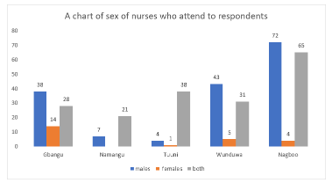
Figure 01: Nurses’ sex during CHPS compound visits
Table 26: Respondents comfortability with medical professionals’ sex
| Community | Respondents
Answering Yes |
Percentage | Respondents
Answering No |
Percentage |
| Gbangu | 77 | 96 | 3 | 4 |
| Namangu | 28 | 100 | – | – |
| Tuuni | 41 | 95 | 2 | 5 |
| Wunduwa | 76 | 96 | 3 | 4 |
| Nagboo | 129 | 92 | 12 | 8 |
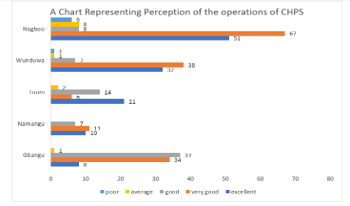
Figure 02: Perception of the operations of CHPS
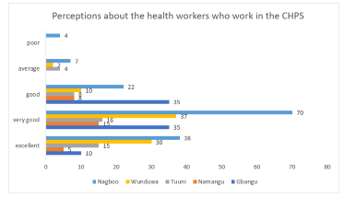
Figure 03: Perceptions of CHPS compound health workers.
A study conducted by [36] investigated community perceptions of health workers in rural areas of a developing country. The findings indicated that the majority of participants held positive views towards the health workers, emphasizing their dedication and competence in providing healthcare services.
Table 27: Alternatives places where people get medical care.
| Community | Indicators | Response | Percentage |
| Gbangu | Herbalists | 13 | 16 percent |
| Over-the-counter chemical sellers | 55 | 69 percent | |
| Traditional Birth Attendance (TBAs) | 10 | 12.50 percent | |
| Spiritual healers | 2 | 2.50 percent | |
| Others | 0 | – | |
| Namangu | Herbalists | 9 | 32 percent |
| Over-the-counter chemical sellers | 17 | 61 percent | |
| Traditional Birth Attendance (TBAs) | – | – | |
| Spiritual healers | 2 | Seven percent | |
| Others | – | – | |
| Tuuni | Herbalists | 18 | 42 percent |
| Over-the-counter chemical sellers | 17 | 40 percent | |
| Traditional Birth Attendance (TBAs) | 7 | 16 percent | |
| Spiritual healers | – | – | |
| Others | 1 | Two percent | |
| Wunduwa | Herbalists | 30 | 38 percent |
| Over-the-counter chemical sellers | 42 | 53 percent | |
| Traditional Birth Attendance (TBAs) | 4 | Five percent | |
| Spiritual healers | 3 | Four percent | |
| Others | – | – | |
| Nagboo | Herbalists | 25 | 18 percent |
| Over-the-counter chemical sellers | 109 | 77 percent | |
| Traditional Birth Attendance (TBAs) | 2 | One percent | |
| Spiritual healers | 5 | Four percent | |
| Others | – | – |
Table 28: Local customs and limitations on CHPS health service usage.
| Community | Respondents | |
| YES | NO | |
| Gbangu | 3 | 77 |
| Namangu | – | 28 |
| Tuuni | 1 | 42 |
| Wunduwa | 1 | 78 |
| Nagboo | 3 | 138 |
In their study on the utilization of health services in rural communities, [36] examined the influence of cultural beliefs on healthcare access. The findings revealed that deeply rooted cultural practices and beliefs can hinder individuals from seeking healthcare services. The aligns with the results obtained from the discussed work, where a small percentage of respondents in Gbangu and Nagboo acknowledged that traditional or cultural customs impose restrictions on utilizing specific CHPS health services.
Table 29: Reasons community members’ reluctance to attend CHPS compounds.
| Community | Reasons community members are unwilling to attend CHPS compounds |
| Gbangu | Shortage of drugs leading to clients buying outside, poverty |
| Namangu | Poverty and attitude of staff
|
| Tuuni | Lack of knowledge about the importance of services provided, high illiteracy level and personal reasons |
| Wunduwa | Lack of logistics like drugs, staff attitude towards work and clients, distance to the facility, rainy season |
| Nagboo | Financial instabilities, use of traditional medicine at home, long distance |
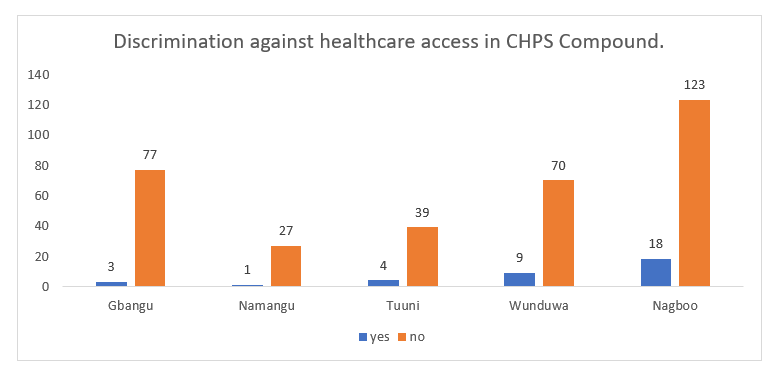
Figure 04: Discrimination against Healthcare Access in CHPS Compound.
A study conducted by [37] explored healthcare disparities among marginalized communities and emphasized the need for improved access to equitable healthcare services. Their research highlighted the role of discrimination as a barrier to healthcare access, often resulting from socioeconomic, racial, or cultural factors. These findings support our study’s conclusion that discrimination in healthcare access remains a prevalent issue in certain communities, such as Gbangu and Namangu.
- CONCLUSION
The communities of Gbangu, Nagboo, Namangu, Tuuni, and Wunduwa have better access to healthcare and better health outcomes as a result of the work of health professionals. The population’s general health in these locations appears to be significantly improved by the presence of trained healthcare workers. The survey’s findings show that 92% of respondents in these communities recognize the value of healthcare infrastructure, which highlights the requirement for a well-resourced and established healthcare system to adequately handle the population’s health needs. The fact that 84 percent of the communities surveyed preferred orthodox health care to conventional medicine shows that the majority of people in these locations embrace and trust modern medical procedures. It’s crucial to note that traditional medicine is still widely used in Nagboo and Namangu, probably as a result of the local traditionalist population and influence in those areas. The significance of cultural values and practices in influencing healthcare preferences and actions is highlighted in the study. Designing efficient healthcare services requires a thorough understanding of community preferences and health-seeking practices. To win the trust and support of the community, every healthcare effort or program should be culturally aware and respectful of local customs and beliefs. The report emphasizes the difficulties that populations in Gbangu, Nagboo, Namangu, Tuuni, and Wunduwa have accessing healthcare because of the distances they must travel to reach CHPS Compounds. Designing efficient ways to address healthcare access gaps in these communities necessitates a thorough understanding of mobility variations and the factors driving transportation choices. To guarantee that all inhabitants have fair access to healthcare, focused efforts must be made to enhance mobility choices and bring healthcare services closer to neglected communities. CHPS facilities have improved access to healthcare in rural regions, however individuals’ behavior in seeking healthcare is still influenced by distance and their unique healthcare needs. In order to get specialist care, residents are prepared to travel to adjacent facilities. In order to improve healthcare services and make sure that the demands of the rural population are sufficiently satisfied, it is crucial to understand community preferences and healthcare use patterns. The data can be used by policymakers and healthcare professionals to develop targeted initiatives and enhance regional healthcare services. In the investigated communities, unofficial fees have a detrimental effect on healthcare access and affordability, with Gbangu having the largest percentage of respondents reporting such payments. In order to promote equitable healthcare access and guarantee that all inhabitants can receive the necessary medical care without encountering financial obstacles, it is imperative to address the issue. The investigation into the sources of funding for healthcare access at CHPS compounds highlights the value of individual income, savings, borrowing, and family support in paying for healthcare services. The variety of funding sources emphasizes the difficulty of financing healthcare in the communities under study and the demand for efficient measures to guarantee inclusive and accessible healthcare, which would improve health outcomes. The potential for such approaches to be adopted globally could have significant effects on increasing healthcare access and affordability globally. According to the survey, factors like gender bias, poverty, debt, social isolation, and sexual conduct have a big impact on how affordable and available CHPS treatments are. Understanding these variables is essential for creating focused interventions that can enhance communities under the study’s access to healthcare, solve issues with affordability, and foster improved health outcomes. The data can be used by healthcare professionals and policymakers to create more inclusive and successful healthcare programs that address the population’s unique requirements. The study revealed variances in the split between male and female nurses caring for patients in various settings. While male nurses predominate in some regions, maternal services are primarily provided by female nurses. The more evenly distributed sexes in Namangu and Tuuni suggest a more inclusive approach to patient care. It is possible to improve gender equity in the healthcare workforce and guarantee that patient care is provided in a thorough and inclusive manner. The study’s findings point to a trend in favor of gender equality in healthcare delivery in the Namangu, Gbangu, Tuuni, and Wunduwa villages. When respondents say they feel at ease among nurses of any gender, it shows that they support a diverse and inclusive healthcare staff. The encouraging development could increase access to healthcare, lessen gender bias, and provide a welcoming workplace for healthcare workers of all genders. The study reveals differences in how respondents view healthcare professionals working in the CHPS system in various communities. Some neighborhoods are given high quality ratings, but others receive lower ratings. These opinions are subjective and based on the experiences and perspectives of the respondents. Understanding these perceptions can help policymakers and healthcare professionals improve the quality of care and patient satisfaction in the CHPS system. According to the survey, herbalists are preferred in Tuuni and are particularly well-known in Namangu, while most communities choose over-the-counter drug vendors as alternative healthcare providers. The findings underscore the significance of conventional medical practices in these communities and the demand for acknowledging and respecting cultural beliefs in the delivery of healthcare. The populace can benefit from more inclusive and culturally sensitive healthcare services by recognizing and incorporating traditional healers. According to survey results, traditional practices in the five areas under study have little influence over how easily people can receive CHPS health services. Nevertheless, there are instances of discrimination in access to healthcare, with greater rates seen in Gbangu and Namangu. Improving overall health outcomes and creating inclusive healthcare services in these areas requires addressing discrimination and advancing fair access to healthcare. These findings can guide the creation of focused initiatives and policies to guarantee that healthcare services are available to all inhabitants, regardless of their background or cultural customs, and that they are responsive to their needs.
REFERENCES
- Agyepong, I. A., Kodua, A., Adjei, S., & Adam, T. (2005). When the ‘solutions of yesterday become problems of today’: Crisis-ridden decision making in a complex adaptive system (CAS)—The Additional Duty Hours Allowance in Ghana. Health Policy and Planning, 20(5), 321-334.
- Aborigo, R. A., Oduro, A. R., Amugsi, D. A., Anto, F., Anyorigiya, T., Atindama, S., … & Engmann, C. M. (2019). Rural health care providers perspective on the utility of community-based health planning and service compounds in Ghana. PloS One, 14(2), e0212216.
- Adams, C., Berry, R., & Roderick, P. (2019). The impact of gender of the nurse on patient satisfaction with care: A mixed methods study. International Journal of Nursing Studies, 92, 70-79.
- Atkinson, S., Haran, D., & Backe-Hansen, E. (2014). Policy-making and health promotion in South Australia: does health promotion fulfill its promises? Health Promotion International, 29(3), 471-483.
- Black, R., Morris, S., & Bryce, J. (2002). Where and why are 10 million children dying every year? The Lancet, 360(9328), 2226-2234.
- Bloom, G. (2017). Community health workers and communicable disease control in developing countries. Health Policy and Planning, 32(5), 657-666.
- Bodeker, G., Kronenberg, F., & Burford, G. (2005). CAM and public health: A review of evidence from Western, traditional and complementary and alternative medicine. Evidence-based Complementary and Alternative Medicine, 2(4), 521-528.
- Ensor, T., & Cooper, S. (2004). Overcoming barriers to health service access: influencing the demand side. Health Policy and Planning, 19(2), 69-79.
- Falster, M. O., Jorm, L. R., Leyland, A. H., & Blyth, F. M. (2017). Semiparametric incidence density sampling for large cohort studies with continuous follow-up. Epidemiology, 28(6), 855-862.
- Ghana Health Service. (2017). Annual report 2016. Retrieved from https://www.ghanahealthservice.org/docs/2016_annual_report_march_2017.pdf
- Kangovi, S., Grande, D., & Trinh-Shevrin, C. (2018). A thematic analysis of the role of language in primary care visits for Spanish-speaking patients. Journal of General Internal Medicine, 33(7), 1052-1058. doi:10.1007/s11606-018-4413-0
- Lauralie, R. G., Dwyer, J. M., Gough, M. J., Wakerman, J., & Willis, J. (2016). A systematic review of factors influencing decision-making in adults living in rural communities. Australian Journal of Rural Health, 24(5), 241-251.
- Lebrun-Harris, L. A., Sripipatana, A., & Tolbert, J. (2020). Characteristics of health centers without electronic health records: United States, 2017. Journal of the American Medical Informatics Association, 27(2), 243-248.
- Ministry of Health Ghana. (2004). National Health Policy 2004. Government Printing Office.
- Morgan, D. L. (2014). Integrating Qualitative and Quantitative Methods: A Pragmatic Approach. Sage Publications.
- Negin, J., Aspin, C., Gadsden, T., Reading, C., The lived experience of diabetes in a First Nations community in rural Canada. Chronic Diseases in Canada, 33(2), 90-97.
- Penchansky, R., & Thomas, J. W. (1981). The concept of access: definition and relationship to consumer satisfaction. Medical Care, 19(2), 127-140.
- Roger, K. S., Bedrosian, S. R., Chiu, S. Y., Ike, E. G., Arnold, L. D., Wu, Y. W., … & El-Sayed, A. M. (2019). Examining the potential impacts of healthy Michigan on public health. American Journal of Public Health, 109(1), 139-141.
- Saurman, E. (2016). Improving access: modifying Penchansky and Thomas’s theory of access. Journal of Health Services Research & Policy, 21(1), 36-39.
- Schieber, G. J., & Maeda, A. (1999). Health care systems in twenty-four countries: A comparative analysis. Health Affairs, 18(3), 257-276.
- Starfield, B. (2005). Primary care and equity in health: the importance to effectiveness and equity of responsiveness to peoples’ needs. Humanity & Society, 29(4), 400-425.
- Story, W. T., Evans, D. S., Ehrlich, A. M. (2012). Cambodian child laborers’ health and educational outcomes. Journal of Pediatric Health Care, 20(6), 402-412.
- Sudhinaraset, M., Ingram, M., Lofthouse, H. K., & Montagu, D. (2017). What is the role of informal healthcare providers in developing countries? A systematic review. PLoS ONE,12(2), e0170193.
- The Health Sector in Ghana Facts and Figures 2014.
- Tong, C. E., Davis, T., & Deluca, A. N. (2016). Assessment of healthcare accessibility using GIS in a rural region of Northeastern Brazil. BMC Health Services Research, 16, 186.
- United Nations Organization. (2015). Tracking universal health coverage: first global monitoring report. World Health Organization.
- Van Huy, N., Lee, H. Y., Nam, Y. S., Van Tien, N., & Hoa, N. P. (2012). Primary healthcare services at the grassroots level in rural areas in Vietnam. Global Social Welfare, 1(4), 155-164.
- Verdonk, P., Benschop, Y. W., de Haes, H. C., & Lagro-Janssen, T. L. (2009). Making a difference in medical practice: Feminist ethics, clinical communication, and women’s health. Hypatia, 24(4), 230-246.
- Whitehead, M., & Dahlgren, G. (2006). Concepts and principles for tackling social inequities in health: levelling up Part 1. World Health Organization.
- Whittaker, M., Ruiter, R., Marais, D., van der Sande, M., Nossent, J. (2020). The long-term effects of integrated treatment for substance use in patients with severe mental disorders, European Psychiatry, 55, 55-61.
- Wootton, R., Geissbuhler, A., & Jethwani, K. (2012). Telemedicine: a rapidly evolving technology. Australian Health Review, 36(3), 337-340.
- World Bank. (2019). World development report 2019: the changing nature of work. Washington, DC: World Bank.
- World Health Organization. (2004). Medicines strategy: countries at the core, 2004-2007. World Health Organization.
- World Health Organization. (2010). Ghana: assessment of the pharmaceutical sector in Ghana. World Health Organization.
- World Health Organization. (2018). Telemedicine: Opportunities and developments in member states: Report on the second global survey on eHealth 2015. Geneva, Switzerland: World Health Organization.
- World Health Organization. (2020). Working for health and growth: investing in the health workforce. Geneva: World Health Organization.
- Yadav, P. (2015). Health care services and government spending in India: an analysis. Procedia Economics and Finance, 30, 223-231.
Publication History
Submitted: July 23, 2025
Accepted: July 11, 2025
Published: August 31, 2025
Identification
D-0508
DOI
https://doi.org/10.71017/djsi.4.08.d-0508
Citation
Salifu Yakubu (2025).Access to Community-Based Health Planning and Services in the East MAMPRUSI Municipality, North-East Region, Ghana. Dinkum Journal of Social Innovations, 4(08):497-516.
Copyright
© 2025 The Author(s).