

Publication History
Submitted: June 21, 2025
Accepted: July 24, 2025
Published: September 30, 2025
Identification
D-0525
DOI
https://doi.org/10.71017/djsi.4.09.d-0525
Citation
Emmanuel Kwabena Arthur Frimpong (2025).Proprietor Interference in Day-To-Day School Administration: A Study of Private Basic Schools in The Nhyiaeso Constituency. Dinkum Journal of Social Innovations, 4(09):702-716.
Copyright
© 2025 The Author(s).

702-716
Proprietor Interference in Day-To-Day School Administration: A Study of Private Basic Schools in The Nhyiaeso ConstituencyOriginal Article
Emmanuel Kwabena Arthur Frimpong1*
- Presbyterian University, Abetifi, Ghana.
* Correspondence: emmanjelf20@gmail.com
Abstract: Education constitutes the foundation for the development of human resource, and that makes it critical for national development. The study examined proprietor interference in day-to-day school administration in the Nhyiaeso Constituency. The study was specifically designed to ascertain the effect of proprietor interference on effective school administration. The study adopted the correlational study design. Four study questions were generated to guide the study. The population of study was 494 made up of 16 proprietors, 36 headteachers/deputy headteachers and 442 teachers. Simple random sampling technique was used to select the sample. A sample of 216 respondents made up of 6 proprietors, 16 headteachers/deputy headteachers and 195 teachers were used for the study. Questionnaire was the principal tool used for data collection. Mean and Standard Deviation were used for the descriptive statistics while correlation and regression analysis were used for the inferential statistics. Findings from the study show that there is a significant negative correlation between proprietor interference and effective school administration. Proprietor interference reduces effective school administration by 21.2%. The study therefore concluded that if proprietors reduce their high interference in the administration of their schools, they directly increase effective school administration by (21.2%) holding all other factors constant. A high extent of proprietor interference in school administration is pernicious since that reduces headteachers’ and teachers’ effectiveness in school administration. Among the recommendations include the fact that the Ghana Education Service should team up with the Ghana National Association of Private Schools and other private school associations in Ghana to run periodic workshops on school administration for school proprietors in order to help them better understand their role.
Keywords: proprietor, interference, school administration, private, basic schools, nhyiaeso constituency
- INTRODUCTION
Education constitutes the foundation for the development of human resource, and that makes it critical for national development [1]. In the regard, [2] has described education as the key to human, social and economic development. An author [3] has also noted that education makes both the person and the nation and influences people’s values and attitudes. In Ghana, there are two types of educational institutions responsible for the provision of formal education at the basic, secondary and tertiary levels. These are private schools and public schools. According to [4], private schools are schools that rely on user fees to meet their operational and development costs and are owned and managed independent of the state. A public school on the other hand is a school founded and managed by the state. Since the 19th Century, a lot of Education Ordinances and Acts have been promulgated all with a view to promoting and expanding access to formal education. An author [5] has stated that the government of Ghana has committed itself to several international protocols to provide basic education for all Ghanaian children. The introduction of Free Secondary schooling in 2017 and the 2019 Curriculum Review with its resultant introduction of a Standards-Based curriculum and extension of basic schooling to the Senior High School level are bold statements of the nation’s belief in the power of education to bring about social and economic transformation. Notwithstanding the numerous policy provisions and other efforts by the government of Ghana in education delivery, [6] reports that the reality in many public basic schools leaves much to be desired. The National Pre-Tertiary Education Curriculum Framework (2018) reports that learners in private schools continue to perform better than those in public schools. An author [7] have reported poor performance of public-school candidates in the Basic Education Certificate Examination in Ghana on a yearly basis. No wonder [8], writing from a Nigerian perspective, has noted that there is a persistent and widespread loss of confidence in public educational institutions. The unsatisfactory performance of public basic schools in national examinations coupled with complaints of poor infrastructure and inadequate teaching and learning materials makes many parents opt for private school education for their wards especially at the basic level. In seeking to improve the overall performance of learners in the basic school, the role of the headteacher cannot be overemphasized. In support of that view, [9] has noted that the quality of headteachers is the chief factor in school performance. An author [10] have observed that effective supervision in private schools is a factor which makes them more successful than public schools. In his quest to improve teaching and learning, the private basic school headteacher has to play a number of roles. According to [11], the main responsibilities of a headteacher as far as day-to-day basic school administration is concerned are interpreting and executing the curriculum, seeing to pupils’ welfare, providing good physical facilities, maintaining effective school-community relations and managing finances. In reality, the private basic school headteacher does not have the freedom to carry out these responsibilities. It is because, a private school has a proprietor who performs a role that is parallel to the headteacher’s and which interferes in the leadership and administrative effectiveness of the headteacher. In Ghana, the basic qualification for basic school headship is Teachers’ Certificate ‘A,’ Diploma in Education or Bachelor of Education [12], and the prerequisite courses for the programme include Principles of Educational Administration, Curriculum Studies, General Principles and Methods of Teaching, Philosophy of Education, Educational Psychology and Assessment and Evaluation in Education. According to [13], an administrator (headteacher) is expected to possess technical skills, interpersonal skills and conceptual skills. A person who has taken the aforementioned prerequisite courses is expected to have acquired the skills required for a successful school administration and the promotion of school effectiveness. Refreshingly, most of these headteachers are experienced teachers [14]. As a result, they are expected to have acquired the requisite knowledge and experience to function effectively as headteachers [15]. Contrastingly, many of these school proprietors lack expertise in education [16] neither do they possess any formal qualifications in teaching or educational administration yet they interfere in day-to-day administration, ‘acting as managers instead of as proprietors’ [17]. Considering what has been said thus far, there is the need to ascertain the effect of the phenomenon of school proprietor interference on effective school administration as well as its causes and extent and then identify solutions to the problem. Private basic school headteachers are expected to carry out a number of responsibilities to promote effective teaching and learning by virtue of their role and training as educational administrators. However, [18] have identified school proprietor interference as one of the challenges facing headteachers of private schools in the performance of their duties. The main purpose of the study, therefore, was to examine school proprietor interference in the day-to-day administration of private basic schools in the Nhyiaso Constituency of Ghana. The study specifically set out to ascertain the effect of proprietor interference on effective school administration and identify strategies to solve the problem. The study is significant for a number of reasons. The findings of the study are of immense relevance to school proprietors, the Ghana Education Service, the National Inspectorate Board and Educational Leadership experts.
- MATERIALS AND METHODS
The study identified correlational study design as the best study method to be applied in the study in order to address the stated objectives. The correlational study design was chosen because it provided a means of examining the extent of association between variables used in the study since our study aimed at measuring the effect of proprietor interference on day- to- day administration in private schools in the Nhyiaeso Constituency. According to [19], a correlational study not only describes what exists between two variables but also systematically investigates relationships between two or more variables of interest. An author [20] employed the descriptive correlational design to study the relationship between teacher efficacy and teacher collaboration, and the study design was very useful in relating relationships among the studied variables. The target population for the study covers all the private schools in the Nhyiaeso Constituency. Their population consists of 16 Proprietors, 36 Headteachers/Deputy Headteachers and 442 Teachers.
Table 01: Population Characteristics of Schools in the Nhyiaeso Constituency
| Schools | Proprietors | Headteachers | Teachers |
| Palmar International School | 1 | 2 | 28 |
| Salvation International Academy | 1 | 2 | 15 |
| The Ridge School | Board | 4 | 30 |
| Hilltop School | 1 | 4 | 50 |
| Enis Hybrid | 1 | 2 | 30 |
| Maria Montessori school | 1 | 4 | 50 |
| Froebel Educational Centre | 1 | 4 | 40 |
| Mount Olivet | 1 | 2 | 30 |
| World Lighters | 1 | 2 | 25 |
| Nagis Angels School | 1 | 4 | 50 |
| International Community School (ICS) | 1 | 4 | 54 |
| ST. Lwanga | 1 | 2 | 40 |
| Total | 16 | 36 | 442 |
The aspect of the study described in detail the sample size estimation method, the samples and the various sampling techniques used to select the sample from the target population of study. The Cochran’s formula for estimating sample size was used to estimate the required representative samples for the study.
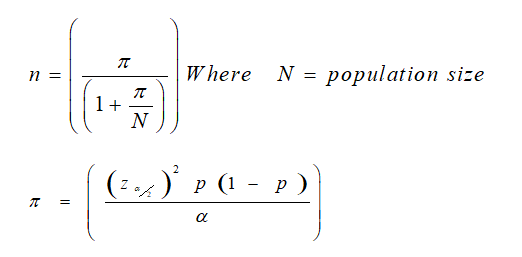
Where;
p is the proportion of individuals selected to study
Is the confidence level
Is the error term
where;
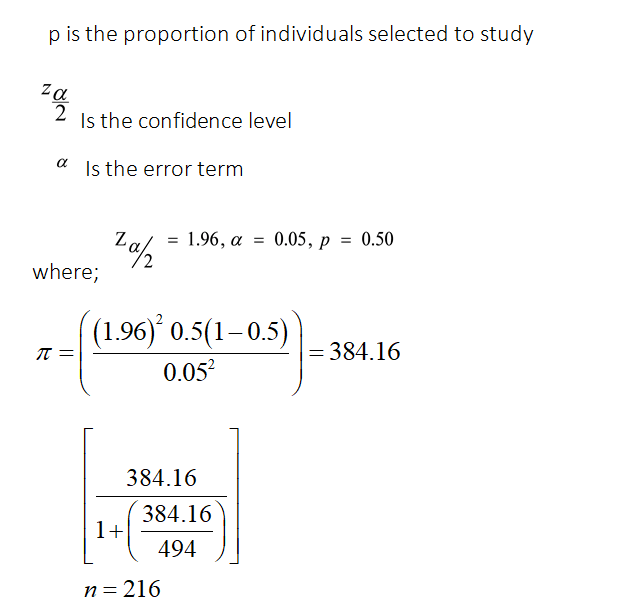
From the estimations, we sampled 216 people to represent the entire 494 population. The sample constitutes about 16 head/deputy headteachers, 6 proprietors and 195 teachers based on proportional allocation to size as shown in table below.
Table 02: Sample with Proportional Allocation to Size
| Names | Headteachers | Proprietors | Teachers |
| Palmar International School | 2 | 1 | 24 |
| Salvation International Academy | 2 | 1 | 13 |
| Froebel Educational Centre | 4 | 1 | 35 |
| Nagis Angels School | 4 | 1 | 43 |
| International Community school ICS | 4 | 1 | 44 |
| Saint. Lwanga | 2 | 1 | 35 |
| Total sample | 18 | 6 | 195 |
The study appreciated the use of simple random sampling and stratified sampling with proportional allocation to size in selecting the number of schools and proprietors, head/deputy headteachers and teachers from the selected schools in the constituency to form a heterogeneous sample for the study. Simple random sampling technique was applied in selecting six schools from the total of twelve schools in the constituency. Simple balloting where the twelve schools were numbered in twelve identical sheets was randomly selected without replacement. In controlling bias in selecting the respondents from the selected schools, stratified sampling with proportional allocation to size was applied in selecting the number of proprietors, head/ deputy headteachers and the respective teachers. From each of the selected six schools (Palmar International School, Salvation International Academy, Froebel Educational Centre, Nagis Angels School, International Community schools ICS and Saint. Lwanga) was set as a stratum and from each stratum, representative members were selected. Respective samples of teachers and proprietors were actually selected randomly from each school to form the sample. These methods were used to help get a representative heterogeneous and an unbiased sample for the study. In addition, the application of these techniques helped minimize sampling errors which could go a long way to affect the results and findings. The aspect of the study discusses the data source, the data collection instruments, and the procedure for data collection. The data was collected originally from six selected schools (Palmar International School, Salvation International Academy, Froebel Educational Centre, Nagis Angels School, International Community School and Saint. Lwanga) in the Nhyiaeso Constituency through self- administration of questionnaires. The author relied solely on primary data in conducting the study, and the instrument used for the data collection was structured questionnaire. The questionnaire was structured in various forms in order to capture the required data needed for the study to achieve its objectives. Section one of the questionnaire captured information on demographic characteristics of the respondents (sex, schools, positions and academic qualification), section two captured information about reasons why proprietors interfere in the day-to-day administration of their schools. Section three highlighted questions on the effect of proprietor interference and Section four featured questions regarding suggestions on ways of minimizing proprietor interference. The procedure for collecting the primary data was self-administration method, where the study went to the respective schools selected for the study one after the other to distribute the questionnaire to the teachers, headteachers and the proprietors as the required participants. Introductory letters were first sent by the study to the six schools of interest to officially inform them about the upcoming study for their consent. After three weeks, all the six schools officially informed the study about their consent for the study to be carried out in their institutions. The study determined to produce accurate data that would help to produce a study which reflects the true situation on the ground and gives empirical evidence from the study. For that reason, the study tried as much as possible to ascertain the reliability and validity of the data collected for analysis. Reliability test on consistency of the responses from the respondents following the questions on the questionnaire were performed at the pre-field stage where a reliable Cronbach of 0.89 was obtained. For validity of the findings, the study made sure that the information obtained from respondents in the schools through the interview was cross-checked with what was on the questionnaire all the time. Data obtained were gleaned by sorting before coding the questionnaires with special codes for easy identification to avoid unnecessary mix-ups at the analysis stage, which could generate misleading results for the study and lead to wrong conclusions. Study ethics were ensured in the study to protect the image of the respondents and the schools selected in the study. Data and information collected from the schools were kept confidential and were used only for statistical analyses and academic purposes. Respondents were informed of the exact purpose for which the data was being collected and were allowed to participate willingly without any coercion. The identities of respondents were protected for ethical reasons and no specific information/data was associated with specific respondents or personal opinions of individuals. In order to determine how proprietor interference affects day- to- day administration of private schools in the study area, correlation and regression analysis were the statistical tools used for the data analysis. In order to determine how proprietor interference affects effective school management, the data were analyzed using Regression and Correlation analysis. The following Regression model was generated:
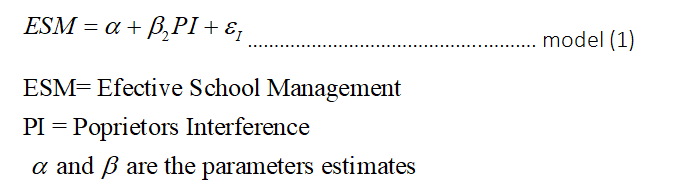
The statistical technique is used to determine the strength of relation that exists between two or more variables. Statistical co-efficient is used to assess the strength of relationship between variables under study. That co-efficient lies within .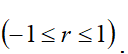 It implies that there is positive and negative correlation, strong, weak, and perfect correlation between variables described by the co- efficient. The correlation coefficient measures the strength of relation that exists between two or more variables. The variables consist of dependent and independent variables. The dependent variable is the variable that responds to changes in the independent variable. It is also known as the response variable since it responds to changes in the value of the predictor variable. Independent variables are variables that do not change in the change of the other variable. They are called predictor variables since they predict the value of the response variable. The relation can be expressed as ……………… (1) Where “β0” is the constant term, β1 is the coefficient of the independent variable, and is the error term in the model.
Correlation coefficient is given by:
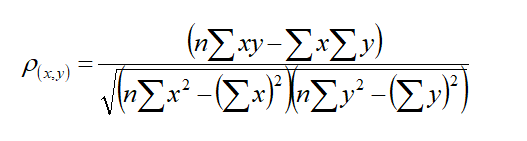
Where n is the number of observations. The value of is measured between 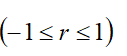
Assumptions of Regression Analysis: The data must be normally distributed with mean zero and constant variance of 1.niid . There must be linear relationship between the independent and the dependent variable. The error must be normally distributed and uncorrelated. In determining whether the model is predictive, model test of accuracy in predicting future values were checked. For a good model, there must be strong correlation between the independent and the dependent variables with high value of R2 (coefficient of determination) and the error term in the model must be small. Graphically homoscedasticity and density distribution curve will be used to examine the model fitness.
- RESULTS AND DISCUSSION
The study was confined to the Nhyiaeso Constituency. The Nhyiaeso Constituency is in Greater Kumasi in the Ashanti Region of Ghana. The area boasts 12 wells- established Private Schools. The Nhyiaeso Constituency is a geo-political area located in the Kumasi Metropolitan Area. The area was chosen for the study because it was observed by the study that the place contains private schools whose characteristics are representative enough and can help achieve the objectives of the study. The study identified the following: Gender, Schools under Study, Position Held by Respondents, Academic Qualification (demographic characteristics of the respondents). The results in table below shows that majority 54.8% (n = 99) were males whereas 45.2% (n = 99) of the respondents were females representing the minority. 89% (n = 195) of the respondents were teachers and only 8.2% (n = 18) were head teachers in the sampled schools and only 2.7% (6) were school proprietors owning those schools under study. The distribution of the schools in the study area shows that 12.32% (n = 27) were from Palmar International School, 7.3% (n = 16) were from Salvation International Academy, 18.3% (n = 40) were from Froebel Educational Center, 21.9% (n = 48) were from Nagis Angel School, 22.4% (n = 49) were from International Community school (ICS) and 17% (n = 38) were from Saint. Lwanga. The educational qualification of the respondents shows that most 41% (n = 46) of them were HND holders, 31.05% (n = 68) were First Degree holders, 30.14 % (n= 68) were holders of a Master’s Degree and only 16.89% (n = 37) were SSS/SHS certificate holders. These indicate that the teachers had acquired a certain level of education that placed them in a better position to contribute to the study.
Table 03: Demographic Characteristics of the Respondents
| Demographic Characteristics | Frequency | Percent | |
| Gender | Female | 99 | 45.20 |
| Male | 120 | 54.80 | |
| Palmar International School | 27 | 12.32 | |
| Salvation International Academy | 16 | 7.30 | |
| School | Froebel Educational Centre | 40 | 18.26 |
| Nagis Angels School | 48 | 21.92 | |
| International Community school | 49 | 22.37 | |
| Saint. Lwanga School | 38 | 17.25 | |
| Proprietor | 6 | 2.7 | |
| Position Held by Respondents | Headteacher | 18 | 8.2 |
| Teacher | 195 | 89 | |
| SHS / SSS | 37 | 16.89 | |
| Academic Qualification | HND | 68 | 31.05 |
| DEGREE | 66 | 30.14 | |
| MASTERS | 48 | 21.92 | |
Study question 1 sought to identify the causes of proprietor interference in day-to-day school administration. The respondents rated their level of agreement or disagreement on 17 statements of the reasons why proprietors interfere in the day- to -day administration of their schools. The mean score for each question was computed. A mean score value above 3 indicates that the respondents were in agreement with that question and a mean score value below 3 indicates that the respondents were in disagreement with that statement on proprietor interference. The five of the most important reasons why proprietors interfere in the administration of their schools were: For raising of standards in the school for widespread recognition of academic success; To meet both students’ needs and parents’ needs as potential customers of the school; For effective control of school finances; for accountability and business management; For maintenance of high standards for the school; To help achieve the schools vision and mission; and To gain strength for competitive advantage and goodwill. Their mean scores were all above 3, which indicate that the respondents were in support of these statements. Among these reasons, the top three leading causes of proprietor interference in the administration of their schools are:
- For effective control of school finances, accountability and effective business management
- For raising of standards in the school for widespread recognition of academic success and
- To gain strength for competitive advantage and goodwill
- It indicates that since the proprietors are the sole owners of the schools, they always like to control the finances of their schools in order to make significant profit. Proprietors believe that once they are able to carve a good reputation for their schools, they will be able to capture a sizeable share of the market and make more profit; therefore, they always want to interfere in the administration of their schools in order to meet their set goals as sole owners.
They also have the belief that they have to interfere in the administration of their schools in order to meet the needs of both the students and the parents, who are the life blood of their business.
Table 04: Reasons Why Proprietors Interfere in the Administration of their Schools
| Proprietor Interference | Qust | Mean | Std. | Variance |
| For raising of standards in the school for widespread recognition of academic success | 1 | 3.31 | 1.775 | 3.154 |
| Ownership reasons and leadership style to help achieve school vision and mission | 2 | 3.15 | 1.751 | 3.067 |
| To meet both students’ needs and parents’ needs as potential customers of the school. | 3 | 3.22 | 1.696 | 2.878 |
| For effective planning, policies formulation and decision making in the School | 4 | 2.93 | 1.809 | 3.274 |
| For curriculum, instructional motivation and Appraisal of staff members | 5 | 2.97 | 1.533 | 2.351 |
| For effective control of school finances, accountability and effective business management | 6 | 3.52 | 1.605 | 2.576 |
| For providing facilities / equipment, physical facilities and educational material and for quality assurance | 7 | 3.04 | 1.621 | 2.629 |
| For effective control, planning, directing and coordinating of financial resources, human resource and others of the school | 8 | 2.97 | 1.568 | 2.459 |
| For the maintenance of high standards for the school | 9 | 3.15 | 1.623 | 2.634 |
| Feel of self-interest as the sole owner of the school | 10 | 3.04 | 1.832 | 3.358 |
| As a result of government policies stretched on private school proprietors | 11 | 2.55 | 1.575 | 2.484 |
| As a result of students’ and school teachers ‘attitudes | 12 | 2.72 | 1.519 | 2.310 |
| To help achieve the school vision and mission | 13 | 3.10 | 1.755 | 3.080 |
| Ownership interest and to serve the needs of students and parents | 14 | 2.96 | 1.553 | 2.413 |
| For proper accountability in respect of the activities of the school | 15 | 2.95 | 1.723 | 2.970 |
| Lack of trust in subordinates in the school | 16 | 2.98 | 1.703 | 2.901 |
| To gain strength for competitive advantages and good will | 17 | 3.22 | 1.712 | 2.932 |
| Average mean Score | 153 | 51.78 | 28.353 | 47.47 |
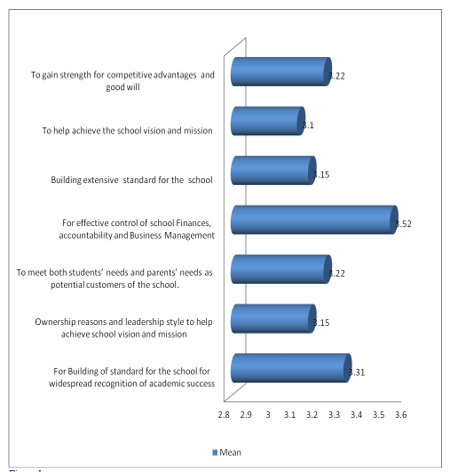
Figure 01: Reasons why Proprietors interfere in the Administration of their Schools.
Study Question 2: What is the extent of proprietor interference in day-to-day school administration? Study question 2 sought to ascertain the extent of proprietor interference in day-to-day school administration.
Table 05: Extent of Proprietor Interference in School Administration
| Extent of proprietor interference | Frequency | Valid Percent |
| very high extent | 33 | 29.5 |
| high extent | 34 | 30.4 |
| less extent | 18 | 16.1 |
| very less extent | 27 | 24.1 |
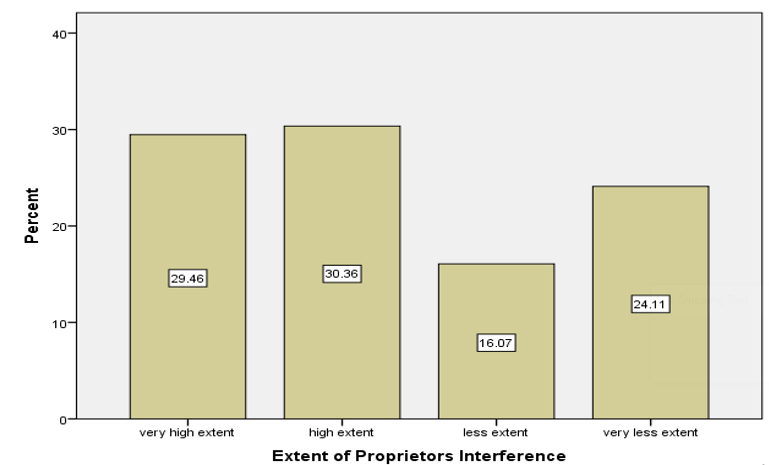
Figure 02: Extent of Proprietor Interference in the Administration of their Schools
Study Question 3: What is the effect of proprietor interference on day-to-day school administration? Study question 2 sought to find out the relationship between proprietor interference and school administration. Pearson product moment correlation was run between proprietor interference and its effect on school administration. To address that objective, the following study hypotheses were set up: H0 = There is a significant relationship between proprietor interference and school administration. HO: There is a significant effect of proprietor interference on day-to-day school administration. The results shows that there is a significant negative correlation (R= -.460, P = .000 < 0.05) between proprietor interference and effective school administration. It means that, the more the proprietors interfered in the roles played by the headteachers and teachers in the private schools, the less effective administration of the private schools understudy became. It is because the Likert scale designed for the study shows that the higher the interference of proprietors, the more ineffective school administration becomes.
Table 06: Correlations between Proprietors’ Interference and School Administration
| Pearson’s R | Proprietor Interference
|
School Administration |
| Proprietor Interference | 1 | .460** |
| (Sig = .000) | ||
| School Administration | -.460** | 1 |
| (Sig = .000) |
The regression analysis shows that there is a direct inverse relationship (administration = 6.631 -0.154intereference) between proprietor interference and school administration. Therefore, the result indicates that proprietor interference negatively contributes about 21.2% (R2 = .212, AdjR2 = .205, p < 0.05) to day to day administration of private schools. It suggests that to attain effective school administration of the private schools in the study area, proprietors should reduce their extreme interference in the day- to -day administration of their schools. It will also allow the headteachers to play their roles effectively for school development.
Table 07: ANOVA
| Model | Sum of Squares | df | Mean Square | F | Sig. |
| Regression | 1824.172 | 1 | 1824.172 | 29.568 | .000 |
| Residual | 6786.390 | 110 | 61.694 | ||
| Total | 8610.563 | 111 |
Dependent Variable: School Administration and Predictors: (Constant), Proprietor Interference
Table 08: Model Coefficient
| B | Std. Error | Beta | T | Sig. | |
| (Constant) | 6.631 | 1.719 | .000 | ||
| Proprietor interference | -.154 | .028 | .460 | 5.438 | .000 |
| R = -.460, R2 = .212, AdjR2 = .205, Std. Error = 7.85458 | |||||
Dependent Variable: School Administration and Predictors: (Constant), Proprietor Interference
Study Question 4: What strategies should be implemented to minimize proprietor interference in day-to-day school administration? Study question 4 sought to identify ways of minimizing the effect of proprietor interference on day -to- day school administration. 32% (n = 36) of the respondents suggested that in order to minimize interference by proprietors in the administration of their schools, there should be effective communication between the proprietors and the headteachers/staff of their schools all the time. 30% (n = 33) also suggested that proprietors should trust their headteachers to manage their schools effectively. 27% of the respondents were of the view that there should be coordination between the proprietors and headteachers to reduce interference by proprietors. These results indicate that proprietors can only minimize their interference in the administration of their schools by ensuring that they effectively communicate with headteachers of their schools.
Table 09: Teachers’ Suggestions on Ways of Minimizing Proprietor Interference in School Administration
| Teachers’ Suggestion | Frequency | Percent | |
| 1 | Coordination between Proprietor and Headteacher | 30 | 26.7 |
| 2 | Effective Communication | 36 | 32.1 |
| 3 | Proprietors must Trust their Headteachers | 33 | 29.5 |
| 4 | Proprietors should Work with Board of Directors | 15 | 13.4 |
| 6 | Proprietors should Improve Leadership Style | 12 | 10.7 |
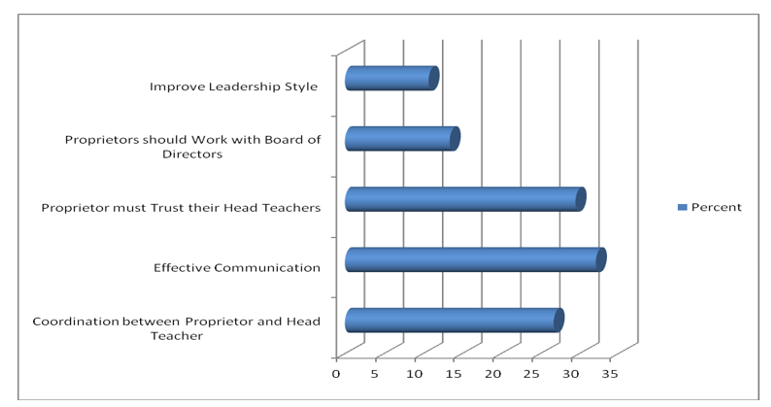
Figure 03: Ways of Minimizing Proprietor Interference in School Administration
The first objective of the study was to identify the reasons why school proprietors interfere in the day-to-day administration of their schools. The objective was to help bring to light why there is high or low proprietor interference in the day- to- day running of private schools in the study area. The analysis points out that the main reasons why proprietors exhibit high interference in day-to-day administration of their schools include: For raising of standards in the school for widespread recognition of academic success; to meet both students’ and parents’ needs as clients of the school; for effective control of school finances, accountability and effective business management; for maintenance of high standards for the school; To help achieve the school vision and mission; and to gain strength for competitive advantage and goodwill. Among these factors, the top three leading causes of proprietor interference in the effective administration of their schools are: For effective control of school finances, accountability and effective business management; for raising of standards in the school for widespread recognition of academic success and to gain strength for competitive advantage and goodwill. It could be seen that proprietors on their own have compelling reasons for always trying to interfere in the administration of their schools. The findings contradict [21] who reported that profit motive was the primary reason for proprietor interference in school administration. The present study has revealed that, even though making profit is one of the leading causes of school proprietor interference in school administration, the main reason as far as the respondents are concerned was to ensure effective management and high academic standards. The second objective of the study was to ascertain the extent of proprietor interference in the day-to-day administration of their schools. The results indicate that proprietors exhibit high degree of interference in the day-to-day administration of their schools. It could be traced to the fact that proprietors want their schools to flourish and gain a competitive edge in the field of business. The findings of the present study are in line with the statement of [22] that proprietor interference is high in private schools and that some proprietors act like managers instead of the proprietors that they are. The third objective of the study is to examine the relationship between proprietor interference and school administration. Pearson product moment correlation was run between proprietor interference and its effect on effective school administration. It was found that there is a significant negative correlation (R = – .460, P = .000 < 0.05) between proprietor interference and effective school administration. It indicates that proprietor interference in the day -to- day administration of their schools affects effective administration negatively. In view of that, the hypothesis “H0 = There is a significant relationship between proprietor interference and school administration” shouldn’t be rejected. In addition, the study found that there is an inverse relationship between proprietor interference and administration of the private school. The results indicate that proprietor interference reduces about 21.2% (R2 = .212, AdjR2 = .205, p < 0.05) of effective school administration. These findings are in agreement with [23], who reported that interference has a significant negative effect on effective school management in the areas of recruitment and quality of teaching. The results of the study show that proprietor interference adversely affects school administration. The fourth objective of the study was to identify ways of minimizing proprietor interference in day-to-day school administration. These results indicate that proprietors can only minimize their interference in the administration of their schools by ensuring that they effectively communicate with the headteachers of their schools. These findings agree with [24] who reported that lack of mutual understanding and co-operation among educational management personnel has a negative impact on the smooth operation of an educational institution. It means that it is through effective communication between school proprietors and their headteachers that the proprietors will better understand their role in the organizational scheme of things and consequently minimize their exhibition of high interference in the management of their schools.
- CONCLUSION
The study sought to examine proprietor interference in day-to-day school administration in private basic schools in the Nhyiaeso Constituency. The study was specifically designed to ascertain the effect of proprietor interference on effective school administration. The study adopted the correlational study design to address the study questions. A sample of 216 respondents made up of 6 proprietors, 16 headteachers/deputy headteachers and 195 teachers were used for the study. Questionnaire was the principal tool used for data collection. Mean and Standard Deviation were used for the descriptive statistics while correlation and regression analysis were used for the inferential statistics. The findings were summarized as follows: The first objective of the study was to identify the causes of proprietor interference in day-to-day school administration. The study found that proprietors interfere in the day-to-day administration of their schools and that the top three leading factors responsible for their interference are: For effective control of school finances, for accountability and effective business management. For rising of standards in the school for widespread recognition of academic success and to gain strength for competitive advantage and good name. The second objective of the study was to ascertain the extent of proprietor interference in day-to-day school administration. The study established that there is a high extent of proprietor interference in the day- to -day administration of their schools. Thus, there is a high extent of proprietor interference in day-to-day school administration because proprietors want to ensure that their schools remain competitive for the unforeseeable future to be able to attract more students. The third objective of the study was to ascertain the relationship between proprietor interference and its effect on school administration. Pearson product moment correlation was run between proprietor interference and its effect on school administration. The result indicates that there is a significant negative correlation between proprietor interference and effective school administration. Therefore, the regression analysis shows that there is an inverse relationship between proprietor interference and school administration, and that proprietor interference reduces about 21.2% of effective administration and management of private schools. The study therefore established that proprietor interference has a negative effect on effective school administration. The fourth objective of the study was to identify ways of minimizing proprietor interference. The respondents suggested that proprietors could only minimize their interference in the administration of their schools by ensuring that they effectively communicate with and have greater confidence in the administrative capabilities of the headteachers of their schools. The study sought to examine school proprietor interference in day-to-day administration of private basic schools in the Nhyiaeso Constituency. The study was designed to ascertain the effect of proprietor interference on effective school administration. It also looked at the causes and extent of proprietor interference in school administration. The study found that there is a high extent of proprietor interference in the day- to -day administration of their schools, and the main reasons for their doing so were: for effective control of school finances, for accountability and effective business management; for raising of standards in the school for widespread recognition of academic success; and To gain strength for competitive advantage and good name. Thus, proprietors’ fear of the mismanagement of their schools’ resources and the loss of their schools’ position in the competitive business environment as well as their desire to ensure high academic standards lead them to exhibit a high degree of interference in the day-to-day administration of their school. The foregoing notwithstanding, the study found that there is a significant negative correlation between proprietor interference and effective school administration and that proprietor interference reduces about 21.2% of effective administration and management of private schools.
- RECOMMENDATIONS
Based on the findings of the study, the following recommendations were made:
- The National Inspectorate Board should include in its requirements for school registration and licensing the setting up of an advisory board, whose membership includes educationists, to help support education matters in the school.
- The Ghana Education Service should team up with the Ghana National Association of Private Schools and other private school associations in Ghana to run periodic workshops on school administration for school proprietors in order to help them better understand their role.
- School proprietors should have confidence in the administrative capabilities of their headteachers and should also communicate effectively with them all the time.
REFERENCES
- Capas, T. Towards a Critical Pedagogy in the Context of Indigenous Peoples’ Literacy. Towards a Peoples’ Alternative Regionalism, 41.
- Torre, A. L. D., Sy, M. P., & Arzadon, M. M. E. (2025). Towards indigenising Philippine concepts of disability: a phenomenology of disability among the Ayta Sambal. Rural Society, 1-17.
- Arzadon, M. M., Tiro-dexter, D., Borela, L., Seva-nina_faye, N. F., & Alvina, M. K. Co-Producing Multilingual Big Books through Service Learning.
- Arzadon, M. M. E. (2020). The Making of Transformative Teacher Intellectuals: Implications for Indigenous People Education. Asian Journal on Perspectives in Education, 1, 1-10.
- Cucio, M. R. R., & Roldan, M. D. G. Z. (2020). Inclusive education for ethnic minorities in the developing world: The case of alternative learning system for indigenous peoples in the Philippines. European Journal of Sustainable Development, 9(4), 409-409.
- Hipolito, V. V. (2019). Effectiveness of indigenized learning module for Grade II Ayta pupils. Asian Journal of Multidisciplinary Studies, 2(2), 107-118.
- Esperanza, E. C. TEACHING STRATEGIES AND INSTRUCTIONAL MATERIALS IN TEACHING INDIGENOUS LEARNERS: BASIS FOR MODULE DEVELOPMENT.
- Cucio, M. R. R. (2019). Indigenous peoples’ education and cultural rights: The interface of the Ayta nin Sambales’ learning system and the indigenous peoples’ education framework of the Department of Education.
- Pecson, R. R. (2024). Immersion experiences of teacher education students in conducting Indigenous studies. Asian Journal of Community Services, 3(10), 10-55927.
- Valenzuela, J. M. R., Gamboa, S. C. P., Hicban, M. B., & Martinez, A. A. S. Exploring the Experiences and Practices of Elementary Teachers in the Aeta Tribal Community: Revealing their Worth towards Excellence in Education. International Journal of Multidisciplinary Research (IJAMR), 6, 467-476.
- SABRINA, O. (2025). EXPLORING EFL LEARNERS STORIES IN THE CLASS PLUS PROGRAM AT SENIOR HIGH SCHOOL: A NARRATIVE INQUIRY(Doctoral dissertation, UIN RADEN INTAN LAMPUNG).
- Valentos, H. L., & Junsay, M. (2025). Voices from the field: A narrative case study on inclusive education as reflection for practice, policy, and research. Mindoro Journal of Social Sciences and Development Studies, 2(1), 52-65.
- SARALIA, S. A. (2024). A NARRATIVE INQUIRY OF STUDENTS’EXPERIENCES IN LEARNING LISTENING AT SECOND SEMESTER OF ENGLISH EDUCATION DEPARTMENT OF UIN RADEN INTAN LAMPUNG IN ACADEMIC YEAR OF 2023/2024(Doctoral dissertation, UIN RADEN INTAN LAMPUNG).
- Orcales-Tabile, D. (2024). Lived Experiences of Non-Indigenous Teachers in an Aeta Community: A Phenomenological Study. International Journal of Multidisciplinary: Applied Business and Education Research, 5(5), 1492-1500.
- Yudianti, I. G. A., Hasanah, T., & Rusydi, L. N. (2025). The Effectiveness of E-Comic Media in Science Learning to Enhance Students’ Learning Interest: Insights from Ayat Kauniyah. Al-Mudarris (Jurnal Ilmiah Pendidikan Islam), 8(2), 235-248.
- Chou, C. M., Shen, T. C., Shen, T. C., & Shen, C. H. (2022). Influencing factors on students’ learning effectiveness of AI-based technology application: Mediation variable of the human-computer interaction experience. Education and Information Technologies, 27(6), 8723-8750.
- Zaman, S. F. (2024). Moral of the Story: Secondary Language Arts Teachers’ Perceptions of Students’ Moral Intelligence(Doctoral dissertation, University of South Florida).
- Nursyamsiah, N., Maulani, H., & Khalid, S. M. (2021). Stylistics of Nida Ilahi and Its Implications in Character Learning. Jurnal Al Bayan: Jurnal Jurusan Pendidikan Bahasa Arab, 13(2), 353-368.
- Hipolito, M. F. G. (2024). A systematic literature review of the significance of the School of Living Tradition in the preservation of cultural heritage of the Indigenous Peoples. International journal of multidisciplinary: applied business and education research, 5(2), 605-614.
- Fatihin, K. (2019). Pola Interaksi Guru Dengan Peserta Didik Perspektif Alquran Surah Luqman Ayat 12-19. Jurnal Pendidikan Islam, 5(2), 201-214.
- Salma, K. (2026). Cultivating Environmental Awareness through Ayat Kauniyah-Based Ecopedagogy: A Qualitative Study in an Indonesian Islamic Junior High School. AL-ADABIYAH: Jurnal Pendidikan Agama Islam, 7(4), 539-558.
- Tytler, R. W., Monroe, M. C., Eames, C., & White, P. J. (2025). Expanding the Scope of Science Education to Engage with Anthropocene Challenges. Research in Science Education, 55(4), 1129-1147.
- Nwisane, C. B. (2023). Interference of the Political Class in Public Senior Secondary School Leadership in Rivers Southeast Senatorial District of Rivers State.: EDUCATIONAL MANAGEMENT. International Journal of Educational Management and Innovation, 4(1), 14-27.
Publication History
Submitted: June 21, 2025
Accepted: July 24, 2025
Published: September 30, 2025
Identification
D-0525
DOI
https://doi.org/10.71017/djsi.4.09.d-0525
Citation
Emmanuel Kwabena Arthur Frimpong (2025).Proprietor Interference in Day-To-Day School Administration: A Study of Private Basic Schools in The Nhyiaeso Constituency. Dinkum Journal of Social Innovations, 4(09):702-716.
Copyright
© 2025 The Author(s).