Vol. 5 No.01 (2026) | Page: 1-14 | Original Article 
Assessing the Effects of Training and Development Programs on Administrative Staff Performance: A Comparative Study of Bolgatanga Polytechnic and The Tamale Polytechnic
Mohammed Adam Wumbei 1*
-
- Faculty Of Education, University for Development Studies (UDS), Tamale, Ghana.
 madamwumbei@gmail.com




ABSTRACT
Background: Administrative staff training refers to programs designed to provide staff of that institution or organization with information, new skills, or professional development opportunities while at work at the institution.
Objective: This study assessed the effects of training and development programs on administrative staff performance in comparative study of Bolgatanga Polytechnic and the Tamale Polytechnic.
Methods: Using a descriptive cross-sectional survey and mixed-method approach, data were collected from 55 administrative staff through structured questionnaires. Simple random sampling ensured equal participation opportunities.
Results: Respondents female (60%) married (60%), and aged 31-35 years (32.5%) polytechnics operated similar staff development policies, including eligibility for study leave after three years of service and support through workshops, seminars, conferences, scholarships, and training programs. Key barriers included inadequate funding (40%), insufficient technical resources (27%), and inadequate human resources (20%).
Conclusion: The purpose of training and development programs is to improve employee capabilities, when the organization invests in improving the knowledge and skills of its administrative staff, the investment is returned in the form of more productive and effective employees.
Keywords: tamale polytechnic, performance, administrative staff, training, Ghana
Key points:
- Do training and development programs improve administrative staff performance at Bolgatanga and Tamale Polytechnics?
- Inadequate funding is the leading reported barrier to staff development, affecting 40% of respondents.
- Polytechnic administrators should invest in staff training and resources to strengthen employee capabilities and organizational productivity.
- INTRODUCTION
Globally training and development are the two inextricable keys in the course content of every facet of human life [1]. It is established that these two inextricable keys are not only restricted to administrative staff in higher institutions of study but also to all business organizations that seek prosperity and sustainability of business activities. In the world, training and development have been identified as a basic necessity in every work place. Without it, several researchers have mentioned that administrative staff would not have a firm grasp on their responsibilities in the work place. Even if they have, performance will not be so much achieved [2]. Administrative staff training refers to programs designed to provide staff of that particular institution or organization with information, new skills, or professional development opportunities while at work at the institution [3] training and development is a process that attempts to provide employees with information, skills and understanding of the organization and its goals. Additionally, training and development aids an employee to continue to make the necessary positive contribution to the success of employing organization in terms of his/her good performance on the job [4]. Researchers have established that newly recruited administrative staff in most organizations or institutions very often than not, do not have the needed skills and techniques to effect change positively in the organization and hence do not perform to the admiration of all unless with minimal coaching [5]. It is thus very important that training programs are organized for administrative staff to widen their knowledge on the job concerning the area they are called to duty. One major cause of lack of training and development programs in most institutions in Africa is the poor managerial skills exhibited by some managers in certain institutions or organizations especially state own where training and development programs for administrative staff is often viewed as less important [7]. More and more companies of all sizes have embraced “continual learning” and other aspects of training and development as a means of promoting administrative staff growth and acquiring a highly skilled work force [8]. In fact, the quality of administrative staff and the continual improvement of their skills and productivity through training are now widely recognized as vital factors in ensuring the long-term success and profitability of small businesses [9]. The goal of training is for administrative staff to master the knowledge, skill, and behaviors emphasized in training programs and to apply them to their day-to-day activities [10]. Today, training is being evaluated not on the basis of the number of programs offered and training activity in the company, but on how training addresses business needs related to learning, behavior change, and performance improvement [11]. In fact, training is becoming more performance-focused. That is, training is used to improve administrative staff performance, which leads to improved business results. Training is seen as one of several possible solutions to improve performance [12]. Globally, the effect of training and development and its relation to newly recruited staff in every organization has been met with great support [13]. Administrative staff that performs very badly especially when it comes to performance assessment with customers has not been trained on working ethics and rules of the organization. In Ghana, more employees are usually found in most organizations with less productivity probably due to lack of training and development programs to enhance their skills [13]. With rapid changes in technology and varying demands of problems in every institution it is imperative that training and development programs of administrative staff be taken seriously to enhance quality and satisfaction of the institution [14]. In most organizations in Africa, a cross sectional survey of banking institutions revealed that most of the banks did not organize training programs for their staff upon assumption of duty [15]. One thing that was however, obvious was the usual orientation that newly recruited staff was made to go through in the banks premises before being allowed to carry out their work [16]. In Nigeria, most tertiary institutions did not organize development programs for their staff and newly recruited staff. What they were doing however was to grant them leave with or without pay depending on the program under study [17]. While in some organizations there are no plans and systems in respect to training and development programs for administrative staff, others have training and development policy that are documented and hence go through the cycle of identifying training needs, design training activities, facilitate training and measure or evaluate training results but often not effective in the institutions especially in African countries [2,5]. In the Tamale Polytechnic for instance, training and development programs have been reported to be always minimally planned and unsystematic [18]. Training programs at the Tamale Polytechnic is usually organized on departmental basis and may be intensive or less intensive depending on the nature of the work [19]. It looks like majority of the administrative staff are not trained upon appointment most especially employees that are not part of taking certain decisions at the Polytechnic. As a result, administrative staff skills and abilities have over the years not been enhanced to enable them become effective and efficient at work place [20]. Likewise, in the Bolgatanga Polytechnic, being a relatively younger as compared to other Polytechnics in the country, funds for organizing training and development programs for administrative staff has not been regular as the institution still struggles to overcome its major challenges of infrastructure and other areas of growth [21]. The main objective of the study is to assess the effects of training and development programs on administrative staff performance; a comparative study of Bolgatanga Polytechnic and the Tamale Polytechnic.
- MATERIALS AND METHODS
The study employed a descriptive cross-sectional survey designed using questionnaire to generate data. The study employed mixed approach for data collection, the study population comprised administrative staff of the two institutions that were willing to participate in the study. Twenty-five N=55 respondents were sampled from the Bolgatanga Polytechnic and N=30 respondents from Tamale Polytechnic. Inclusion criteria include any gender, administrative staff who were available, heads of training and development units & administrative staff who were willing to be used as respondents A sample size of N=55 respondents was used for the study. In the Bolgatanga Polytechnic, the number of administrative staff who was available at the time of the research, 29 was expressed as a percentage of the total number of administrative staff 115, and from the results a figure of 25 was obtained. That figure was used as the sample size in that Polytechnic. In Tamale Polytechnic, the number of administrative staff who was available at the time of the research, 45 was expressed as a percentage of the total number of administrative staff 152.Therefore, 30 administrative staff were proportionately sampled. Simple random sampling technique was used to sample the administrative staff at the two institutions. This sampling technique was chosen to give each administrative staff in the two institutions an equal chance of being selected for the study. One research assistant who had an in-depth knowledge in the research topic under investigation and had been in similar data collection activities before and a colleague in the University was contacted to assist me in the data collection for the period of the two weeks. The criteria used for the selection of the research assistant was based on the ability to speak and understand the English language fluently and having fair knowledge of the geographical setting of the study institutions because of the caliber of study population that were contacted as respondents. The researchers explained the purpose of the research to the administrative staff. Administrative staff gave their consent to participate in the study before the research instrument was administered. Structured questionnaires made up of close and open-ended questions were designed to obtain the required information. One set of questionnaire was designed and used for the data collection from two groups of respondents from two institutions; administrative staff at the Tamale Polytechnic and administrative staff at the Bolgatanga Polytechnic. The questionnaire for both institutions consisted of a set of 37 questions in five sections. Section A was made up of 5 questions on socio-demographic characteristics of respondents and were mainly close ended questions. Section B was made up of 10 questions concerning merits of training and development programs on administrative staff performance. Section C was made up 13 questions and was mainly opened questions and concerned with the relationship between training and development programs on administrative staff performance. Section D consisted of 5 questions and was mainly opened ended questions and concentrated on factors militating against the effective implementation of training and development programs for administrative staff. Section E was made up of four open ended questions which gave respondents the opportunity to express their own opinions and two closed ended which made it possible for them to tick. The policy framework of training and development in the two institutions was carefully examined for comparative analysis.
3.RESULTS & DISCUSSION
3.1. Demographic Characteristics Of Respondents
The demographic background of the respondents is shown in Table 01 with the following variables; age of respondents in years, sex, marital status, educational qualification and duration of stay in the Polytechnic as a staff.
Table 01: Demographic data
| Variable | Frequency | Percent |
| Age | ||
| 26-30 | 10 | 25.5 |
| 31-35 | 13 | 32.5 |
| 36-40 | 10 | 25.5 |
| 41+ | 7 | 17.5 |
| Sex | ||
| Male | 16 | 40.0 |
| Female | 24 | 60.0 |
| Marital status | ||
| Single | 16 | 40.0 |
| Married | 24 | 60.0 |
| Educational qualification | ||
| HND | 15 | 37.5 |
| Bachelor degree | 13 | 32.5 |
| Masters | 8 | 20.0 |
| PhD | 4 | 10.0 |
The mean age of the respondents in the study was 26.20 ± 3.21 (mean ± SD). With reference to Table 01, it can be seen that most of the respondents (32.5%) were in the age group (31 to 35) years old, 17.5% were 41 years or more and the rest were in the ranges showed in the table. From the results, 60% of the respondents were females and rest males. Majority of the respondents (60%) were married whilst the rest were single. Four (10%) had PhD as their highest qualification whilst 37.5% respondents had HND as their highest qualifications. The rests are shown in the table.
3.2 Policy On Training And Development Programs
The results of the study revealed that the two Polytechnics have similar concept of policy development on their staff capacity building.
Table 02: Policy on training and development
| Variable | Bolgatanga Polytechnic | Tamale Polytechnic |
| Qualification for study leave | ||
| Length of service | 3 years | 3 years |
| Staff development via | ||
| Workshops | Applicable | Applicable |
| Training | Applicable | Applicable |
| Conferences | Applicable | Applicable |
| Seminars | Applicable | Applicable |
| Scholarship | Applicable | Applicable |
| Staff personal development | With/without study leave | With study leave |
| Sabbatical leave | Senior members | 1 year senior members |
From Table 02, in the two Polytechnics staff development policy framework seeks to ensure that every employee who has served the Polytechnics for a minimum of three years qualifies for a study leave. As shown in the table, there was virtual no divergent in the Policy documents of the two Polytechnics. In a discussion with administrative staff at the two Polytechnic concerning staff development, staff were very emphatic, that staff development program or scheduled is depended on the positive participation of the individual staff involved. Senior members in-charge of the policy believe that, staff development is a shared responsibility. Administrative staff had the responsibility of developing their own knowledge by seeking opportunities to enhance their knowledge, skills and ability required of them in their current role. It was revealed that the two polytechnic have the discretion to exercise in the interest of appropriate development for staff for administrative performance. The two Polytechnics support their staff development in the areas of providing scholarships which are categorized as; GETFUND Scholarship, Government of Ghana Scholarship, Internally Generated Fund and Scholarships awarded by other bodies other than Government of Ghana. Providing feedback on the usefulness of staff development opportunities, use the appropriate performance and development process to discuss their personal development needs with their unit heads. Analyse administrative staff development needs on developmental basis and ensure that, the various departments have staff development plans that reflect the current and future needs of the department. The policy framework also showed that, sabbatical one year leave may be granted to Senior members after six years of continuous service without full time study leave. With the condition that grantees are required to return to the service of the Polytechnic for at least two academic years immediately after such leave. It was stated in the policy framework that granting of study leave with pay would be subject to the applicant meeting all the conditions spelt out in prioritizing staff for further studies subject to the approval of the Board. Administrative staff who served the Polytechnic for a minimum of two years may apply for study leave without pay for up to two years. Granting of such study leave would have to be subjected to the screening process for prioritization and further to the approval of the school Board. It was also showed in the policy framework, that the staff development policy will be reviewed every five years.
3.3 Merits Of Training And Development Programs
Table 03: Knowledge of existing training program
| Variable | Frequency | Percent |
| Yes | 10 | 25 |
| No | 30 | 75 |
| TOTAL | 40 | 100 |
Findings from the research revealed in Table 03 that 25% administrative staff from the two polytechnics said they were aware of training and development programs in the institutions while 75% administrative staff mentioned however, that they were not aware of any training and development programs for administrative staff at the two polytechnics. All the respondents stated that they knew the benefits of training and development programs for administrative staff. According to respondents training is normally a short process run that is organized in a systematic manner by authorities for subordinate while development they said is an initiative which comes from the administrative staff voluntarily and is long run in time period. This finding from the study concurs with the findings made by Ahmad and Bakar (2003) where almost all the staff interviewed on training and development programs for administrative staff had high knowledge on the impact of training and development programs for staff. Again, the research findings also agreed with the findings made by Megginson and Clutterbuck (2010) where bankers in Nigeria had a very high knowledge on the benefits of training and development programs for staff. According to the findings of the research, respondents stated that training and development programs for administrative staff improve knowledge and skills on the job. This finding from the study concurs with the findings made by Megginson and Clutterbuck (2010) where staff mentioned increased in productivity, reduces absenteeism and increases administrative feedback as the benefits of training and development programs. The benefits of training and development programs for administrative staff extend beyond the actual skills gained and their contribution to an individual’s productivity at the workplace. The participation of administrative staff in such training programs not only enhances the training process and results but also help in increasing motivational level of staff at workplace. All the respondents indicated the benefits of training and development programs to include; increase staff feedback, increase productivity and reduce absenteeism. This result from the study supports the findings made by Delaney and Huselid (2010) that well trained worker were able to make the best use of organizational resources along with minimum level of wastages in the organisation. From the findings, respondents mentioned that the effects of training on administrative staff performance can often encourage growth within the staff and the institution itself.
3.4 Relationships Between Training And Development Programs
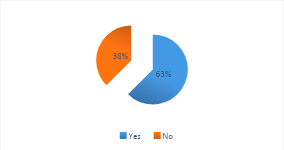
Figure 01: Training and development programs
From Figure 01, most (62%) respondents mentioned that there was a strong relationship between training and development programs for administrative staff and their performance at the polytechnic. According to them, effective training and development programs for administrative staff will aim at improving staff performance. In the context of respondents, training and development program involve designing and supporting learning activities that would result in a desired level of staff performance. This result from the study supports the study by Raymond (2010) that there was a relationship between training and development programs for administrative staff. While 38% respondents said by their own assessment, the polytechnic in which they were employed to work there were no training and development programs for administrative staff. It is important to emphasise that while training focuses more on current job duties or responsibilities, development points to future job responsibilities.
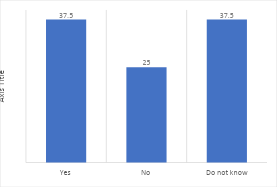
Figure 02: Current training and development programs
From Figure 02 shown above, 37.5% respondents mentioned that the training and development programs they had received would improve their performance, this result from the study supports Wright, Rita, and Geroy (2010) that training and development programs would improve staff performance, 25% respondents stated that the current training provided by the two polytechnics would not so much improve their performance while 37.5% mentioned that they do not know whether the current training and development programs they have had would improve staff performance or not. However, this result from the study is at variance with the findings made by Leonard-Barton (2010) where it was revealed that training and development programs have no relationship with employee job performance at the job place.
Table 04: Frequency of training and development programs at the two institutions
| Bolgatanga polytechnic | Tamale polytechnic | |||
| Variable | Frequency | Percent | Frequency | Percent |
| Rarely | 36 | 90 | 36 | 90 |
| Once a year | 4 | 10 | 4 | 10 |
| Total | 40 | 100 | 40 | 100 |
Development programs for administrative staff are rarely organised for staff, while 4% of administrative staff from the two polytechnics, representing 10% each, mentioned that training and development programs for administrative staff are organised once a year for staff. Among the latter, respondents mentioned again, that training and development programs for administrative staff are always in-service training. They all admitted to having participated in such training and development programs in the two polytechnics before. They further stated that the objectives for the training in their views were achieved with the cardinal aim of improving the skills and competence of staff.
Table 05: Types of training and development programs
| Variable | Frequency | Percent |
| Staff orientation | 2 | 5 |
| In-service training | 10 | 25 |
| External training | 8 | 20 |
| Refresher | 16 | 40 |
| Mentoring | 4 | 10 |
| Total | 40 | 100 |
From Table 05, 5% respondents mentioned that administrative staff orientation were the types of training and development programs that could improve staff performance in their views, according to them this is mainly concerned with acquainting new administrative staff with the Polytechnic. This training and development program is aimed at getting all new administrative staff familiarize with the organization’s goals, structure, culture, work standard and other conditions of employment at the Polytechnic. Forty percent respondents stated that refresher courses for administrative staff would improve staff performance, 25% respondents mentioned that in-service training, according to them, this is the most widely used training method used in most organizations and institutions in Ghana. As compared to others, the advantages of this method of training are simple and less costly to operate. Observing this method critically, the training normally takes places at administrative staff actual work situations and makes them appear to be immediately productive. It is normally a very close collaboration between authorities and administrative staff at the work place. Twenty percent respondents mentioned external training for administrative staff. According to them, this type of training aims at preparing administrative staff for the future. This enables administrative staff to take up higher responsibilities later at the same work place or at another place. This involves teaching administrative staff to perform the job for which they are hired or employed to do at the work place. Mostly, development programs meant for administrative staff aim to assist staff to acquire the necessary skills and experience for specific jobs ahead of them. While 10% respondents stated mentoring. Based on the various types of training and development programs for administrative staff as identified by respondents, it is good that any time an in-service training program is going to be organised for administrative staff in the Polytechnics, refresher courses would be the best as most respondents opted for such training programs. Adopting a method which is less in the view of administrative staff not best would only lead to poor performance of results at work place and waste of resources.
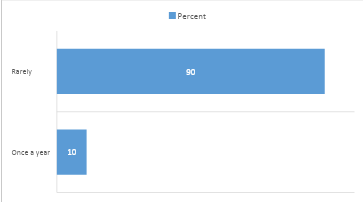
Figure 03: Frequency of the training and development programs
From Figure 03, 90% respondents mentioned that training and development programs for administrative staff were rarely organized in the polytechnics while 10% respondents mentioned that training and development programs for administrative staff were organized in the two polytechnics once a year. The purpose of training administrative staff is to improve their knowledge and skills, which improves their individual capability. Whether the training should be done is a kind of cost benefit calculation; the improvement in the administrative staff job performance should be greater than the cost of training the administrative staff. The cost of a training program includes the time and costs to develop the course, instructional materials, equipment, the wages of the trainers, and lost productivity of the administrative staff while they are in the training program. The benefits of a training program include time savings, improved productivity, and improved product or service quality.
Table 06: How frequent training and development programs should be organized
| Variable | Frequency | Percent |
| Once a year | 4 | 10 |
| Twice a year | 8 | 20 |
| Quarterly | 28 | 70 |
| Total | 40 | 100 |
The best way to develop training programs is to go through the training process. That is training needs identification, training plans and implementation, evaluation or training feedback. From Table 06, most of the respondent stated that training and development programs for administrative staff should be organized quarterly, 20% respondents mentioned that twice in a week while 10% respondents stated once a years. Organizations are complex systems, made up of many interacting processes and people. A decision in one functional area influences other functional areas. Understanding how all of these processes interact with each other is an essential aspect of the job of manager.
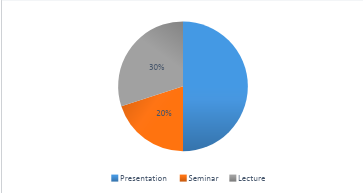
Figure 04: Preferred choice of training methods
From Figure 04 shown above, half of the respondents mentioned that their preferred choice of training and development programs for administrative staff should be presentation, 20% respondents opted for seminar while 30% respondents mentioned lecturing. Organizations are facing increased competition due to globalization, changes in technology, political and economic environments and therefore prompting these organizations to train their employees as one of the ways to prepare them to adjust to the increases above and thus enhance their performance.
3.5 FACTORS AFFECTING TRAINING AND DEVELOPMENT PROGRAMS
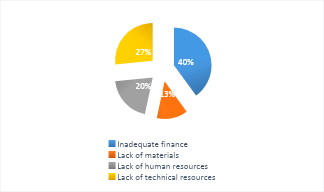
Figure 05: Example of challenges
Results from the study indicated that there are many examples of challenges confronting effective training and development programs for administrative staff in the two polytechnics. As shown in Figure 05, 40% respondents identified inadequate finance, 13% respondents stated lack of materials, 20% respondents mentioned lack of human resources and 27% respondents mentioned lack of technical resources.
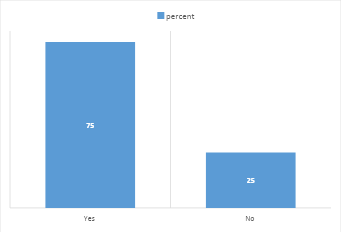
Figure 06: Ways of reducing challenges
From Figure 06, majority of the administrative staff (75%) mentioned that they were ways of reducing the challenges confronting training and development programs while 25% respondents said in their view there were no ways of reducing the challenges in the two polytechnics.
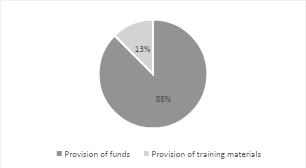
Figure 07: Examples of ways of reducing the challenges
As shown in Figure 07, majority of administrative staff (87%) mentioned that provision of funds for the polytechnics will assist the authorities provide effective training and development programs for staff not only few but a larger number of administrative staff who will contribute to the best performance at work while 13% respondents mentioned that provision of training materials. It is known that sometimes training and development programs are organized with little training resources, thus, provision of training materials will boost training and development programs at the two polytechnics.
- CONCLUSION
The research concludes that majority of the respondents had knowledge on the merits of training and development programs for administrative staff performance. The research concludes that most of the respondents had rarely received external training and development programs targeted at improving their job performance in the two polytechnics at the time of the study. The purpose of training and development programs is to improve employee capabilities and organizational capabilities. When the organization invests in improving the knowledge and skills of its administrative staff, the investment is returned in the form of more productive and effective employees. Training and development programs may be focused on individual performance or team performance. The creation and implementation of training and development programs has been linked to staff performance. Findings from the study revealed that the minimum age of the respondents was 26 years and maximum age was 43 years. The study respondents were made up of 55% females and 45% males. Majority of the respondents were married with 40% of administrative staff having HND qualification. The results further revealed that 60% respondents had been with the polytechnic between 3-4 years. All the study respondents knew the benefits of training and development programs for administrative staff as most of them identified that training and development programs would improve productivity and reduces absenteeism. Training and development programs for administrative staff at the two polytechnics were rarely organised. Majority of the respondents (70%) mentioned that the current training and development programs provided by the two polytechnics would not provide the needed staff performance at the two Polytechnics. Financing training and development programs for administrative staff was identified as a major setback.
- RECOMMENDATIONS
Merits of training and development programs on administrative staff performance, while training and development programs have been linked to administrative staff performance at the two Polytechnics of study, policy makers and authorities in the two Institutions of study could allow their staff to develop their skills and competence related to their various work by attending training and development programs either externally or internally. It is therefore, recommended that regular periodic training and development programs should be organised for administrative staff at the two Polytechnics to improve their performances as they themselves have identified the numerous benefits of training and development programs for administrative staff. It is also recommended that NGOs and other relevant organisations may assist the institutions to organise periodic training and development programs for administrative staff at least once every year to improve staff performance. Relationship between training and development programs and administrative staff performance: Relating training and development programs to administrative staff improves performance and changes their attitude at work place. It has been noted that providing the desire training and development programs for administrative staff would improve change of behaviour towards work. The research therefore, recommends that proper training and development programs methods like seminars and presentations should be used during programs to yields the needed skills for administrative staff to improve their skills and performance. Factors militating against the effective implementation of training and development programs for administrative staff: Financing training and development programs for administrative staff have been noted to be very difficult. Therefore, the research recommends that administrative staff should take up the challenge to development themselves by going for refresher courses that are normally organised outside their working environment.
AUTHOR CONTRIBUTION STATEMENT
Mohammed Adam Wumbei: Substantial contributions to the conception or design of the work; or the acquisition, analysis, or interpretation of data for the work, Drafting the work or reviewing it critically for important intellectual content; AND Final approval of the version to be published, and Agreement to be accountable for all aspects of the work in ensuring that questions related to the accuracy or integrity of any part of the work are appropriately investigated and resolved.
ACKNOWLEDGEMENTS: No specific individuals, institutions, or organizations contributed additional support or assistance requiring formal acknowledgement for this study.
DECLARATIONS:
Funding: This research received no specific grant, financial support, or funding from any public, commercial, or non-profit organization.
Conflicts Of Interest: The authors declare that there are no conflicts of interest, financial or otherwise, that could have influenced the research, analysis, or interpretation of the findings presented in this article.
Data Availability: The datasets and information used in this study are publicly available from the sources cited within the article. No proprietary or restricted data were used.
Generative AI Disclosure: Generative artificial intelligence tools were not used for generating research data, conducting analyses, or producing scientific conclusions in this study. The authors take full responsibility for the content and accuracy of the manuscript.
REFERENCES
- Iqbal, S., Hanif, M., & Khan, S. (2024). Impact of staff training on university productivity through job satisfaction: A study of ISO 9001-certified institutions. PLOS ONE, 19(7), e0306799. https://doi.org/10.1371/journal.pone.0306799
- Zwolińska-Glądys, K., Lorenc, S., Kowalska, N., & Pomykała, R. (2024). Higher education staff development: A need-oriented approach based on survey research. Scientific Reports, 14, 31455. https://doi.org/10.1038/s41598-024-83053-8
- Abdelwahed, N. A. A., & Al Doghan, M. A. (2023). Developing employee productivity and performance through work engagement and organizational factors in an educational society. Societies, 13(3), 65. https://doi.org/10.3390/soc13030065
- Irfan, M., Khurshid, N., Khurshid, J., & Khokhar, A. M. (2023). Human resource development and organisational performance: Evidence from Pakistan. SA Journal of Human Resource Management, 21, a2020. https://doi.org/10.4102/sajhrm.v21i0.2020
- Purba, F. T. R. (2025). Role of training and development source human resources in improving performance. Dinasti International Journal of Digital Business Management, 6(2). https://doi.org/10.38035/dijdbm.v6i2.4284
- Mustafa, B., & Lleshi, S. (2024). The impact of lifelong learning and investments in employee development on employee productivity and performance. Multidisciplinary Reviews, 7(8), e2024175. https://doi.org/10.31893/multirev.2024175
- Beier, M. E., Saxena, M., Kraiger, K., et al. (2025). Workplace learning and the future of work. Industrial and Organizational Psychology, 18(1), 84-109. https://doi.org/10.1017/iop.2024.57
- Wijga, M., Beausaert, S., & Kyndt, E. (2025). What drives workplace learning: A systematic review of key antecedents. Journal of Workplace Learning, 37(9), 90-113. https://doi.org/10.1108/JWL-05-2025-0119
- Khan, A. N., Soomro, M. A., & Pitafi, A. H. (2024). AI in the workplace: Driving employee performance through enhanced knowledge sharing and work engagement. International Journal of Human-Computer Interaction. https://doi.org/10.1080/10447318.2024.2436611
- Muis, A. M. R. A., Asis, A. H. B., Marinsah, S. A., et al. (2021). Review on training and development in human management. International Journal of Academic Research in Business and Social Sciences, 11(5). https://doi.org/10.6007/IJARBSS/v11-i5/10024
- Ismael, N. B., Othman, B. J., Gardi, B., et al. (2021). The role of training and development on organizational effectiveness. International Journal of Engineering, Business and Management, 5(3). https://doi.org/10.22161/ijebm.5.3.3
- Kaminsa, M. N. (2022). The effect of training and developing employees on the performance of an organisation. https://doi.org/10.5281/zenodo.7057335
Supplemental Material
No supplementary files, datasets, figures, or additional materials are associated with this study. Any information necessary to understand and evaluate the work is included in the main article.
Citation
Mohammed Adam Wumbei (2026). Assessing the Effects of Training and Development Programs on Administrative Staff Performance: A Comparative Study of Bolgatanga Polytechnic and The Tamale Polytechnic. Dinkum Journal of Social Innovations, 5(01): 01-14. https://doi.org/10.71017/djsi.5.01.d-0574
DOI
https://doi.org/10.71017/djsi.5.01.d-0574
Identification
D-0574
Publication History
Submitted: 23-07-2025
Accepted: 14-08-2025
Published: 31-01-2026
Copyright
© The Author(s) 2026
Publishing License

 This is an Open Access article distributed under the terms of the Creative Commons Attribution (CC BY 4.0) License .