

Vol. 5 No.02 (2026) | Page: 63-77 | Original Article 
The Clinical Respiratory Score Predicts the Need for Pediatric Critical Care in Children with Respiratory Distress
Nirmal Nagarkoti 1*, Subhana Thapa karki 2, Najala Khatun 3, Season Rawal 4, Abhishek Mishra 5, Pooja Acahrya 6
-
- MD Pediatrics, National Academy of Medical Science (Bir Hospital Kathmandu), Nepal.
- Associate Professor, National Academy of Medical Science, Nepal.
- Assistant Professor, National Academy of Medical Science, Nepal.
- MD Medicine, Kathmandu University Nepal.
- Institute Of Medicine Teaching Hospital Tribhuwan University, Nepal.
- Tribhuwan University Nepal.
 nirmalnagarkoti123@gmail.com




ABSTRACT
Background: Respiratory illnesses are highly prevalent in low- and middle-Income Countries (LMICs), such as Nepal, India and Pakistan. Respiratory distress is a common presenting complaint in children brought to the Emergency Department (ED).
Objective: this study seeks to assess the necessity of critical care in children experiencing respiratory distress.
Methods: This was a cross-sectional study and was conducted in Kanti Children Hospital, emergency department Maharajgunj, Kathmandu, Nepal, for a period of one year. The study population was all children aged between 1 month to 14 years of age who presented to the emergency department. A total of N= 65 children, with a majority being male (73.8%), were included in the study.
Results: The results revealed a strong association between clinical dispositions to the PICU or pediatric intermediate care unit (PIMCU) and the severity of the initial Clinical Respiratory Score (CRS), with a p-value of 0.006. The initial presentation at the time of hospital admission with a Clinical Respiratory Score (CRS) exceeding >6 demonstrated a strong predictive value for assessing admission to the PICU.
Conclusion: It should be taken into consideration for inclusion in emergency department triage protocols to enable timely and effective management and disposition in intensive care.
Keywords: respiratory score, pediatric critical care, respiratory distress
Key points:
- Can the initial Clinical Respiratory Score identify children with respiratory distress who require pediatric critical care?
- An initial Clinical Respiratory Score above 6 predicts pediatric intensive care admission.
- Incorporating Clinical Respiratory Scores into emergency triage protocols may improve timely identification and disposition of critically ill children.
- INTRODUCTION
Acute respiratory infection (ARI) is the single largest contributor to under 5- year-old mortality. Respiratory distress can present in a variety of ways, ranging from increased respiratory rate, cough and wheezing to intercostal recessions and cyanosis. Respiratory illnesses are highly prevalent in low- and middle-Income Countries (LMICs), such as Nepal India, and Pakistan and are a common cause of emergency department presentation [1]. According to World Health Organization (WHO), the annual number of acute respiratory tract illness related deaths in children less than five years old (excluding death caused by measles, pertussis and neonatal deaths) was about 2.1 million which contribute about 20% of all childhood deaths [2]. Total 7,96,709 children were identified to have ARI in the fiscal year (2076/77), which was 594 per 1000 under 5 years children out of which 16.2% were categorized as pneumonia cases and 0.22% were severe pneumonia cases. Similarly, an estimated 30,13,891 under 5 children were estimated to have been prone to ARI [3]. The Clinical Respiratory Score (CRS) comprises several predictors of respiratory distress, for example, a child’s color, respiratory rate, presence of wheeze, use of accessory muscles, mental status and oxygen saturation. Since the CRS involves simple observations, it requires minimal resources and can be done in a very low cost and is therefore well suited to low- and middle-income countries like Nepal [1]. The sensitivity and specificity of CRS >3 in predicting outcome were 94% and 40% ,respectively ,with a positive likelihood ratio of 1.6 and negative predictive value of 94%.1Initially, the CRS was introduced and assessed in a high-income country environment with a study involving over 300 patients aged 1 to 18 years who presented to the Emergency Department (ED) with symptoms indicative of reactive airway disease/asthma. Further validation was conducted specifically for presentations related to acute chest syndrome in patients with sickle cell disease in the United States [4]. Additionally, in 2018, in Karachi, Pakistan, it was further validated that the clinical respiratory score effectively predicts the disposition of pediatric critical care in children experiencing respiratory distress upon presentation to the emergency department [1]. This study is interested in testing a score based on simple measures, applicable across the children with the ability to detect any sort of severe respiratory illness likely to require additional support [5]. The CRS has not been validated in low- and middle-income countries (LMICs) for respiratory distress presentations originating from primary respiratory or non-respiratory conditions, except in Pakistan [1]. Distinguishing it from various other assessment tools, the CRS includes variables that could potentially facilitate its use in both asthma and non-asthma-related cases of respiratory distress in children, such as bronchiolitis, pneumonia, croup, foreign body aspiration, and others. Our goal was to evaluate the predictive effectiveness of the CRS in anticipating decompensation in these scenarios. A descriptive cross-sectional study was conducted at Kanti children hospital from January 2017 to December 2017. They extracted data of 5128 admitted children from hospital records, and they found that respiratory illness was the most common reason (around 26% cases) for admission in hospital. Clinical respiratory score based on simple measures and applicable in all pediatric age group with ability to detect severity of illness thus it will be also helpful as a utility tool for triage in emergency department in near future and reducing the admission cases in hospital [6]. In our research limited country, clinical respiratory score will help in the various spectrum which requires basic skill and minimum training to health workers for evaluating the children. This helps with the quick decision in the management of severely ill children. Though mortality is highest in the first 48 hours of presentation, early stabilization and prompt disposition of critically ill children to intensive care unit decreases the mortality and morbidity of children. While respiratory distress is frequently observed in children, there is a dearth of comprehensive studies on scoring systems in our country for promptly determining the allocation of intensive care units. In our current system, patients are arbitrarily assigned to either intensive care or other wards based on clinical judgment by doctors, lacking a definitive scoring system for intensive care unit disposition. The utilization of a clinical respiratory score aids in the categorization and allocation of patients, serving as a valuable triage tool in the emergency department. Implementing the Clinical Respiratory Score (CRS) in clinical decision-making assists healthcare professionals in promptly identifying cases that may not require intensive care. This approach helps prevent unnecessary admission, leading to optimized resource utilization. Furthermore, the CRS plays a crucial role in pediatric emergency settings, enabling timely interventions for individuals requiring intensive care while avoiding undue strain on intensive care resources for cases that can be effectively managed elsewhere. Consequently, this study seeks to assess the necessity of critical care in children experiencing respiratory distress. Acute respiratory illnesses (ARIs) are the most common causes of both morbidity and mortality in children under five, it occurs in average three to six episodes of ARIs annually. Upper respiratory tract illness are the most common infectious diseases. It includes rhinitis (common cold), sinusitis, ear infections, acute pharyngitis, epiglottitis, and laryngitis. The vast majority of URIs have a viral etiology. Rhinoviruses account for 25 to 30 percent of URIs; respiratory syncytial viruses (RSVs), parainfluenza and influenza viruses, human metapneumovirus, and adenoviruses for 25 to 35 percent; corona viruses for 10 percent; and unidentified viruses for the remainder. The most common lower respiratory tract infections are pneumonia and bronchiolitis [7]. Respiratory distress results when breathing does not match the body’s metabolic demand for oxygen due to failure of oxygenation and/or ventilation. Respiratory distress is typically characterized by signs of increased breathing, such as tachypnea, use of accessory muscles, and/or retractions. Head bobbing, nasal flaring, and grunting are additional signs more commonly seen in very young children [8]. Acute respiratory infections (ARIs) are categorized into upper respiratory tract infections (URIs) and lower respiratory tract infections (LRIs). URIs involve the airways from the nostrils to the vocal cords in the larynx, including the paranasal sinuses and the middle ear. LRIs encompass the portions of the airways that extend from the trachea and bronchioles and alveoli. It’s important to note that ARIs can affect not only the respiratory tract but also have systemic implications [9]. This study predicted the need of pediatric critical care in children with respiratory distress presented to the emergency department by using clinical respiratory score.
- MATERIALS AND METHODS
This was a cross-sectional study and was conducted in Kanti Children Hospital, emergency department Maharajgunj, Kathmandu, Nepal for a period of one year. The study population was all children aged between 1 month to 14 years of age who presented to the emergency department. Sample size was calculated by using the formula
n = Zα2 PQ /d2
Were,
n = required sample size
Zα = z deviate corresponding to desired reliability level (1.96) for 95% reliability
P = estimated proportion in the population
Respiratory distress score was calculated using power =80%
- P= 80%
- Q = 100-80= 20%
- d = maximum tolerable error
If d was taken as 7,5% the sample size will be 109
If d was taken as 10%, the sample size would be 61,
The minimum sample size was N= 61. However, as many as 109 cases were taken to increase the strength of the study. All children presenting with respiratory distress were enrolled. A predesigned and pretested proforma were used as a data collection tool. The children presenting with respiratory distress aged 1month to 14 years were included in the study. The details and the purpose of the study were fully explained to the parents of enrolled children. Consent from the parents was taken before starting the study. The first clinical examination and evaluation was done by researchers on emergency department. The predesigned proforma was filled up by the researcher at the same time. The severity of illness was assessed clinically at the initial presentation, and the CRS score was obtained and labeled as CRS1.CRS 1 was determined by the respiratory rate, auscultary finding, use of accessory muscle, mental status, room air spo2 and skin color of all children before intervention.
Table 01: The clinical respiratory score was measured according to following respiratory score.
| Assess | Score 0 | Score 1 | Score 2 |
| respiratory rate | age<2 months<50
age 2 months to 12 months <40 age 1to 5years <30 age >5 years, <20 |
age <2 months 50 -60
age 2 months to 12months 40 -50 age 1 to 5years30- 40 age >5 years 20 to 30 |
age <2 months >60
age 2 months to 12months >50 age 1 to 5 years >40 age >5 years> 30 |
| auscultation | good air movement,
expiratory scattered, wheezing, or loose rales or crackles
|
depressed air movement,
inspiratory and expiratory wheezes, crackles or rales |
diminished or absent breath sound,
severe wheezing, rales/crackles or marked prolonged expiration |
| use of accessory muscle | mild to no use of accessory muscle
, mild to no retraction or nasal flaring in inspiration |
mild to moderate use of accessory muscle
, moderate intercostal retraction, nasal flaring |
severe intercostal and substernal retraction
, nasal flaring |
| mental status | normal to mildly irritable | irritable. agitated,
restless |
Lethargic |
| room air spo2 | >95% | 90 to 95% | <90% |
| color | Normal | pale to normal | cyanotic to dusky |
CRS Score obtaining 1 to 3 was categorized as mild category, CRS score obtaining 4 to 7 was categorized as moderate category and CRS score obtaining 8 to 12 was categorized as severe category. The initial presumptive diagnosis for respiratory distress, such as bronchiolitis, pneumonia, asthma, and so on, was recorded and standard management was done. A second CRS (CRS2) was obtained two hours after initiation of management according to the standard protocol of hospital in ED. Again, clinical status of enrolled children was determined and documented on the proforma like CRS1. Then, the children were disposed on the basis of the need of continuation of treatment. The children who fully recovered were discharged. The children who needed ventilatory support, inotropes , moderate or severe acute respiratory failure requiring non-invasive ventilation, pediatric respiratory distress syndrome, rapidly progressive pulmonary or airway diseases, high supplemental oxygen requirements, recent tracheostomy, acute barotrauma, foreign body aspiration, increased need for nebulized medications, requirement for extracorporeal respiratory support, and conditions involving abnormal contents in the pleural cavity or apnea observed by medical staff were admitted to PICU and those who needed continue monitory and oxygen supplementation were admitted to pediatric intermediate care unit(PIMCU).Those children who needed intravenous antibiotics were admitted to general ward. The final diagnosis and clinical disposition of each enrolled children were recorded on predesigned proforma. All the proformas were thoroughly reviewed for completeness of data. Data was entered and analyzed using SPSS software version 23. Data was presented in table, graphical and narrative form as per the requirement. Microsoft word and Excel were used to generate graphs, tables etc. The CRS was analyzed as a continuous variable (0–12) and also divided into 3 categories: mild (0–4), moderate (4-7) and severe (5–12). Frequency and percentages were calculated for categorical variables including clinical disposition, mortality and so on. Means and standard deviations were calculated for continuous variables. At a univariate level, a comparison was made between the groups (mild, moderate and severe) and the baseline demographics (such as age, gender) and clinical outcomes at disposition. Both the CRS scores, CRS1 and CRS2, were analyzed, as well as CRSΔ, the change in CRS. Association between the CRS scores initial (CRS1 and CRS2 scores) was explored. The association among groups (CRS1 and CRS2, CRS1 and disposition) was determined using student’s t-test for continuous variables (mean and standard deviation) and Pearson’s Chi square for categorical variables. Clinical disposition, mortality, frequency and percentages were considered categorical variable. A p-value of 0.05 was taken as significant. Sensitivities and specificities were calculated along with positive and negative predictive values (PPV and NPV) and likelihood ratio for positive and negative results at each score. All the data was password protected with access only to investigator (me) and supervisor. Patient identity was kept confidential and the data was destroyed after 5 years of completion of research. Before commencing data collection for this study, this proposal was submitted to the Institutional Review Board (IRB) of NAMS for taking first the ethical clearance. The will of the parents or the local guardians was fully respected and written consent was taken after fully explaining all the relevant details, its importance and implications. If children age above 7 years of old were recruited in the study accent was taken. Those who failed to provide consent and accent, and those who leave against medical advice for any reason were excluded from the study. Treatment and medical intervention were carried out according to hospital protocol and were not affected regardless of their choice of not participating in the study. Confidentiality of each case was maintained during and after the study.
3.RESULTS & DISCUSSION
This was a hospital based cross-sectional study conducted to study the need for pediatric critical care in children with respiratory distress presenting to the emergency department by using clinical respiratory score. This study was conducted over a period of 12 months in emergency department of Kanti Children hospital. In this study a total of 65 children aged between 1 month to 14 years fulfilling the inclusion criteria were enrolled.
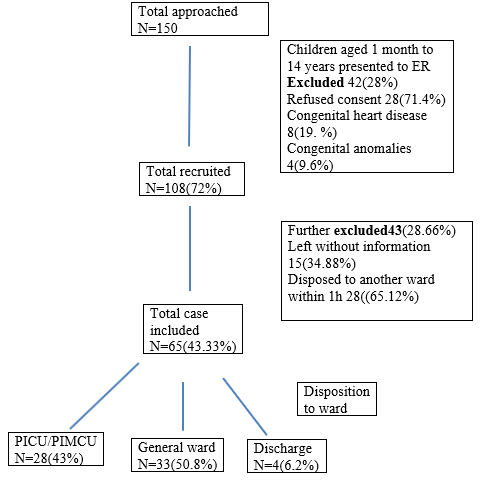 Figure 01: Flow diagram
Figure 01 showed Study participant enrollment and disposition flow diagram for patients presenting with respiratory distress to the pediatric emergency department at Kanti children hospital from September 2022 to August 2023.
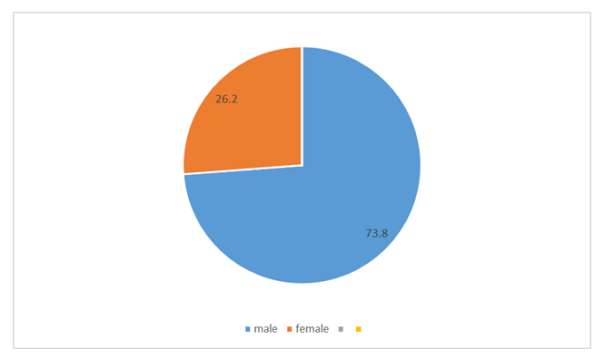
Figure 02: Pie chart showing sex distribution
The sex distribution in this study had a male preponderance. Male children were 48(73.8%) and female children were 17 (26.2%) with male to female ratio of 2.8:1.
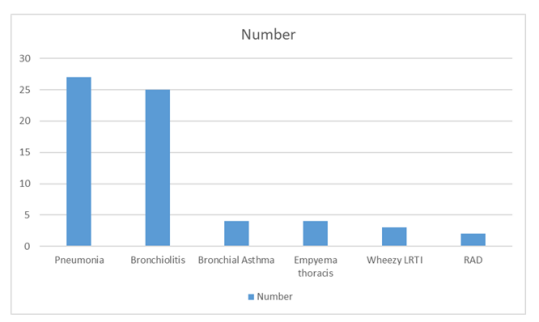
Figure 03: The frequency of disease among children
Among total 65 children, Pneumonia was found in 28 (43.07%) children, followed by Bronchiolitis in 25(38.46%).
Table 02: Age and Gender distribution among children
| Age Category | Male
N (%) |
Female
N (%) |
Total
N (%) |
| 1 Month – 1 year | 21(43.8) | 7(41.2) | 28(43.1) |
| 1 – 5 Year | 23(47.9) | 5(29.4) | 28(43.1) |
| 5 – 14 Year | 4(8.3) | 5(29.4) | 9(13.8) |
| Total | 48 | 17 | 65 |
The study showed that the age distribution was primarily concentrated in the age group below 5 years, and the gender distribution was predominantly among males.
Table 03: Clinical respiratory score in children presenting with respiratory distress at the time of presentation CRS1.
| CRS1 | 1 Month – 1 year
N (%) |
1 – 5 Year
N (%) |
5 – 14 Year
N (%) |
Total
N (%) |
| Mild (≤3) | 3(10.7%) | 3(10.7%) | 2(22.2%) | 8(12.3%) |
| Moderate (4-7) | 14(50.0%) | 21(75.0%) | 3(33.3%) | 38(58.5%) |
| Severe (8-12) | 11(39.3%) | 4(14.3%) | 4(44.4%) | 19(29.2%) |
| Total | 28 | 28 | 9 | 65 |
More than half of the total children had moderate CRS score (58.5%) at the time of presentation while, one third had severe CRS score (29.2%).
Table 04: Clinical respiratory score in children after 2 hours of initial management (CRS2)
| CRS2 | 1 Month – 1 year | 1 – 5 Year | 5 – 14 Year | Total |
| Mild (≤3) | 14(50.0%) | 20(71.4%) | 4(44.4%) | 38(58.5%) |
| Moderate (4-7) | 14(50.0%) | 8(28.6%) | 2(22.2%) | 24(36.9%) |
| Severe (8-12) | 0(0.0%) | 0(0.0%) | 3(33.3%) | 3(4.6%) |
| Total | 28 | 28 | 9 | 65 |
Two hours after initial management, more than half of the children had a mild CRS score (58.5%).
Table 05: Comparison between initial and subsequent CRS1 and CRS2 score
| CRS Type | Mild (≤3)
n% |
Moderate (4 – 7)
n% |
Severe (8 – 12)
n% |
| CRS1 | 8(12.3%) | 38(58.5%) | 19(29.2%) |
| CRS2 | 38(58.5%) | 24(36.9%) | 3(4.6%) |
Table 06: Comparison between initial and subsequent CRS1 and CRS2 score
| CRS Type | mean CRS(SD) | median CRS IQR | Mean CRS*
(SD) |
Median CRS*
(IQR) |
P* value |
| CRS1 | 5.9(1.9) | 6(5-8) | 2.4(1.5) | 3(1-3) | 0.001 |
| CRS2 | 3.4(3.0) | 3(2-5) |
CRS clinical respiratory score, SD standard deviation, IQR inter-quartile range, CRS* (change in CRS). The study indicates a statistically significant difference between initial clinical respiratory scores (CRS1) and scores 2 hours after initial management (CRS2), with a p-value<0.001, suggesting an effect of the treatment on children’s respiratory conditions. The highest sensitivity and specificity, recorded at 69% and 77.8%, respectively, were observed when the Clinical Respiratory Score (CRS) had a cutoff value exceeding 6 at the time of presentation, resulting in an NPV of 75.6%. Cases with a CRS cutoff value higher than 6 were three times more likely to be admitted to the Pediatric Intensive Care Unit (PICU).
Table 07: Reference Table for calculation of Sensitivity
| PICU | CRS ≤6 | CRS>6 | P-value | Sensitivity (TP/(TP+FN) *100) |
Specificity (TN/(TN+FP)) | Positive predictive value (PPV) (TP/(TP+FP) *100) |
Negative predictive value (NPV) (TN/(TN+FN) *100) |
| Yes | 8(22.2%) (TP) | 20(69.0%) (FP) | 0.0001 | (8/ (8+28) *100) =22.2% | (9/ (9+20) *100) =31.0% | (8/ (8+20) *100=28.5% | (9/ (9+20) *100=31.0% |
| No | 28(77.8%) (FN) | 9(31.0%) (TN) | |||||
| PICU | CRS>6 | CRS≤6 | P-value | Sensitivity (TP/(TP+FN) *100) |
Specificity (TN/(TN+FP)) | Positive predictive value (PPV) (TP/(TP+FP) *100) |
Negative predictive value (NPV) (TN/(TN+FN) *100) |
| Yes | 20(69.0%) (TP) | 8(22.2%) (FP) | 0.0001 | (20/ (20+9) *100) =69.0% | (28/ (28+8) *100) = 77.8% | (20/ (20+8) *100) = 71.4% | (28/ (28+9) *100) = 75.6% |
| No | 9(31.0%) (FN) | 28(77.8%) (TN) |
Table 08: Association between initial CRS 1 and pediatric critical care disposition
| Clinical Disposition | clinical respiratory score 1 | |||||
| Mild (≤3) | Moderate (4-7) | Severe (≥8) | Total | P value | ||
| PICU/PIMCU | 2(25.0%) | 11(28.9%) | 15(78.9%) | 28 | 0.006* | |
| General Ward | 5(62.5%) | 24(63.2%) | 4(21.1%) | 33 | ||
| Discharge | 1(12.5%) | 3(7.9%) | 0(0.0%) | 4 | ||
The results revealed a significant association with a P value 0.006 between CRS1 category and patient disposition. A significant number of severe cases (CRS score ≥8) were admitted to the PIMCU/PICU. Hence there was a significant association of severe cases of respiratory distress with CRS≥8 with admission to PIMCU/PICU.
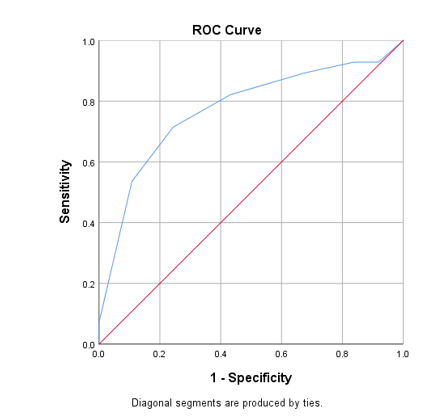
Figure 04: Receiver operating characteristic (ROC) curve generated with CRS1
Figure 04 shows receiver operating characteristic (ROC) curve generated with CRS1 as the test variable to predict PICU admission. The area under the ROC curve was 0.772 (95% CI: 0.650–0.894). For a cutoff score of >6 Sensitivity and 1-Specificity were 71.4% and 24.3%, respectively, in predicting PICU admission. The higher the score, the higher the probability of PICU admission. The Clinical Respiratory Score (CRS), initially designed and validated for pediatric asthma cases in emergency departments (EDs) of high-resource countries, has shown its versatility [4].
- DISCUSSION
This study reveals that CRS can effectively apply to different scenarios, including low-resource countries and a broader range of pediatric respiratory distress causes, not limited to asthma. One of its key strengths lies in its ability to serve as a valuable triage tool. CRS demonstrates a high predictive value, assisting healthcare professionals in promptly and accurately assessing the severity of a patient’s condition, both for identifying severe cases and ruling out severe illness. This versatility expands the practical applications of CRS beyond its original scope. This hospital based cross sectional study was done to study the need of pediatric critical care in children with respiratory distress presenting to the emergency department by using clinical respiratory score. This study was conducted for 12 months from September 2022 to August 2023 in emergency unit of the Pediatric Department of Kanti Children Hospital. During this period, a total of 65 children aged between 1 months- 14 years, exhibiting sign of respiratory distress were evaluated. In the present study 65 children included in the study, of which 43.1% were under 1 year of age, male children were 48(73.8%) and female children were 17 (26.2%). Male to female ratio was 2.8:1. Nearly similar findings were found in study done by Nayan et al ,with a total of 112 patients were enrolled in the study, of which 55 (49.1%) were under 1 year of age and 78 (69.6%) were male.1 The observed male predominance in the both study’s participant population could be due to various factors, including biological differences, study design choices, healthcare-seeking behavior influenced by sociocultural factors, random chance in small sample sizes, and potential selection bias in participant recruitment or referral. Another possible reason for high male preponderance in the current study might be because of male dominance in our part of world and so male child is the preferred gender for being taken to the hospital. In the present study, pneumonia was found in 43% of children, bronchiolitis 38.46% and bronchial asthma 6.1% respectively. Similar result was found in study done by [10], community-acquired pneumonia (58 of 112; 51.7%), bronchiolitis (22 of 112; 19.6) and asthma (23 of 112; 20.5%). The similar disease frequency results between the present study and the study by [11] can be attributed to several factors. These include the possibility of both studies being conducted in similar geographic regions with comparable populations and demographics. The use of standardized diagnostic criteria, consistent data collection methods, and similar healthcare infrastructure may have also contributed to the consistent disease prevalence. Furthermore, frequency of these respiratory diseases is more in children as compared to other age group. In another study by [12], it was reported that 63% of their cohort had a diagnosis of asthma, 35% had a diagnosis of bronchiolitis, and 29.6% had a diagnosis of pneumonia. An author found a significantly higher percentage of asthma in their cohort (63%) compared to the present study (6.1%). This substantial difference may be attributed to variations in patient populations or study locations. Another reason may be the higher incidence of pneumonia cases among respiratory illnesses (16.2%) in our part of the world, as data from the Nepal Demographic Health Survey has shown [13]. However, both the present study and the study conducted by Cheng et al. showed a similar percentage of bronchiolitis (38.46%). The similar incidence of bronchiolitis among both populations may be attributed to the prevalence of respiratory syncytial virus in lower respiratory tract illnesses in young children worldwide [14]. In the current study, a substantial portion of the patient cohort, comprising 38 individuals or 58.5% of the total population, exhibited a moderate Clinical Respiratory Score (CRS). Additionally, 29.2% of the total population, presented with a severe CRS score, while 12.3% of the total population, had a mild CRS score. These findings indicate that moderate CRS scores were the most prevalent, followed by severe and mild scores. Moreover, an interesting age-related pattern emerged from the study, showing that moderate CRS scores were predominant in children below 5 years of age, whereas severe CRS scores became more common after the age of 5. Similar results were noted in a study conducted by [15]. In relation to CRS1, they found that 31.3% of cases fell into the mild category, 59.8% into the moderate category, and only 10 (8.9%) were classified as severe, which is lower than the 29.2% seen in the present study. Both the current research and [16] study suggest a consistent distribution pattern for Clinical Respiratory (CRS) scores. In both studies, a considerable number of patients presented with a moderate CRS score, indicating its common occurrence. It’s worth noting that the present study observed that moderate CRS scores were most prevalent in individuals under the age of 5, whereas severe CRS scores became more common after the age of 5. This age-related shift may suggest variations in disease progression or presentation with age. Conversely, the study by [17] demonstrated a comparable pattern but with a reduced frequency of severe CRS scores, hinting at possible disparities in disease severity or diagnostic criteria among the studied pediatric population. Another possible contributing element may be the slight variation in sample size and the distribution of severity among older children. In this present study, the majority of patients, 38 in total, had a mild CRS score after initial management, representing 58.5% of the total population. Twenty-four patients had a moderate CRS score after management, accounting for 36.9% of the total population and 3 patients had a severe CRS score after management, making up 4.6% of the total population. From this result, it can be observed that, after initial management, the majority of patients had a mild CRS score, followed by moderate and severe scores. Similar findings were found in study done by [18] after initial management, the scores improved with a sharp decrease in the frequency of patients having a moderate CRS1, from 59.8 to 31.3% in CRS 2 [19]. The improvement in CRS scores after initial management in both studies can be attributed to the effectiveness of treatment, the natural course of the disease, timely medical attention, patient compliance, monitoring and adjustments in treatment plans, and the reduction of inflammation and swelling. These factors collectively contribute to the observed improvement in respiratory symptoms and CRS scores and its validity. In the setting of a pediatric ED in Pakistan, the CRS at a cutoff of 3 performed well in discriminating severe and non-severe illness with a sensitivity of 94%, a negative predictive value of 94% and an LR+ (likelihood ratio) of 1.6 [20]. However, in the setting of pediatric emergency department of Kanti children hospital, the CRS at a cutoff of 6 performed well in discriminating between the need of PICU admission and no need of PICU admission with sensitivity of 69 % and a negative predictive value of 75.6% and LR+ of 3. In the context of a pediatric emergency department in Pakistan, the Clinical Respiratory Score (CRS) with a cutoff of 3 demonstrated strong performance in distinguishing severe from non-severe illnesses. The sensitivity in this setting was notably high at 94%, indicating its efficacy in correctly identifying true positive cases. Additionally, it exhibited a negative predictive value of 94%, indicating its ability to accurately identify true negatives. Conversely, in the pediatric emergency department of Kanti Children Hospital, the CRS presented a sensitivity of 69% and a negative predictive value of 75.6%. While the sensitivity was somewhat lower in this environment, it remained effective in identifying true positive cases, and the negative predictive value demonstrated its proficiency in recognizing true negatives. Furthermore, the likelihood ratio positive (LR+) in the Pakistani pediatric ED was 1.61, suggesting that a positive CRS result increased the likelihood of the condition being present, although not as significantly as in the Kanti Children Hospital setting. In the latter, the LR+ was higher at 3, indicating that a positive CRS result more substantially elevated the likelihood of the condition being present in this specific context. These differences in CRS performance may be attributed to factors such as variations in patient demographics, clinical expertise, resource availability, local epidemiology, the spectrum of respiratory illnesses encountered, and data collection practices. To optimize the CRS’s performance in different settings, it may be necessary to consider tailored approaches, including healthcare provider training, adjusting the CRS cutoff score, and conducting further validation studies to adapt it to the specific context. Continuous monitoring and evaluation can ensure its reliability and effectiveness in diverse pediatric emergency department settings [21]. The findings from the studies strongly justify the need for the Clinical Respiratory Score (CRS) in predicting the need for intensive care in pediatric cases presenting with respiratory distress. The studies, conducted in distinct pediatric emergency settings, revealed that the CRS, when utilized with specific cutoff values, demonstrated a high sensitivity and negative predictive value. Collectively, these results support the utility of the CRS as a predictive tool for identifying cases that may or may not necessitate intensive care. The sensitivity and negative predictive values observed in both studies imply that the CRS can effectively identify patients who are less likely to require intensive care, allowing for more targeted and efficient allocation of resources. Implementing the CRS in the clinical decision-making process can aid healthcare professionals in promptly identifying cases that do not require intensive care, potentially preventing unnecessary admissions and optimizing resource utilization. Additionally, the CRS can serve as an integral part of the triage process in pediatric emergency settings, facilitating timely interventions for those who need intensive care while avoiding unnecessary burdens on intensive care resources for cases that can be managed effectively in other settings [22]. The justification for the CRS in predicting the need for intensive care lies in its ability to offer a standardized and objective assessment tool that aligns with the specific requirements of different pediatric emergency settings. By utilizing the CRS with context-specific cutoff values, healthcare providers can enhance their decision-making process, leading to improved patient outcomes and resource allocation. A similar study conducted by Chan et al in Malaysia using the modified respiratory distress assessment instrument (RDAI) score [23]. In this study, the frequency of severe respiratory distress was found to be 8%, whereas frequency of severe respiratory disease in present study was more 29.2%. The variation between the two studies may be attributed to several factors. In our study, there was a broader age range, extending up to 14 years of age, whereas in the study by [24] the age range was limited to 2 years. Additionally, the differences could be linked to the fact that Chan et al. focused on respiratory syncytial virus illness specifically, while our study encompassed all causes of respiratory distress. In the present study, it was observed that CRS successfully predicted admission to the PIMCU/PICU. The results indicated a significant association between the CRS1 category and patient disposition, with a P-value of 0.006. These findings align with studies conducted by [24] and [25], which utilized the Modified Woods Clinical Asthma Score in pediatric patients in Colombia. The M-WCAS scores in patients who subsequently required admission to the PICU were notably higher than those in patients who were admitted only to the pediatric medical floor (PMF) (p < 0.001). These studies similarly concluded that there was a clear association between an increased score and admission to the PICU. However, it’s important to note that the present study encompassed a broader range of respiratory illnesses, as opposed to the study by [25], which focused specifically on children with bronchiolitis. This suggests that CRS has the potential to predict admission to the PICU/PIMCU in a wider spectrum of respiratory illnesses. In this hospital-based cross-sectional study conducted over 12 months in the Pediatric Department of Kanti Children’s Hospital validates the relevance of CRS. Evaluating 65 children aged 1 month to 14 years with respiratory distress, the study explores CRS’s role in predicting the need for pediatric critical care. Despite variations in patient demographics, clinical expertise, and resource availability, CRS performs well in distinguishing severe and non-severe illnesses in a pediatric emergency setting. In this study, CRS effectively categorized respiratory distress causes, with pneumonia (43%), bronchiolitis (38.46%), and bronchial asthma (6.1%) prevalent. CRS distribution patterns revealed that moderate scores were most common, especially in children under 5, with severity increasing after this age. CRS’s validity was evident in the improvement of scores after initial management, indicating treatment efficacy and the natural course of the disease. Comparing the performance of CRS in different settings, it demonstrated strong sensitivity and negative predictive value in distinguishing severe cases. In the context of a pediatric emergency department in Pakistan CRS showed sensitivity of 78% and a negative predictive value of 89.1%. Tailoring CRS to specific settings may involve adjusting cutoff scores and healthcare provider training to enhance its reliability and effectiveness.
- CONCLUSION
The result reflects the changes in Clinical respiratory scores after initial management. It appears that after management, most patients had a mild CRS score, therefore, it provides valuable insights into the effectiveness of initial management strategies in improving the respiratory distress of the study population. The result indicates that PICU/PIMCU clinical dispositions were highly associated with the severe category of the initial CRS score, with cutoff value more than 6 for PICU admission. Hence, it suggests that the initial CRS score is a useful tool for triaging patients, helping healthcare providers identify those who require a higher level of care due to the severity of their respiratory distress. Based on study findings the CRS appears to have potential as a screening tool for respiratory distress presentations (of several etiologies) in the pediatric emergency for improving children’s outcomes therefore, the CRS can be used as a triage in the pediatric emergency department. The primary benefit of employing the CRS as an assessment tool for evaluating respiratory distress lies in its user-friendliness. This tool does not necessitate specialized training, is cost-effective, and is well-suited for application in resource-constrained low- and middle-income countries (LMICs). Additionally, its efficiency in swiftly evaluating patients makes it suitable for utilization in emergency department (ED) settings, where time is a critical factor. Furthermore, it is noteworthy that the CRS factors in both the mental state and appearance of the child, attributes that are absent in other assessment tools such as PRAM and RDAI his inclusion enhances its sensitivity, especially in cases where children are in the pre-terminal stages of illness, when other indicators (such as respiratory rate) may misleadingly appear normal. Moreover, the CRS offers a standardized and consistent means of categorizing the severity of respiratory distress, thereby aiding in the determination of the most appropriate management strategies. Overall, the CRS is an easy-to-use tool that has utility in evidence-based ED protocols and quality initiatives implemented early on in the patient encounter – as early as at the level of triage – for improving patient outcomes.
AUTHOR CONTRIBUTION STATEMENT
Nirmal Nagarkoti, Subhana Thapa karki, Najala Khatun, Season Rawal, Abhishek Mishra &, Pooja Acahrya: Substantial contributions to the conception or design of the work; or the acquisition, analysis, or interpretation of data for the work, Drafting the work or reviewing it critically for important intellectual content; AND Final approval of the version to be published, and Agreement to be accountable for all aspects of the work in ensuring that questions related to the accuracy or integrity of any part of the work are appropriately investigated and resolved.
ACKNOWLEDGEMENTS: No specific individuals, institutions, or organizations contributed additional support or assistance requiring formal acknowledgement for this study.
DECLARATIONS:
Funding: This research received no specific grant, financial support, or funding from any public, commercial, or non-profit organization.
Conflicts Of Interest: The authors declare that there are no conflicts of interest, financial or otherwise, that could have influenced the research, analysis, or interpretation of the findings presented in this article.
Data Availability: The datasets and information used in this study are publicly available from the sources cited within the article. No proprietary or restricted data were used.
Trial Registration: Trial registration is not applicable to this study, as it does not involve clinical trials, human participants, or experimental interventions.
Generative AI Disclosure: Generative artificial intelligence tools were not used for generating research data, conducting analyses, or producing scientific conclusions in this study. The authors take full responsibility for the content and accuracy of the manuscript.
REFERENCES
- Nayani K, Naeem R, Munir O, Naseer N, Feroze A, Brown N, et al. The clinical respiratory score predicts paediatric critical care disposition in children with respiratory distress presenting to the emergency department. BMC Pediatr. 2018 Dec;18(1):339.
- Williams BG, Gouws E, Boschi-Pinto C, Bryce J, Dye C. Estimates of world-wide distribution of child deaths from acute respiratory infections. Lancet Infect Dis. 2002 Jan;2(1):25–32. DoHS-Annual-Report-FY-2076-77-for-website[1].pdf.
- pdf. Texas Children’s Hospital Evidence Based Clinical Decision Support: Acute Chest Syndrome (ACS) Guideline. 2008.
- Van Der Windt DAWM, Nagelkerke ADF, Bouter LM, Dankert-Roelse JE, Veerman AJP. Clinical scores for acute asthma in pre-school children. A review of the literature. J Clin Epidemiol. 1994 Jun;47(6):635–46.
- Joshi P, Giri BR, Khatun N, Prajapati B, Karki ST. An audit of Pediatrics Inpatients in General Pediatrics Department of Tertiary Care Children’s Hospital. Nepal Med J. 2019 Aug 1;2(1):55–61.
- Jamison DT, Breman JG, Measham AR, et al. Disease Control Priorities in Developing Countries. 2nd edition. In: Disease Control Priorities in Developing Countries 2nd edition.
- Kleinman ME, Chameides L, Schexnayder SM, Samson RA, Hazinski MF, Atkins DL, et al. Pediatric Advanced Life Support: 2010 American Heart Association Guidelines for Cardiopulmonary Resuscitation and Emergency Cardiovascular Care. PEDIATRICS. 2010 Nov 1;126(5):e1361–99.
- Park K. Acute respiratory infections. In: Park’s Textbook of Preventive and Social 20th ed. Jabalpur: M/s Banarsidas Bhanot publishers; 2013:158-164.
- Pneumonia american academy of pediatric publications.aap.org/pediatriccare/article. Pediatr Care Online [Internet]. 2016 Apr 7 [cited 2023 Sep 7];
- McDermott KW (IBM Watson Health), Stocks C (AHRQ), Freeman W (AHRQ). Overview of Pediatric Emergency Department Visits, 2015. HCUP Statistical Brief #242. August 2018. Agency for Healthcare Research and Quality, Rockville, MD.
- Mathers C, Stevens G, Hogan D, et al. Global and regional causes of death: Patterns and trends, 2000-15. In: Disease Control Priorities: Improving Health and Reducing Poverty, 3rd edition, Jamison DT, Gelband H, Horton S (Eds), International Bank for Reconstruction and Development/World Bank, Washington DC 2017.
- https://www.ncbi.nlm.nih.gov/pmc/articles/PMC7807856/: Paediatric respiratory distress J. Challands1,∗ and K. Brooks2.
- Masoli M, Fabian D, Holt S, Beasley R, Global Initiative for Asthma (GINA) Program. The global burden of asthma: executive summary of the GINA Dissemination Committee Report. Allergy. 2004 May;59(5):469–78.
- Lougheed MD, Garvey N, Chapman KR, Cicutto L, Dales R, Day AG, et al. The Ontario Asthma Regional Variation Study. Chest. 2006 Apr;129(4):909–17.
- Gorelick MH, Stevens MW, Schultz TR, Scribano PV. Performance of a Novel Clinical Score, the Pediatric Asthma Severity Score (PASS), in the Evaluation of Acute Asthma. Acad Emerg Med. 2004 Jan;11(1):10–8.
- Hakizimana B, Saint G, Van Miert C, Cartledge P. Can a Respiratory Severity Score Accurately Assess Respiratory Distress in Children with Bronchiolitis in a Resource-Limited Setting? J Trop Pediatr. 2020 Apr 1;66(2):234–43.
- Duarte-Dorado DM, Madero-Orostegui DS, Rodriguez-Martinez CE, Nino G. Validation of a scale to assess the severity of bronchiolitis in a population of hospitalized infants. J Asthma. 2013 Dec;50(10):1056–61.
- Clinical Utility of the Modified Pulmonary Index Score as an Objective Assessment Tool for Acute Asthma Exacerbation in Children. JMA J. 2018;1(1):57–66.
- Chalut DS, Ducharme FM, Davis GM. The Preschool Respiratory Assessment Measure (PRAM): A responsive index of acute asthma severity. J Pediatr. 2000 Dec;137(6):762–8.
- Ducharme FM, Chalut D, Plotnick L, Savdie C, Kudirka D, Zhang X, et al. The Pediatric Respiratory Assessment Measure: A Valid Clinical Score for Assessing Acute Asthma Severity from Toddlers to Teenagers. J Pediatr. 2008 Apr;152(4):476-480.e1.
- Pediatric Respiratory Severity Score (PRESS) for Respiratory Tract Infections in Childrenhttps://austinpublishinggroup.com/virology/fulltext/avrv-v2-id1009.php.
- McLaughlin P, Banuelos RC, Camp EA, Kancharla V, Sampayo EM. The Clinical Respiratory Score: investigating the reliability of an asthma scoring tool across a multidisciplinary team. J Asthma. 2021 Sep 25;1–8.
- Rivas-Juesas C, Rius Peris JM, García AL, Madramany AA, Peris MG, Álvarez LV, et al. A comparison of two clinical scores for bronchiolitis. A multicentre and prospective study conducted in hospitalised infants. Allergol Immunopathol (Madr). 2018 Jan;46(1):15–23.
- McCallum GB, Morris PS, Wilson CC, Versteegh LA, Ward LM, Chatfield MD, et al. Severity scoring systems: Are they internally valid, reliable and predictive of oxygen use in children with acute bronchiolitis?: Validated Severity Tools for Bronchiolitis. Pediatr Pulmonol. 2013 Aug;48(8):797–803.
- Mangione-Smith R, Zhou C, Williams DJ, Johnson DP, Kenyon CC, Tyler A, et al. Pediatric Respiratory Illness Measurement System (PRIMES) Scores and Outcomes. Pediatrics. 2019 Aug 1;144(2):e20190242.
Supplemental Material
No supplementary files, datasets, figures, or additional materials are associated with this study. Any information necessary to understand and evaluate the work is included in the main article.
Citation
Nirmal Nagarkoti, Subhana Thapa karki, Najala Khatun, Season Rawal, Abhishek Mishra & Pooja Acahrya (2026). The Clinical Respiratory Score Predicts the Need for Pediatric Critical Care in Children with Respiratory Distress. Dinkum Journal of Medical Innovations, 5(02): 63-77. https://doi.org/10.71017/djmi.5.02.d-0568
DOI
https://doi.org/10.71017/djmi.5.02.d-0568
Identification
D-0568
Publication History
Submitted: 26-11-2025
Accepted: 02-02-2026
Published: 28-02-2026
Copyright
© The Author(s) 2026
Publishing License
This is an Open Access article distributed under the terms of the Creative Commons Attribution (CC BY 4.0) License.
Copyright
© The Author(s) 2026
Publishing License

 This is an Open Access article distributed under the terms of the Creative Commons Attribution (CC BY 4.0) License .