

Vol. 5 No.02 (2026) | Page: 78-93 | Original Article 
Myofascial Release Versus Strain Counter Strain Technique on Pain and Cervical Range of Motion in Subjects with Acute Trapezitis
Sushil Chaudhary 1*
-
- Assistant Professor, School of Health and Allied Sciences, Pokhara University Nepal.
 sushilchaudharypt@gmail.com




ABSTRACT
Background: Trapezitis is a common musculoskeletal condition which is characterized by inflammation of the trapezius muscle. It is caused by placing too much stress or strain over the trapezius muscle.
Objective: This study determined the effect of Myofascial Release versus Strain Counter strain on pain and cervical range of motion in subjects with acute trapezitis.
Methods: Simple Random Sampling method was used and Sample size was N= 30. This was a comparative study, and the duration of the study was 6 months. Intervention to be conducted on the participants was 30 subjects who fulfilled the inclusion and exclusion criteria were selected for the study.
Results: The post test scores were statistically significant (p>0.05). Also, the post test score of NDI observed in Group A –was 23.55±8.46 and in Group –B was 32.40±12.36 and it was statistically significant (p>0.05).
Conclusion: These results indicate that the techniques were effective in reducing pain, neck disability and increasing cervical lateral flexion in the tested subjects. Neck disability whereas Strain Counter strain is more effective than Myofascial Release in improving cervical lateral flexion.
Keywords: trapezitis, myofascial release, strain counter strain, range of motion
Key points:
-
Which technique, myofascial release or strain counterstrain, better improves pain and cervical mobility in acute trapezitis?
-
Strain counterstrain achieves a lower post-treatment Neck Disability Index score of 23.55 compared with 32.40 for myofascial release.
-
Strain counterstrain may better reduce neck disability, while myofascial release may improve cervical lateral flexion in acute trapezitis.
- INTRODUCTION
Neck pain is a very common complaint in the region of the upper trapezius muscle supplied by spinal accessory nerve. At some point in life about two thirds of people experience neck pain. Trapezius muscle is a triangular and flat muscle. The origin of the muscle is from medial one-third of superior nuchal line of occipital bone, ligamentum nuchae, spinous process and from supraspinatus ligament of twelve thoracic vertebrae. Upper fiber is inserted into posterior border of lateral one–third of clavicle [1]. The spinal root of accessory nerve supplies sternocleidomastoid (SC) and trapezius muscle. This nerve arises from upper five segments of the spinal cord and it enters the posterior triangle of the neck through the posterior border of SC muscle and it leaves the triangle by passing deep to the anterior border of the upper trapezius muscle 5cms above the clavicle. The nerve then communicates with the spinal part of cranial nerves C3 and C4 and ends supplying the trapezius muscle. Neck pain is considered to occur insidiously [2] and its origin is in multi-factorial.3In one of the systematic reviews for the incidence of NP in populations around the world, the point prevalence was from 5.9% to 38.7%. The incidence of NP is higher in women (15%) than men (9%). Women have the highest incidence at the age of 45 and men at the age of 60 [3]. High prevalence of NP was reported in desk job workers. 1-year prevalence of NP and work-related NP was reported as 43.3% and 28.3%, respectively [4]. MTrPs are hyperirritable spots located in a taut band of a skeletal muscles, when compressed, overloaded or stretched generate pain in typical referred patterns. Triggers point form in the muscle’s fibers, close to the motor end plate (neuromuscular junction). Excess acetylcholine (ACH) is release at the synapse, usually associated with overuse or strain, leading to release of calcium. Resulting ischemia creates an O2 deficit and energy crisis [5]. Trapezitis is defined as inflammation of trapezius muscle. The upper trapezius muscle is highly susceptible to overuse. The pain is present even during rest and is aggravated by activity; it may be referred to other area from the site of primary inflammation. Passive range of motion may be painful and restricted due to pain and protective spasm in antagonist Groups of muscles. Trapezitis is an inflammatory pain arising from the trapezius muscle causing a severe neck spasm. This muscle lies at the back of the neck and helps in shrugging movement of the shoulders and also helps in upward movement of the head. Trapezitis involve myofascial pain syndrome, which can be commonly seen in clinical practice. Trapezitis pain occurs for when person does neck extension. It is occurred due to faulty posture during walking, watching time, and prolonged use of phone [6]. Trapezitis condition has subdivision as Acute, Sub-acute and chronic which are based on period of time, acute trapezitis occurs less than 1 month, Sub-acute trapezitis is 1-3 month this was studied by DR. Chris Health hype [1]. Recent studies have hypothesized that the trapezitis pathogenesis results from the overloading and injury of muscle tissue, leading to involuntary shortening of localized fibers. The areas of stressed soft tissue receive less oxygen, glucose, and nutrient delivery, and subsequently accumulate high levels of metabolic waste products. The end result of this cascade of events is the creation of altered tissue status, pain, and the development of Trigger points. Strain counter strain Invented by Laweren Jones is a gentle, indirect manipulation technique for the treatment of many somatic dysfunctions where positioning of the body is used to manifest a therapeutic effect [7]. Positional Release technique (PRT) is a soft tissue technique, also known as Strain Counter strain. (SCS) is a gentle manual treatment for muscle pain and spasm which involve resetting muscle tone and also enhancing circulation. When SCS technique combined with stretching technique found to have benefit in pain reduction more than stretching technique on active myofascial pain syndrome [8]. According to Johnson and Kurtz, in 2003 Strain Counter strain (SCS) is the fourth most commonly used osteopathic manipulative technique following soft tissue techniques, high velocity low amplitude thrust, and muscle energy technique. According to D Amborgio and Roth, in 1997 SCS is a passive positional technique aimed at relieving musculoskeletal pain and dysfunction through indirect manual manipulation. SCS treatment begins by identifying diagnostic TPs related to musculoskeletal dysfunction. Once a tender TP is identified, the practitioner manually monitors the TP while positioning the patient that relieves palpation tenderness. This position-of-comfort is typically obtained by shortening tissues around the TP. The practitioner need not maintain palpation pressure while supporting the patient passively in the position-of-comfort, but may maintain gentle touch on the TP to assure accurate palpation afterward. Release of the TP occurs after 90-s, after which the practitioner slowly returns the patient to normal resting position. The mechanisms explaining the effects of SCS reported in clinical practice remain largely theoretical. Suggested factors in SCS intervention include aberrant neuromuscular activity mediated by muscle spindles and local circulation or inflammatory reactions influenced by the sympathetic nervous system [9]. Aberrant neuromuscular activity between muscle agonist and antagonist, known as the Proprioceptive Theory, is the most common explanation for the effects of SCS. According to the Proprioceptive Theory rapid stretching injury stimulates muscle spindles causing reflexive agonist muscle contraction that resists further stretching. However, a reflexive counter-contraction resulting from pain induced withdrawal quickly reverses the aggravating movement thereby exciting antagonist muscle spindles. The resulting neuromuscular imbalance, perpetuated by opposing muscle spasms each unable to release due to ongoing muscle spindle excitation [10], can affect myofascial mobility and force transmission around neighboring joints and muscles [11]. Underlying muscle imbalance can persist long after the strain heals [12] with lasting motor impairment evident long after pain symptoms subside [13]. The Proprioceptive Theory is based on neurophysiologic regulation of muscle spindle activity that increases spindle activity and reflexive muscle contraction upon lengthening and decreases spindle discharge and reflexive contraction upon shortening [14]. By passively shortening the dysfunctional agonist muscle long enough, SCS allows normal muscle spindle activity to return. Once agonist muscle spindle activity is reset, antagonist muscle spindle activity can also return to resting state, relieving aberrant neuromuscular activity and restoring normal function [15]. The suggestion that SCS affects local circulation was partly based on a cadaver study in which a zone of relative rotator cuff tendon avascularity was found to be position-dependent and relieved once the tendons were placed in a shortened position [16]. Through positioning, SCS may increase local circulation hastening nutrient supply and metabolic waste removal in living tissue [17]. Improved circulation would reduce swelling that otherwise inhibits muscle function [18]. Two types of myofascial techniques have been identified in the literature. One technique involves application of direct, focused pressure to the adhesion or spasm, whereas the other technique involves a slow sweeping pressure. The slow sweeping pressure promotes soft tissue extensibility, and breaks up adhesions and scar tissue. Direct pressure breaks up adhesions and muscle spasms. These techniques are administered with a similar protocol; pressure is applied to the area of spasm for 60–90 seconds, but may be held as long as five minutes, and then gradually released. Soft tissue mobilization starts superficially and works to the deeper layers of soft tissue. Direct focused pressure, used to relieve soft tissue adhesions or muscle spasms, is often referred to as trigger point. This study determined the effect of myofascial release on pain and cervical range of motion in acute trapezitis subjects.
- MATERIALS AND METHODS
The Source of data is Padmashree Clinic, Nagar bhavi, Bangalore, ESI Hospital, Rajajinagar, Bangalore. Sample Population were the Subjects with acute trapezitis. Simple Random Sampling method was used and Sample size was N= 30. This was a comparative study and the duration of the study was 6 months. Intervention to be conducted on the participants was 30 subjects who fulfilled the inclusion and exclusion criteria were selected for the study. The information sheet about the study was given to the subjects and they were explained about the treatment and consent was taken. Once the subjects were ready for the treatment, the treatment procedure was explained to the subjects. The group A (Myofascial release) along with stretching:-(n=15). These subjects received myofascial release technique and stretching. Position of the subjects: subjects were sitting comfortably with supported back, elbow flexed with forearm placed on a pillow. A low load, with long duration stretch was applied along the lines of maximal fascial restrictions. The fascia was palpated and the pressure was applied directly to the skin, in the direction of restriction just until resistance (tissue barrier) was felt. The pressure was applied for 90 to 120 seconds. This procedure was carried out without sliding over the skin or forcing the tissue until the fascia complex starts to yield and a sensation of softening was achieved. The therapy was given for 5 minutes per session for 5 sessions in 1 week. After 10 minutes of rest subject received passive stretching of trapezius muscle [19]. Stretching was performed on subjects in supine lying while neck was set in three different positions depending on the location of pain
-
- Flexion and lateral flexion to the opposite side
- Flexion with rotation to the same side of the pain
- Flexion, lateral flexion to the opposite side and rotation to the same side.
- Stretch force was given by therapist and it was maintained so that subject must feel mild to moderate pain during the stretch and should not have too much overpressure on the upper cervical spine.
- The stretch was maintained for 30 seconds with 10 seconds resting between each stretch and 15 stretches in each three direction was given per session [20].
The group B (Strain counter strain technique) along with stretching: –
- Strain counter-strain along with passive trapezius stretching was given.
- Initially positional release technique was given.
- Subjects were in supine and relaxed completely.
- Affected area was palpated for tender points that may be associated due to referred pain.
- In case of multiple tender points, first highest tender point was treated.
The therapist was sitting at the head side of the table and scapula of the subject was elevated by taking the shoulder or scapula superior and medial to the ear, neck was rotated to the opposite side, extended and side bend to the same side to be treated.
- Selected tender point (TP) was palpated and patient was instructed to relax.
- Pressure over the trigger point was applied by therapist thumb and was slightly released but light contact was maintained over the TP to monitor the response.
- This position was maintained for 90 seconds. It was held longer if patient or active trigger point was felt a therapeutic pulse, tissue tension changes or movement.
- After the release, subject was put back to neutral position.
- Trigger point was rechecked and the procedure was repeated up to 70% of improvement in pain level and reduced tension noticed.
- After 10 minutes of rest subjects were receiving passive stretching of trapezius muscle.
- Treatment was given for 5 days in a week [8].
- Stretching exercise was performed same as mentioned in group A.
Universal goniometer will be used to measure the Cervical Range of motion.
- Neck disability index will be used to check functional disability of neck.
The data was carefully collected and analyzed through statistical software SPSS 21.0 version. The significant level was at 0.05. Following statistical techniques was used: –
- Frequency and percentage analysis was used to describe the demographic characteristics of the subjects with acute Trapezitis.
- The Wilcoxon test was used to test the significance of pre and post-test NDI in both the groups.
- Mann Whitney U test was used to test the significance of pre and posttest NDI in between the groups.
- Paired t-test was used to test significance of outcome measures of ROM in both the groups.
- Unpaired t test was used to test the significance of pre and posttest ROM in between groups.
3.RESULTS & DISCUSSION
Table 01: Distribution of subjects with acute Trapezitis according to dominance in both the groups
| Sno | Gender | Group | |
| Group-A | Group- B | ||
| 1 | Male | 8(53.3%) | 8(53.3%) |
| 2 | Female | 7(46.7%) | 7(46.7%) |
| Chi-Square value=0, df=1, p>0.05, NS | |||
Table 1 shows the proportion of acute trapezitis subjects according to gender. In Group-A (MFR), 8 (53.3%) of the subjects were males and 7 (46.7%) of them were females. In Group-B (SCS), 8(53.3%) were males and 7(46.7%) were females. There was no much variation in between the groups according to gender and it was found to be not statistically significant (χ2=0.159, df=1) at 5% level i.e., p>0.05. It evidenced the baseline characteristic of gender is homogeneous in both groups. The following pie diagrams depicted the proportion of acute trapezitis subjects according to gender.
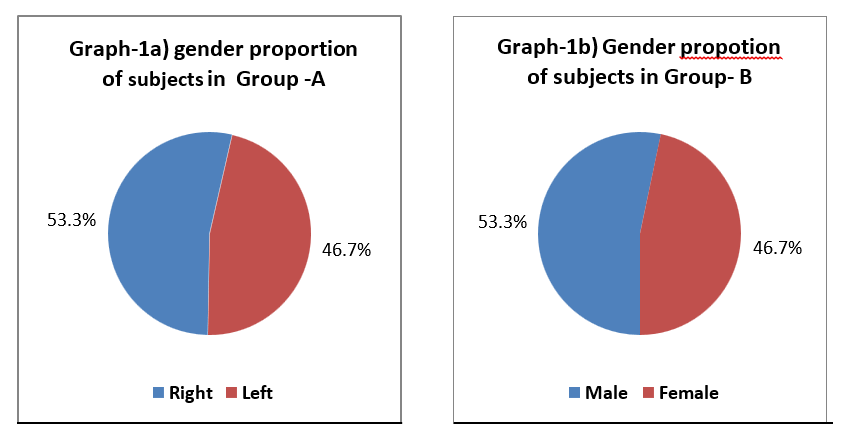
Figure 01: gender proportion of subjects in group A and B
Table 02: Range, mean and SD of age of the subjects with acute Trapezitisin both the groups
| Sno | Age | Group-A | Group- B | Unpaired t-test | ||
| Range | Mean ± SD | Range | Mean ± SD | |||
| 1 | Age in years | 18-30 | 23.47±3.22 | 18-30 | 23.67±3.77 | t=0.157,
p>0.05, NS |
The table 02 presents the outcomes of age in years of acute trapezitis subjects in both the groups. In Group-A (MFR), the subjects were ranging within the age of 18-30 years with the mean 23.47 and SD of ±3.22. In Group-B (SCS), the subjects were ranging within the age of 18-30 years with mean 23.67 and SD of ±3.77. The unpaired t-test was carried out to compare the means, which was found to be not significant at 5% level (i.e.>0.05). It revealed that the baseline characteristic of age was similar in both the groups.
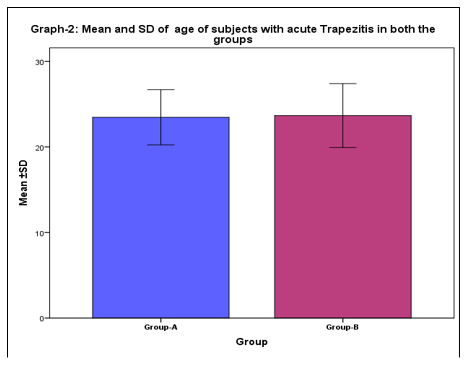
Figure 02: Mean and SD of age of subjects with acute trapezitis
Table 03: Range, mean and SD of outcome measures of subjects with acute Trapezitis in group A
| Sno | Outcome measures | Group-A | Paired t-test/ Wilcoxon test | p-value | |||
| Pre test | Post test | ||||||
| Range | Mean ±SD | Range | Mean ±SD | ||||
| 1 | Extension | 20-44 | 27.20±7.43 | 29-63 | 42.53±11.48 | t=9.885* | p<0.001 |
| 2 | Lateral flexion | 10-21 | 14.13±3.37 | 18-31 | 21.73±3.37 | t=17.961* | p<0.001 |
| 3 | NDI | 26-60 | 36.53±11.02 | 14-40 | 23.55±8.46 | t=3.441* | p<0.001 |
The above table 03 shows the pre and posttest outcomes of acute trapezitis subjects in Group-A treated with Myofascial Release. In pre-test, the extension ROM was ranging from 20-44 with mean 27.20 and SD ± 7.43. But in post-test, it was found to be increased, to the range29-63 with mean 42.53 and SD ±11.48. The non-parametric test for comparison of dependent outcomes when ordinal, the Wilcoxon test was carried out and it was found to be significant at p<0.001. In pre-test, the lateral flexion ROM was ranging from 10-21 with mean 14.13 and SD ±3.37. But in post-test, it was found to be increased with scores ranging from 18-31 with mean 21.73 and SD ±3.37. The non-parametric test for comparison of dependent outcomes when ordinal, the Wilcoxon test was carried out and it was found to be significant at p<0.001. Also, in pre-test, the NDI score was ranging from 26-60 with mean 36.53 and SD ±11.02. But in post-test, the NDI scores were found to be reduced to the range of 14- 40 with mean 23.55 and SD ±8.46. The non-parametric test for comparison of dependent outcomes when ordinal, the Wilcoxon test was carried out and it was found to be significant at p<0.001. It is seen that there is a significant increase of ROM and decrease of NDI scores among subjects with acute trapezitis in Group A.
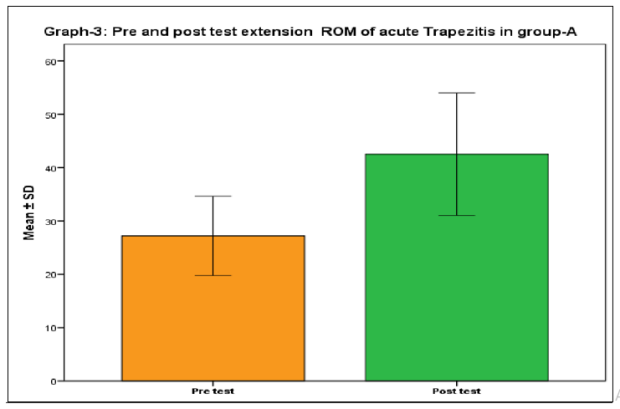
Figure 03: pre and post test extension ROM of acute Trapezitis in group A
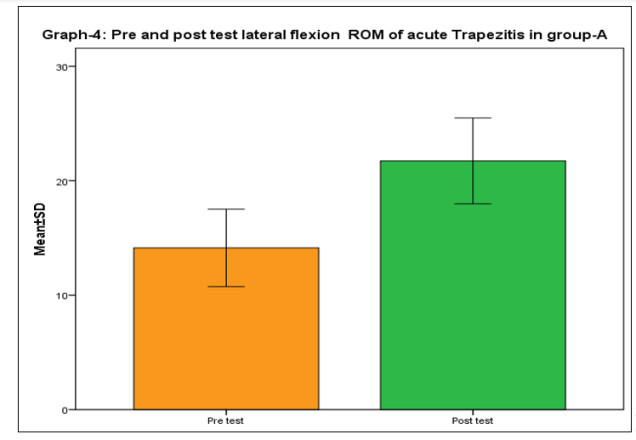
Figure 04:pre and posttest lateral flexion ROM of acute Trapezitis in group A
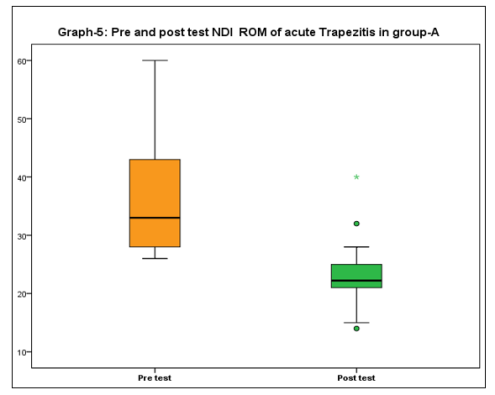
Figure 05: pre and post test NDI ROM of acute Trapezitis in group A
Table 04: Range, mean and SD of outcome measures of subjects with acute Trapezitis in group B
|
Sno |
Outcome measures | Group-B | Paired t-test/ Wilcoxon test |
p-value |
|||
| Pre test | Post test | ||||||
| Range | Mean ±SD | Range | Mean ±SD | ||||
| 1 | Extension | 17-55 | 29.00±29.60 | 28-70 | 46.73±13.18 | t=12.418* | p<0.001 |
| 2 | Lateral flexion | 11-22 | 15.00±3.54 | 20-42 | 25.33±5.86 | T=11.9381* | p<0.001 |
| 3 | NDI | 24-60 | 38.87±12.02 | 16-58 | 32.40±12.36 | t=3.419* | p<0.001 |
The above table 04 shows the pre and post-test outcomes of acute trapezitis subjects in Group-B treated with Strain Counter strain. In pre-test, the extension ROM was ranging from 17-55 with mean 29.00 and SD ±29.60. But in post-test, it was found to be increased to the range 28-70 with mean 46.73 and SD ±13.18. The non-parametric test for comparison of dependent outcomes when ordinal, the Wilcoxon test was carried out and it was found to be significant at p<0.001. Similarly, in pre-test, the lateral flexion ROM was ranging from 11-22 with mean 15.00 and SD ±3.54. But in post-test, it was increased to the range 20-42 with mean 25.33 and SD ±5.87. The non-parametric test for comparison of dependent outcomes when ordinal, the Wilcoxon test was carried out and it was found to be significant at p<0.001. Also, in pre-test, the NDI score was ranging from 24-60 with mean 38.87 and SD ±12.02. But in post-test, it was reduced ranging from 16-58 with mean 32.40 and SD ±12.36. The non-parametric test for comparison of dependent outcomes when ordinal, the Wilcoxon test was carried out and it was found to be significant at p<0.001. It is seen that there is a significant increase of ROM and decrease of NDI scores among subjects with acute trapezitis in Group B.
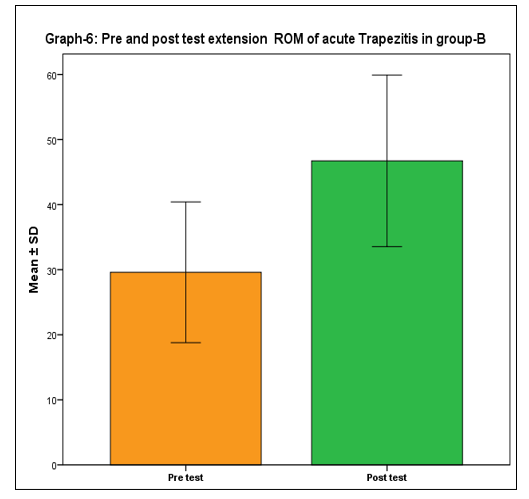
Figure 06: pre and posttest extension ROM of acute Trapezitis in group B
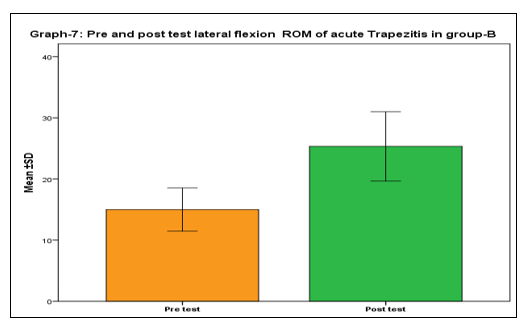
Figure 07: pre and posttest lateral flexion ROM of acute Trapezitis in group B
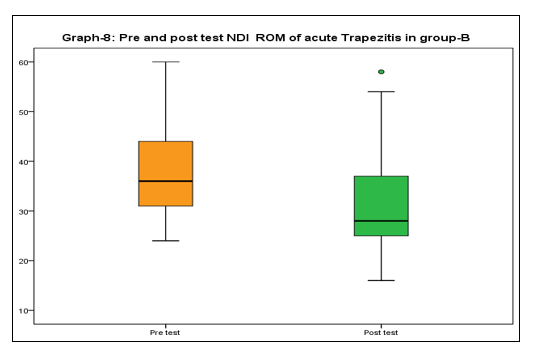
Figure 08: Pre and posttest NDI ROM of acute Trapezitis in group B
Table 05: Comparison of pre and posttest outcome measures of subjects with acute Trapezitisin between the groups.
| Sno | Outcome measures | Pre test | Post test | ||
| Group-A | Group-B | Group-A | Group-B | ||
| Mean ±SD | Mean ±SD | Mean ±SD | Mean ±SD | ||
| 1 | Extension | 27.20±7.43 | 29.00±29.60 | 42.53±11.48 | 46.73±13.18 |
| 2 | Lateral flexion | 14.13±3.37 | 15.00±3.54 | 21.73±3.37 | 25.33±5.86 |
| 3 | NDI | 36.53±11.02 | 38.87±12.02 | 23.55±8.46 | 32.40±12.36 |
| Between group | · Extension t=0.708 p>0.05, NS
· Lateral flexion: t=0.685, p>0.05, NS · NDI t=0.548, p>0.05, NS |
· Extension t=2.802 p<0.05, S | |||
| comparison | · Lateral flexion: t=3.141, | ||||
| Unpaired t-test / | p<0.05, S | ||||
| Mann- Whitney U | · NDI t=2.478, p<0.05, S | ||||
| test | |||||
The above table 05 presents the outcomes of between group comparison of pre and posttest of ROM of Extension, Lateral Flexion and NDI score among acute trapezitis subjects. The pretest scores of Extension ROM were 27.20±7.43 in group-A and 29.00±29.60 in group-B which was not statistically significant (p>0.05), Similarly, the pretest scores of Lateral Flexion were 14.13±3.37 in group-A and 15.00±3.54 which in group-B was not statistically significant (p>0.05). Also, thepre test scores of NDI were 36.53±11.02 in group-A and 38.87±12.02 which in group-B was not statistically significant (p>0.05). It evidenced that initially before the intervention the acute trapezitis subjects were similar in Extension, Lateral flexion and NDI in both the groups. Similarly, while comparing the post test scores of Extension ROM in between the groups, the mean and SD of post Extension ROM of the acute trapezitis subjects treated with Myofascial Release in group-A was 42.53±11.48 and the mean and SD of post Extension ROM of acute trapezitis subjects treated with Strain Counter strain was46.73±13.18. The non-parametric test for independent outcomes of two groups, when the scores were ordinal the Mann- Whitney U test was applied and it was statistically significant (p>0.05). Similarly, the mean and SD of posttest Lateral Flexion ROM of the acute trapezitis subjects treated with Myofascial Release in group-A was 21.73±3.37 and the mean and SD of post Lateral Flexion ROM of acute trapezitis subjects treated with Strain Counter strain was25.33±5.86. The non-parametric test for independent outcomes of two groups, when the scores were ordinal, the Mann- Whitney U test was applied and it was statistically significant (p>0.05). Also, the post test score of NDI observed in Group A –was 23.55±8.46 and in Group –B was 32.40±12.36. The non-parametric test for independent outcomes of two groups, when the scores were ordinal, the Mann- Whitney U test was applied and it was statistically significant (p>0.05).
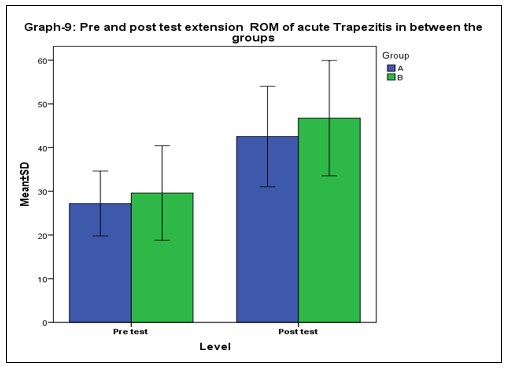
Figure 09: pre and posttest extension ROM of acute Trapezitis in between the groups
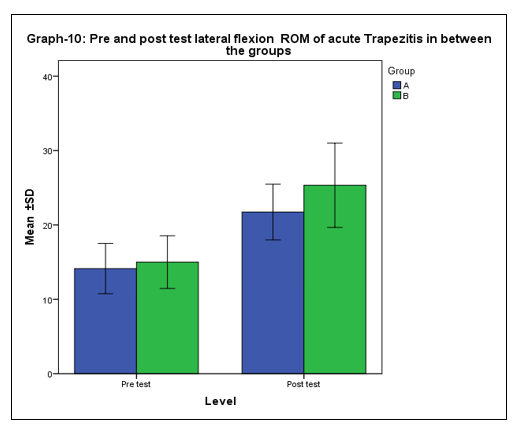
Figure 10: pre and posttest lateral flexion ROM of acute Trapezitis in between the groups
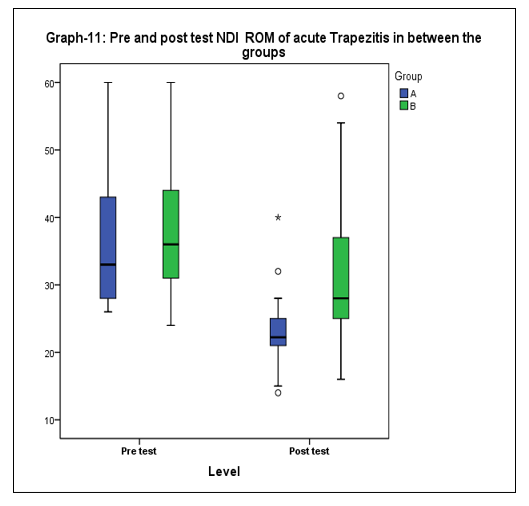
Figure 11: Pre and posttest NDI ROM of acute Trapezitis in between the groups
This study aimed at comparing the effects of Myofascial Release and Strain Counter Strain on acute trapezitis among young adults. In this study, 30 subjects with acute trapezitis between the age group of 18-30 years, both genders were taken. The subjects were assigned into two groups randomly. Group A received Myofascial Release (MFR) and Group B received Strain Counter strain (SCS). Baseline data for demographic and outcome variables did not show any statistically significant difference between the group prior to study [21]. Out of the 30 subjects included in the study, in Group-A, 8 (53.3%) of the subjects were males and 7 (46.7%) of them were females and in Group-B, 8(53.3%) were males and 7(46.7%) were females. There was no much variation in between the groups according to gender and it was found to be not statistically significant i.e., p>0.05. It evidenced the baseline characteristic of gender was homogeneous in both groups [22]. In Group-A (MFR), the subjects were ranging within the age of 18-30 years with the mean 23.47 and SD of ±3.22. In Group-B (SCS), the subjects were ranging within the age of 18-30 years with mean 23.67 and SD of ±3.77. The unpaired t-test was carried out to compare the means, which was found to be not significant at 5% level (i.e. p>0.05). It revealed that the baseline characteristic of age was similar in both the groups [23]. This shows that the study was done on a homogenous group of subjects with respect to age and gender. Assessment was taken prior to and post-intervention. Subjects in Group A were treated with Myofascial Release. In pre-test, the extension ROM was ranging from 20-44 with mean 27.20 and SD ± 7.43. But in post-test, it was found to be increased, to the range 29-63 with mean 42.53 and SD ±11.48. There was significant improvement in the post test scores when compared to pre test scores(p<0.001). Similarly in pre-test, the lateral flexion ROM was ranging from 10-21 with mean 14.13 and SD ±3.37. But in post-test, it was found to be increased with scores ranging from 18-31 with mean 21.73 and SD ±3.37. The non-parametric test for comparison of dependent outcomes when ordinal, the Wilcoxon test was carried out and it was found to be significant at p<0.001. Also, in pre-test, the NDI score was ranging from 26-60 with mean 36.53 and SD ±11.02. But in post-test, the NDI scores were found to be reduced to the range of 14-40 with mean 23.55 and SD ±8.46. It was found to be significant at p<0.001. There was a significant increase of ROM and decrease of NDI scores among subjects with acute trapezitis in Group A.
- DISCUSSION
The results of the present study are in agreement with the study done by [24] who mentioned in their study that MFR with conventional therapy was more effective in reducing pain and improving ROM (Lateral flexion of the neck) among subjects with unilateral upper trapezitis. Their study indicates that MFR acts by relaxing contracted muscles, increasing circulation and lymphatic drainage and also by stimulating the stretch reflex of muscles and overlying fascia. This helped to increase the soft tissue extensibility which improved range of motion. Another study done by [25] to compare the effects of MFR and cold pack on upper trapezius spasm concluded that MFR was more effective than cold pack in improving the ROM (opposite side cervical / side flexion) and relieving pain. Their result showed that when MFR is applied, it changes the local chemistry by flushing out the muscle inflammatory exudates and pain metabolites, breakdown of the scar tissue which leads to desensitization of the nerve endings and reduction of tone. In case of Group-B, subjects were treated with Strain Counter strain. In pre-test, the extension ROM was ranging from 17-55 with mean 29.00 and SD ±29.60. But in post-test, it was found to be increased to the range 28-70 with mean 46.73 and SD ±13.18. Similarly, in pre-test, the lateral flexion ROM was ranging from 11-22 with mean 15.00 and SD ±3.54. But in post-test, it was increased to the range 20-42 with mean 25.33 and SD ±5.87. There was improvement in both Extension and Lateral flexion range and it was found to be significant at p<0.001. Also, in pre-test, the NDI score was ranging from 24-60 with mean 38.87 and SD ±12.02. But in post-test, it was reduced ranging from 16-58 with mean 32.40 and SD ±12.36 it was found to be significant at p<0.001. Hence, a significant increase of ROM and decrease of NDI scores was seen among subjects with acute trapezitis in Group B. This is in relation to a study done by [26] on the effect of strain counter strain technique and stretching in treatment of patients with upper trapezius tenderness in neck pain. This study concluded that Strain counter strain technique can reduce pain thereby increase the function of the neck. Reduced pain in musculature can increase the range of movement of the neck. The outcome measure was also analyzed between the group and it was found that strain counter strain has more effect over stretching treatment technique. Another study suggests that effectiveness of SCS technique can be explained by the proprioceptive theory which states that SCS corrects the aberrant neuromuscular activity mediated by muscle spindles & local circulation or the inflammatory reactions mediated by the sympathetic nervous system. According to the proprioceptive theory, the neuromuscular imbalance, which is created by continuous stimulation of the muscle spindles, can be reduced by passively shortening the dysfunctional agonist muscle. SC-S also allows the normal muscle spindle activity to return. Once agonist muscle spindle activity is reset, antagonist muscle spindle activity can also return to the resting state relieving aberrant neuromuscular activity & restoring normal function [27]. The outcomes of between group comparison of pre and posttest of ROM of Extension, Lateral Flexion and NDI score showed that the pretest scores of Extension ROM was 27.20±7.43 in group-A and 29.00±29.60 in group-B which was not statistically significant (p>0.05), Similarly, the pretest scores of Lateral Flexion was 14.13±3.37 in group-A and 15.00±3.54 which in group-B was not statistically significant (p>0.05). Also, the pretest scores of NDI were 36.53±11.02 in group-A and 38.87±12.02 which in group-B was not statistically significant (p>0.05). It evidenced that initially before the intervention the acute trapezitis subjects were similar in Extension, Lateral flexion and NDI in both the groups [28]. Similarly, while comparing the post test scores of Extension ROM in between the groups, the mean and SD of post Extension ROM of the subjects in group-A was 42.53±11.48 and the mean and SD of post Extension ROM of group B was 46.73±13.18. The non-parametric test for independent outcomes of two groups, when the scores were ordinal the Mann- Whitney U test was applied and it was statistically significant (p>0.05). Similarly, the mean and SD of posttest Lateral Flexion ROM of the subjects in group-A was 21.73±3.37 and the mean and SD of post Lateral Flexion ROM of subjects in group B was 25.33±5.86. The post test scores were statistically significant (p>0.05) [29]. Also, the post test score of NDI observed in Group A –was 23.55±8.46 and in Group –B was 32.40±12.36. The non-parametric test for independent outcomes of two groups, when the scores were ordinal, the Mann- Whitney U test was applied and it was statistically significant (p>0.05). These results indicate that the techniques were effective in reducing pain, neck disability and increasing cervical lateral flexion in the tested subjects. The comparison of post treatment values of cervical lateral flexion and Neck disability scores showed a significant difference with results of Group Ai. Myofascial Release technique being better in pain and Neck disability than Group B i.e. Strain Counter strain technique. However, there was better improvement in cervical range of motion with Strain Counter strain technique when compared with Myofascial Release [30]. In a study done by [31] to compare the effect of Myofascial Release and Ischemic compression on pain, cervical lateral flexion and function in acute trapezitis among young adults it was found that Myofascial Release was significantly superior in treating trapezitis. Myofascial Release is the interactive stretching technique that requires feedback from the subject’s body to determine the direction, force and duration of the stretch and to facilitate maximum relaxation of the tight or restricted tissue. This supports the findings of the study of Myofascial Release being effective in reducing pain and disability. Also, it was found that strain counter strain technique proved to be effective in improving the range of motion at cervical region when compared to myofascial Release. The physiologic mechanism of strain counter strain is still practically unproven though theoretical clinical reasoning is present to explain its physiology. Strain counter strain work by automatic resetting of the muscle spindle. It changes tone and neuromuscular activity of the muscles. Still, it might be possible that pain relief of the muscle was due to subject relaxation with breathing during treatment and consciousness which was indicated in a study done by [32] to evaluate the effect of conventional physical therapy with or without strain counter strain on subjects with trigger point of upper trapezius. It was found that conventional physical therapy with Strain Counter strain was significantly superior in treating trigger points of upper trapezius. The study concluded that conventional physical therapy and strain counter strain is moderately effective in reducing pain, functional disability and improving range of motion at cervical region than conventional physical therapy alone in subjects with trigger point of upper trapezius. These results actively contribute to the growing body of knowledge and evidence in supporting the use of strain counter strain as part of treatment of Myofascial trigger points [33]. In a study done by [34] on Strain counter strain technique for immediate relief of trapezitis in sitting job professionals, the technique was found to have effective resolution of tender points and trigger points with increase of functional range and Neck mobility (cervical lateral range). This supports the finding of Strain counter strain being effective in increasing range of individuals with acute trapezitis.
- CONCLUSION
The study was aimed at finding out the effect of Myofascial Release versus Strain Counter strain. Both the groups showed positive results which were clinically significant. After Statistical analysis, it was evident that subjects who received Myofascial Release and Strain Counter strain were found to be equally effective. However, Myofascial Release is more effective than Strain Counter strain on pain, Neck disability whereas Strain Counter strain is more effective than Myofascial Release in improving cervical lateral flexion and extension. Therefore, the study accepts the null hypothesis which stated that there will be no significant difference between Myofascial Release and Strain Counter strain on pain and cervical range of motion in acute trapezitis subject sand the alternate hypothesis was rejected. Trapezitis is the most common musculoskeletal condition seen in clinical practice. Acute trapezitis is defined as the inflammation of the trapezius muscle for duration of less than one month which occurs as a result of faulty posture, overuse and stressful neck movements. Trapezius muscle helps with the function of neck rotation, lateral flexion and extension. Tightness in the muscle can decrease the range of motion of the neck which can negatively affect the mobility of the cervical joints. This limited range creates an increase in the soft tissue tightness, with a pain-spasm cycle that is difficult to break. Neck pain has a reported six months prevalence of 54% with its incidence being higher in females (15%) than males (9%). MFR is the manual application of a low load and long duration stretch to the myofascial complex which has demonstrated a significant improvement in both pain and disability. SCS is a type of passive positional release that attempts to alleviate muscle and connective tissue tightness by the use of very specific treatment positions held for 90 seconds. It aims to reduce pain and restore normal joint mobility. Hence, the study aimed to evaluate the effect of Myofascial release versus Strain Counter strain on pain and range of motion in acute trapezitis subjects. 30 subjects within the age group of 18-30 years were divided into two groups. Group A underwent MFR and Group B received SCS. Both the groups received stretching. Treatment was given for five days in a week. Outcomes measures used were Universal goniometer and Neck Disability Index to assess pain and range of motion prior to and after intervention. The baseline characteristics of age and gender were homogenous in both the groups (i.e. p>0.05). The pre and posttest outcomes of ROM and NDI in Group A was found to be significant (i.e. p <0.001). Similarly, the pre and posttest outcomes of ROM and NDI in Group B was found to be significant (i.e. p<0.001). While comparing the pre and posttests scores of ROM and NDI in between the subjects, it was found that the subjects were similar in ROM and NDI in both the groups before intervention. However, the post test scores were found to be significant in both the groups. Thus, MFR and SCS were both proved to be effective. In addition, Myofascial Release was found to be more effective than Strain Counter strain on pain, Neck disability whereas Strain Counter strain was more effective than Myofascial Release in improving cervical lateral flexion and extension.
AUTHOR CONTRIBUTION STATEMENT
Sushil Chaudhary: Substantial contributions to the conception or design of the work; or the acquisition, analysis, or interpretation of data for the work, Drafting the work or reviewing it critically for important intellectual content; AND Final approval of the version to be published, and Agreement to be accountable for all aspects of the work in ensuring that questions related to the accuracy or integrity of any part of the work are appropriately investigated and resolved.
ACKNOWLEDGEMENTS: No specific individuals, institutions, or organizations contributed additional support or assistance requiring formal acknowledgement for this study.
DECLARATIONS:
Funding: This research received no specific grant, financial support, or funding from any public, commercial, or non-profit organization.
Conflicts Of Interest: The authors declare that there are no conflicts of interest, financial or otherwise, that could have influenced the research, analysis, or interpretation of the findings presented in this article.
Data Availability: The datasets and information used in this study are publicly available from the sources cited within the article. No proprietary or restricted data were used.
Trial Registration: Trial registration is not applicable to this study, as it does not involve clinical trials, human participants, or experimental interventions.
Generative AI Disclosure: Generative artificial intelligence tools were not used for generating research data, conducting analyses, or producing scientific conclusions in this study. The authors take full responsibility for the content and accuracy of the manuscript.
REFERENCES
- Kage V, Gurav G. Effect of neural flossing technique on pain, cervical range of motion and functional ability in subjects with acute, sub-acute trapezitis: An experimental study. IJAR. 2017;3(7):818-22.
- Bovim G, Schrader H, Sand T. Neck pain in the general population. Spine (Phila Pa 1976) 1994;19:1307-9.
- Fejer R, Kyvik KO, Hartvigsen J. The prevalence of neck pain in the world population: A systematic critical review of the literature. Eur Spine J 2006;15:834-48.
- Darivemula SB, Goswami K, Gupta SK, Salve H, Singh U, Goswami AK, et al. Work-related neck pain among desk job workers of tertiary care hospital in New Delhi, India: Burden and determinants. Indian J Community Med 2016;41:50-4.
- Thaker S, Dave Y, Patel S. A study on the effect of muscle energy technique and positional release technique on pain and cervical ROM in patients with chronic upper trapezitis. International Journal of Scientific Research. 2019 June;8(6).
- Khare D, Pathak R. Effectiveness of elastic resistance band exercises versus conventional exercises on cases of trapezitis: A comparative study. International Journal of Orthopaedics. 2018;4(1):174-8.
- Amir Iqbal, Hashim Ahmed, Md Abu Shaphe: Efficacy of Muscle Energy Technique in Combination with Strain-counter strain Technique on Deactivation of Trigger Point Pain, Indian Journal of Physiotherapy & Occupational Therapy. July-September, 7(3), 2013, 118.
- Carvalho SC. Effect of Positional Release Technique in Subjects with SubacuteTrapezitis. International Journal of Physiotherapy. 2014 Jan 1;1(2):91-9.
- Wong CK. Strain counterstrain: current concepts and clinical evidence. Manual therapy. 2012 Feb 1;17(1):2-8.
- Segura-Ortí E, Prades-Vergara S, Manzaneda-Piña L, Valero-Martínez R, Polo-Traverso JA. Trigger point dry needling versus strain–counterstrain technique for upper trapezius myofascial trigger points: a randomised controlled trial. Acupuncture in Medicine. 2016 Jun;34(3):171-7.
- Ajimsha MS, Al-Mudahka NR, Al-Madzhar JA. Effectiveness of myofascial release: systematic review of randomized controlled trials. Journal of bodywork and movement therapies. 2015 Jan 1;19(1):102-12.
- Paolini J. Review of myofascial release as an effective massage therapy technique. Athletic Therapy Today. 2009 Sep;14(5):30-4.
- Ozsoy G, Ilcin N, Ozsoy I, Gurpinar B, Buyukturan O, Buyukturan B, Kararti C, Sas S. The effects of myofascial release technique combined with core stabilization exercise in elderly with non-specific low back pain: a randomized controlled, single-blind study. Clinical Interventions in Aging. 2019;14:1729.
- Desai S. To compare the effect of myofascial release and ischaemic compression on pain, cervical lateral flexion and function in acute Trapezitis in young adults. IJAR. 2018;4(3):448-54.
- Gauns SV, Gurudut PV. A randomized controlled trial to study the effect of gross myofascial release on mechanical neck pain referred to upper limb. International Journal of Health Sciences. 2018 Sep;12(5):51.
- Rodríguez-Huguet M, Gil-Salú JL, Rodríguez-Huguet P, Cabrera-Afonso JR, Lomas-Vega R. Effects of myofascial release on pressure pain thresholds in patients with neck pain: a single-blind randomized controlled trial. American Journal of Physical Medicine & Rehabilitation. 2018 Jan 1;97(1):16-22.
- Chaudhary ES, Shah N, Vyas N, Khuman R, Chavda D, Nambi G. Comparative study of myofascial release and cold pack in upper trapezius spasm. International Journal of Health Sciences & Research. 2013 Dec;3(12):20-7.
- Jay S. A comparative study between muscle energy technique and myofascial release therapy on myofascial trigger points in upper fibers of trapezius. Indian J PhysiotherOccupTher. 2012;6(3):144-8.
- Castro-Sánchez AM, Matarán-Penarrocha GA, Arroyo-Morales M, Saavedra-Hernández M, Fernández-Sola C, Moreno-Lorenzo C. Effects of myofascial release techniques on pain, physical function, and postural stability in patients with fibromyalgia: a randomized controlled trial. Clinical Rehabilitation. 2011 Sep;25(9):800-13.
- Paul J, Balakrishnan P. Effect of strain counter strain technique and stretching in treatment of patients with upper trapezius tenderness in neck pain. International Journal of Physiotherapy. 2018 Aug 1;5(4):141-4.
- Pawar PA, Tople RU, Yeole UL, Gharote GM, Panse RB, Kulkarni SA. A study on effect of strain-counterstrain in plantar fasciitis. Int J Adv Med. 2017 Mar;4(2):551-2.
- Javaid HM, Ahmad A, Ajmad F, Liaqat S, Tahir S. Effects of Conventional Physical Therapy with or without Strain Counterstrain in Patients with Trigger Points of Upper Trapezius; a Randomized Controlled Clinical Trial. Annals of King Edward Medical University. 2016 Sep 8;22(3).
- Carvalho SC. Effect of Positional Release Technique in Subjects with SubacuteTrapezitis. International Journal of Physiotherapy. 2014 Jan 1;1(2):91-9.
- Vohra S, Jaiswal VC. Effectiveness of Strain Counterstrain Technique on QuadratusLumborum Trigger Point in Low Back Pain.
- Chorsiya V. Strain-Counterstrain Technique for Immediate Relief of Trapezitis in Sitting Job Professionals.
- Jung JH, Lee NG, You SH. Immediate Effects of Strain-Counterstrain Technique on Pressure Pain Threshold and Muscle Activity in Male Adults With Upper Trapezius Latent Trigger Point. Physical Therapy Korea. 2011;18(2):76-83.
- Farooq MN, Bandpei MA, Ali M, Khan GA. Reliability of the universal goniometer for assessing active cervical range of motion in asymptomatic healthy persons. Pakistan Journal of Medical Sciences. 2016 Mar;32(2):457.
- Yankai A, Manosan P. Reliability of the universal and invented gravity goniometers in measuring active cervical range of motion in normal healthy subjects. Int J Appl Biomed Eng. 2009 Mar 31;2(1):49-53.
- Youdas JW, Carey JR, Garrett TR. Reliability of measurements of cervical spine range of motion—comparison of three methods. Physical therapy. 1991 Feb 1;71(2):98-104.
- Saltychev M, Mattie R, McCormick Z, Laimi K. Psychometric properties of the neck disability index amongst patients with chronic neck pain using item response theory. Disability and Rehabilitation. 2018 Aug 28;40(18):2116-21.
- MacDermid JC, Walton DM, Avery S, Blanchard A, Etruw E, Mcalpine C, Goldsmith CH. Measurement properties of the neck disability index: a systematic review. Journal of orthopaedic& sports physical therapy. 2009 May;39(5):400-17.
- Vernon H, Mior S. The Neck Disability Index: a study of reliability and validity. Journal of manipulative and physiological therapeutics. 1991 Sep.
- Ravish VN, Helen S. To compare the effectiveness of myofascial release technique versus positional release technique with laser in patients with unilateral trapezitis. Journal of Evolution of Medical and Dental Sciences. 2014 Mar 3;3(9):2161-7.
- Somprasong S, Mekhora K, Vachalathiti R, Pichaiyongwongdee S. Effects of strain counter-strain and stretching techniques in active myofascial pain syndrome. Journal of physical therapy science. 2011;23(6):889-93.
Supplemental Material
No supplementary files, datasets, figures, or additional materials are associated with this study. Any information necessary to understand and evaluate the work is included in the main article.
Citation
Sushil Chaudhary (2026). Myofascial Release Versus Strain Counter Strain Technique on Pain and Cervical Range of Motion in Subjects with Acute Trapezitis. Dinkum Journal of Medical Innovations, 5(02):78-93. https://doi.org/10.71017/djmi.5.02.d-0569
DOI
https://doi.org/10.71017/djmi.5.02.d-0569
Identification
D-0569
Publication History
Submitted: 26-11-2025
Accepted: 02-02-2026
Published: 28-02-2026
Copyright
© The Author(s) 2026
Publishing License
This is an Open Access article distributed under the terms of the Creative Commons Attribution (CC BY 4.0) License.
Copyright
© The Author(s) 2026
Publishing License

 This is an Open Access article distributed under the terms of the Creative Commons Attribution (CC BY 4.0) License .