

Vol. 5 No.02 (2026) | Page: 94-103 | Original Article 
Effects of Dietary Habits on Nutritional Status of Female Student Nurses at the Nursing and Midwifery Training College, 37 Military Hospital in Ghana
Emmanuel Korletey Korley 1*
-
- Ghana Armed Forces College of Nursing and Midwifery (GAFCONM), Accra, Ghana.
 ellakorley@gmail.com




ABSTRACT
Background: Good nutrition is essential for sustaining good health and development. Female nursing students are often faced with dietary challenges due to academic stress, financial constraints and limited availability of healthy food which significantly affect their nutritional status.
Objective: This study examined the influence of dietary habits on the nutritional status of female nursing students at the 37 Nursing and Midwifery Training College in Ghana.
Methods: In this cross-sectional study, data on dietary habits, nutritional knowledge, food choice determinants and challenges were collected from N= 397 female nursing students at the 37 Nursing and Midwifery Training College, Ghana with the aid of a structured questionnaire, relationship was examined using chi-squared tests and multinomial logistic regression with significance set at p-value < 0.05.
Results: Majority of the students (50%) were of healthy weight while 28% were overweight, 15% obese and 7% underweight. About 71% of the students had adequate nutritional knowledge however there was no significant association between nutritional knowledge and BMI.
Conclusion: Improving access to affordable healthy foods, nutrition counseling, supportive campus food policies could enhance the nutritional well-being and ultimately, the academic performance of female nursing students.
Keywords: dietary habits, nutritional status, midwifery training college, 37 military hospitals
Key points:
- How are dietary habits associated with nutritional status among female nursing students in Ghana?
- Only 50% of female nursing students maintain a healthy weight, while 28% are overweight and 15% are obese.
- Improving access to affordable healthy foods and campus nutrition counseling may support better nutritional health and academic performance.
- INTRODUCTION
Nutrition is fundamental in sustaining optimal health, significantly influencing the etiology, progression, and management of various chronic conditions, including anemia, diabetes, hypertension, and cancer [1]. The world health organization also deems nutrition as a “critical part of health and development” and defines it as the intake of food, considered in relation to the body’s dietary needs (Nutrition, n.d.). Effective nutrition education can lead to measurable improvements in dietary intake and overall health markers [2]. Beyond disease management, adequate dietary intake is paramount for efficient physiological functions, physical development, and overall well-being, which directly impacts academic performance and cognitive outcomes [3]. This is particularly pertinent for students and professionals in demanding fields like nursing, where their well-being directly impacts their capacity to excel academically and provide quality healthcare. In Ghana, and other low-and middle-income countries, medical education involves rigorous academic and practical clinical training [4]. Nursing students especially face comparable pressure from attending lectures, to mandatory clinicals and several other training and workshops in preparation for their degree. University students in Ghana often live away from home, requiring them to make independent food choices, and may experience academic stress and irregular schedules that disrupt their eating patterns [5]. The widespread availability of processed and fast foods, partly due to severe food insecurity influences them to choose energy-dense food options [6]. The high cost of unprocessed foods and limited time for meal preparation are also barriers to healthy eating among students [7]. Above all, a prevalent cultural perspective in Ghana often associates being overweight or obese with well-being and beauty, which can influence weight perception and dietary practices. A study by Khan and his colleagues in Bangladesh shed light on the prevalence of breakfast skipping among students, most especially females. The study revealed factors such as night eating syndrome, poor sleep quality among others as key determinants of breakfast skipping. Also, overweight/obese students were less likely to skip breakfast as compared to their counterparts [8]. This is supported by studies conducted in Ghana during the covid-19 pandemic by [9]. Meal skipping was prevalent among the students as about 59% of the students’ skipped meals before COVID-19 whereas 47.8% skipped meals during COVID-19 lockdown. About 64.1% consumed homemade meals before the COVID-19, 82.3% consumed homemade meals after lockdown mostly due to their inability to go out to purchase foods. Ghanaian university students frequently consume cereals, grains, meat, and animal products, as compared to fruits and vegetables [10]. Most students also prefer fast foods because they are easily accessible and constantly advertised, influencing their dietary intake choices. Gender-specific nutritional issues are also apparent. Female adolescents in Ghana have been found to consume lower mean dietary calories, carbohydrates, protein, fat, and fiber compared to males [4]. They are also guilty of low intake of micronutrients and prone to anemia as compared to males [7]. Female students are more likely to be overweight/obese and have also reported higher scores of emotional eating as compared to males [5,8]. Numerous studies have shown that factors like eating habits significantly impact the nutritional status of female nursing students [2,4,8]. Food habits are influenced by early upbringing and cultural norms [11]. Female nursing students in Ghana play a vital role in healthcare, but their nutritional well-being is often overlooked. The demanding nature of nursing school and clinical practice can hinder healthy eating habits, potentially leading to inadequate nutrition [12]. Understanding the link between dietary choices and nutritional status is crucial for developing targeted interventions to improve their overall health. The unique environment of a military hospital, combined with cultural factors and limited food availability, can further complicate the situation [13]. While research on the nutritional needs of healthcare practitioners in Ghana exists [7,14], there’s a lack of specific information on female nursing students, especially within a military hospital setting. Although the importance of healthy eating for adolescents and young adults is recognized, limited research exists on this topic in Ghana, particularly for female nursing students. This study addresses this gap by examining the eating habits and nutritional status of female nursing students at the 37 Nursing and Midwifery Training College in Ghana. This study examined how dietary habits influence the nutritional status of female nursing students at the 37 Nursing and Midwifery Training College in Ghana. Specifically, the study aims to assess the students’ level of awareness regarding healthy dietary practices, identify the key factors that influence their food choices and eating patterns, determine the relationship between their dietary habits and nutritional status, and explore the challenges they encounter in maintaining healthy eating behaviors and achieving good nutritional health. The findings of this study can inform the development of targeted college policies and student support programs, including effective nutrition and lifestyle education, to promote healthier dietary practices and improve overall well-being among female student nurses. This research will also serve as a basis for future studies to further investigate the complex interplay of diet, health, and academic outcomes in this crucial population.
- MATERIALS AND METHODS
A cross-sectional descriptive and inferential statistics approach was utilized to explore the relationship between dietary habits and nutritional statuses of female nursing students at the 37 Nursing and Midwifery Training College in Ghana. The concept facilitated impartial and objective examinations of data from multiple sources. The research population for this study comprised all female nursing students at the 37 Nursing and Midwifery Training College in Ghana within the period of this research. A sample size of N= 397 was chosen based on established guidelines to ensure reliable and representative results by reducing errors and improving randomness. The study employed convenient and simple random sampling techniques. Convenient sampling and a non-probability sampling technique was used to access easily available participants. Simple random sampling, a probability method, ensured random selection from the population. These techniques helped address financial constraints, time limitations, and participant availability, ensuring both practicality and reliability in the study. The data was collected with the aid of a structured questionnaire gathered from an extensive literature review and based on existing studies. The first section of the questionnaire sought to attain the biodata of respondents. The second section was also designed to obtain data regarding the dimensions of dietary habits and nutritional statuses. The types of questions used for this survey were multi-choice and were mainly measured on a five-point Likert scale, anchored from 1 strongly ‘disagree’ to 5 ‘strongly agree’. Structured questionnaires were used for the study which were self-administered to the 397 respondents. Respondents were chosen based on availability and convenience. The data was cleaned and analyzed using the tidy verse meta-package and janitor package from the R programming language (R version 4.5.1). Results from the analysis were presented in charts and tables for easy interpretation of findings using the plot package. The demographics (age, year of study, accommodation status, and marital status) of the participants were analyzed to ensure they were well distributed and not skewed. The major factors (Economic, Social, Health conditions, Taste and preference and Others) that influence the dietary choice and pattern of the participants were investigated. A chi-squared test was used to determine the association between these factors and the nutritional statuses of the participants. To investigate the relationship between the dietary habits (e.g. number of meals taken in a day, how often certain foods were consumed, preferred source of meals) and nutritional statuses (BMI classes) of the participants, a multinomial logistic regression model was employed. The results were reported as odds ratios (OR) at a 95% confidence interval with their p-values (< 0.05). Participants were made to identify some challenges they faced in ensuring good dietary habits and nutritional statuses. These were classified into the following factors; Health conditions, financial constraints, Taste and preference, Lack of knowledge, Lack of time, social factors and Limited availability of healthy foods. The percentages of these factors were determined to identify the major challenges faced by the participants. The study received formal institutional approval from the 37 Military Hospital Institutional Review Board, guaranteeing compliance with established ethical standards for research. Respondents were provided with a clear explanation of the study’s aims and objectives to facilitate informed decision-making. Their voluntary participation was secured through the collection of written consent, ensuring they understood their rights, including the ability to withdraw at any stage without repercussions.
3.RESULTS & DISCUSSION
A total of 397 female nursing students from the 37 Nursing and Midwifery Training College in Ghana participated in the study. The demographic characteristics, including age, year of study, marital status, accommodation status, and nutritional status (based on BMI), are summarized in Table 1. The majority of respondents were aged 21–23 years (44%, n=174), followed by those aged 18–20 years (25%, n=98), 24–26 years (17%, n=68), and 27 years and above (14%, n=57). In terms of year of study, most participants were in level 100 (59%, n=236), with 35% (n=138) in level 200 and 6% (n=23) in level 300. Regarding marital status, the vast majority were single (93%, n=371), while 6% (n=25) were married, 0.3% (n=1) were widowed, and none were divorced. For accommodation, 45% (n=179) lived off-campus, 37% (n=145) commuted from home, and 18% (n=73) resided on-campus. Based on BMI classifications, half of the respondents had a healthy weight (50%, n=199), 28% (n=111) were overweight, 15% (n=59) were obese, and 7% (n=28) were underweight.
| Variable | Category | Frequency | Percentage |
| Age | 18–20 years | 98 | 25% |
| 21–23 years | 174 | 44% | |
| 24–26 years | 68 | 17% | |
| 27 years and above | 57 | 14% | |
| Total | 397 | 100% | |
| Year of Study | 100 | 236 | 59% |
| 200 | 138 | 35% | |
| 300 | 23 | 6% | |
| Total | 397 | 100% | |
| Marital Status | Married | 25 | 6% |
| Single | 371 | 93% | |
| Divorced | 0 | 0% | |
| Widowed | 1 | 0.3% | |
| Total | 397 | 100% | |
| Accommodation Status | On-campus | 73 | 18% |
| Off-campus | 179 | 45% | |
| Commuting from home | 145 | 37% | |
| Total | 397 | 100% | |
| Nutritional Status (BMI) | Below 18.5 (Underweight) | 28 | 7% |
| 18.5–24.9 (Healthy Weight) | 199 | 50% | |
| 25.0–29.9 (Overweight) | 111 | 28% | |
| 30 and above (Obese) | 59 | 15% | |
| Total | 397 | 100% |
Table 01: Demographic characteristics of participants
Majority of the respondents (70.8%) believed they had adequate knowledge about nutrition and healthy eating habits as opposed to 29.2% that had no knowledge in this context.
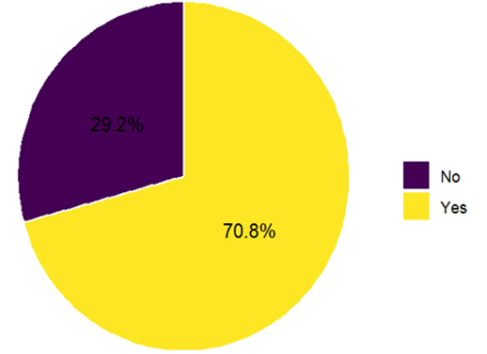 Figure 01: Nutritional knowledge levels of participants
The level of awareness among the participants was assessed through their reported sources of information on good dietary habits and nutritional status. These sources are summarized in Table 2.0. The primary source was workshops, seminars, lectures, or conferences (32.5%, n=129), followed by nutrition counselling sessions (23.2%, n=92), online resources (21.7%, n=86), electronic and social media (18.6%, n=74), pamphlets or brochures (3.8%, n=15), and other sources (0.3%, n=1).
Table 02: Source of Information on good dietary habits
| Source of information | Frequency | Percentage |
| Workshops/Seminars/Lectures/Conference | 129 | 32% |
| Nutrition counselling sessions | 92 | 23 |
| Online resources | 86 | 22% |
| Electronic and social media | 74 | 19% |
| Pamphlets/Brochures | 15 | 3.8% |
| Others | 1 | 0.25% |
The most significant factors influencing the dietary choices of the participants were economic factors (32.2%, n=128), and taste and preference (32.2%, n=128). Social factors accounted for 23.4% (n=93). Health conditions influenced 8.8% (n=35) of the respondents, while other factors were minimal at 3.3% (n=13).
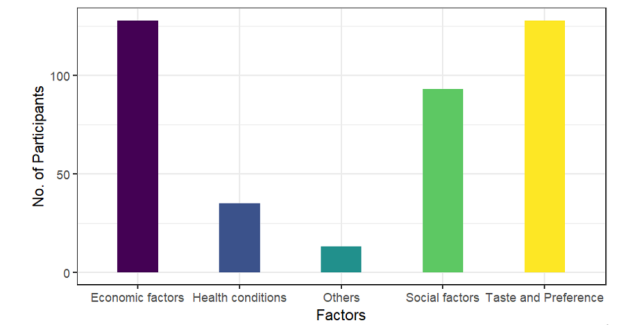
Figure 02: Major factors that influence dietary choices
Across all the BMI classes the major factors that influence dietary choice are economic factors, taste and preference and social factors as shown in figure 3.0. Chi-squared analysis (X-squared = 7.6896, df = 12, p-value = 0.8089) shows that choice of the factors is not associated with the BMI classes.
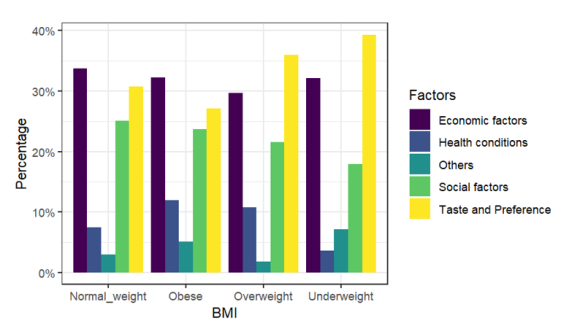
Figure 03: Association between factors and BMI
A multinomial regression was conducted to assess the association between the dietary habits and nutritional statutes. Based on Table 3.0 below, compared with students of normal BMI, eating whole grains and protein rich meals 4-6 times a week decreased the odds of being overweight by 59% (OR= 0.41, p=0.014) and 66% (OR=0.34, P=0.021) respectively, and eating homemade food decreases the odds by 70% (OR=0.30, p=0.001). Also, a student decreases their chances of being underweight by 214% (OR=3.14, P=0.044) when they take proteins daily.
Table 03: Relationship between dietary habits and nutritional statuses
| BMI Category (vs Normal) | Dietary factor | OR (95% CI) | CI | p-value |
| Overweight | Whole grain (4 – 6 times a week) | 0.41 | (0.2 – 0.83) | 0.014 |
| Underweight | Protein rich meal daily | 3.14 | (1.03 – 9.56) | 0.044 |
| Overweight | Protein rich meal (4 – 6 times a week) | 0.34 | (0.14 – 0.85) | 0.021 |
| Overweight | Homemade food as primary food source | 0.30 | (0.15 – 0.61) | 0.001 |
A chi-square test was conducted to examine the association between accommodation status and nutritional status (BMI) of female students, and no significant association was found, χ² (12, N = 397) = 6.29, p = 0.90. Similarly, no significant associations were observed between BMI and knowledge of good dietary practices, χ² (3, N = 397) = 4.75, p = 0.19, or between BMI and source of nutrition information, χ² (4, N = 397) = 7.30, p = 0.12. In addition, an independent-samples t-test was performed to assess the relationship between BMI and knowledge of dietary practices. The results indicated no significant difference in BMI based on knowledge of dietary practices, t(200.3) = 0.61, p = 0.54. The major challenges faced by the students in ensuring good dietary habits included lack of time, financial constraints, availability of healthy foods, social factors, taste and preference, health conditions and lack of knowledge.
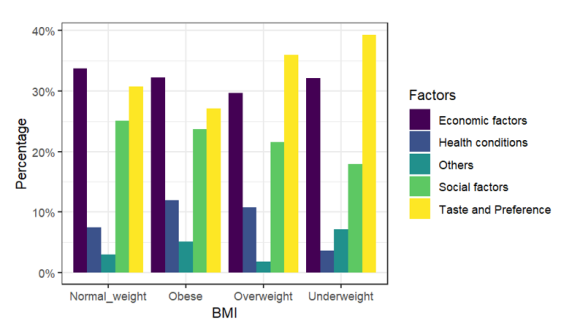
Figure 04: Major challenges faced by the students in ensuring good dietary habits and nutritional statuses.
The demographic profile of the participants revealed that majority of the participants (44%) were between the ages of 21-23, representing a young and active population. Most of the participants (50%) had a healthy BMI with 7% being underweight, 28% being overweight and 15% being obese. These results align with existing research suggesting that younger adults are generally more likely to maintain a healthy BMI due to higher metabolic rates and activity levels [15]. However, the percentage of obese, overweight and underweight participants highlights potential concerns about unbalanced dietary habits among a substantial portion of the participants.
- DISCUSSION
The study found that 70.8% of the participants rated their awareness of good dietary habits as very high, largely attributed to their academic curriculum. This was corroborated by finding that Workshops/Seminars/Lectures/Conference were the most preferred source of knowledge. However, the reliance on academic resources rather than practical interventions indicates a potential gap between knowledge and practice, a common issue in healthcare education. Other major sources of information included nutrition counselling sessions, online resources, and electronic and social media. The results of the chi-square test and t-test showed no significant association between nutritional knowledge and BMI. The absence of association suggests that nutritional knowledge alone may not influence nutritional status in a measurable way. This finding is consistent with studies that have reported a gap between knowledge and practice of healthy eating [16]. Economic factors and personal taste were the strongest determinants of food choice among the students, consistent with studies indicating that affordability of food heavily impacts students’ eating habits [17]. Other factors included social factors such as availability of food, distance covered to access food, etc. and health conditions such as allergies. The study revealed no association between the accommodation status, knowledge of dietary practices, source of nutrition information, and factors that influence dietary choices with the nutritional status of the participants. This finding points to the role of broader structural and behavioral factors in determining nutritional status, such as time constraints, accessibility of food, and study-related pressures. The multinomial regression analysis showed that consumption of whole grains, protein-rich meals, and homemade foods lowered the odds of being overweight. Daily protein intake was also associated with a lower likelihood of being underweight. This reinforces the link between dietary choices and nutritional status. Financial constraints emerged as one of the major challenges identified by participants in maintaining healthy dietary habits. This observation reflects global patterns in which students in resource-limited settings encounter economic barriers to accessing nutritious foods [18]. Lack of time due to academic workload and pressure also influenced dietary practices, as students reported difficulty preparing balanced meals within their demanding schedules. Limited availability of healthy foods, combined with the widespread presence and affordability of fast foods, further shaped eating behaviors. These challenges are routine in many Ghanaian university environments, where students often rely on convenient but less nutritious food options [19]. Addressing these challenges requires a multi-faceted approach, including subsidized healthy meal options, stress management programs, and targeted nutritional counseling. Moreover, addressing systemic barriers such as campus food policies and promoting affordable on-site food vendors could mitigate some of these challenges. This study has some limitations that should be acknowledged. First, the cross-sectional design restricts the ability to infer causal relationships between dietary habits and nutritional status, as data were collected at a single point in time. Second, the reliance on self-reported dietary habits may have introduced recall and social desirability biases, potentially affecting the accuracy of responses. Additionally, the study was limited to female student nurses in a single institution, which restricts the generalizability of the findings to other student populations or settings. Despite these limitations, the relatively large sample size and use of validated tools strengthen the reliability of the findings and provide a useful basis for future research on dietary practices among nursing students in Ghana.
- CONCLUSION
While most of the students possess adequate nutritional knowledge, primarily acquired through academic channels such as workshops and lectures, this knowledge does not consistently translate into healthy dietary practices. Economic constraints, personal taste preferences, and time limitations due to academic demands emerged as significant barriers to maintaining balanced diets, contributing to the prevalence of overweight, obesity, and underweight conditions among the participants. The consumption of whole grains, protein-rich meals, and homemade foods was associated with a reduced likelihood of being overweight, while daily protein intake lowered the odds of being underweight, underscoring the importance of dietary quality in achieving optimal nutritional status. The lack of significant associations between nutritional knowledge, accommodation status, or sources of nutrition information and BMI suggests that structural and behavioral factors play a substantial role in shaping dietary habits. Challenges such as financial constraints, limited access to healthy foods, and the demanding nature of nursing education further exacerbate the adoption of suboptimal eating patterns. These findings emphasize the need for targeted interventions, including subsidized healthy meal options, enhanced nutrition counseling, and campus food policies that promote affordable and accessible nutritious foods. By addressing these barriers, institutions can better support the nutritional well-being of female nursing students, ultimately enhancing their academic performance and capacity to deliver quality healthcare. This study provides a foundation for future research to explore tailored strategies that bridge the gap between nutritional knowledge and practice in similar populations.
AUTHOR CONTRIBUTION STATEMENT
Emmanuel Korletey Korley: Substantial contributions to the conception or design of the work; or the acquisition, analysis, or interpretation of data for the work, Drafting the work or reviewing it critically for important intellectual content; AND Final approval of the version to be published, and Agreement to be accountable for all aspects of the work in ensuring that questions related to the accuracy or integrity of any part of the work are appropriately investigated and resolved.
ACKNOWLEDGEMENTS: No specific individuals, institutions, or organizations contributed additional support or assistance requiring formal acknowledgement for this study.
DECLARATIONS:
Funding: This research received no specific grant, financial support, or funding from any public, commercial, or non-profit organization.
Conflicts Of Interest: The authors declare that there are no conflicts of interest, financial or otherwise, that could have influenced the research, analysis, or interpretation of the findings presented in this article.
Data Availability: The datasets and information used in this study are publicly available from the sources cited within the article. No proprietary or restricted data were used.
Trial Registration: Trial registration is not applicable to this study, as it does not involve clinical trials, human participants, or experimental interventions.
Generative AI Disclosure: Generative artificial intelligence tools were not used for generating research data, conducting analyses, or producing scientific conclusions in this study. The authors take full responsibility for the content and accuracy of the manuscript.
REFERENCES
- Akoto, S., Tandoh, M. A., Nsiah, K., Asamoah-Boakye, O., & Annaful, V. T. (2022). Lifestyle habits, macronutrient intake, and obesity prevalence among adolescents in rural-periurban community senior high schools in the Ho municipality of Ghana. Frontiers in Nutrition, 9, 955898.
- Amakye, W. K., Bozovic, S., Faraque, A., Yao, M., & Ren, J. (2020). Nutrition education in medical school: The case of international medical students in China. BMJ Nutrition, Prevention & Health, 3(2), 308–319.
- Amoako, M., Amoah-Agyei, F., Du, C., Fenton, J. I., & Tucker, R. M. (2023). Emotional Eating among Ghanaian University Students: Associations with Physical and Mental Health Measures. Nutrients, 15(6), 1526.
- Bak, M. A. R., Hoyle, L. P., Mahoney, C., & Kyle, R. G. (2020). Strategies to promote nurses’ health: A qualitative study with student nurses. Nurse Education in Practice, 48, 102860.
- Downes, L. (2015). Physical activity and dietary habits of college students. The Journal for Nurse Practitioners, 11(2), 192–198.
- Hadaye, R., Pathak, B., & Lavangare, S. (2019). Nutritional status of the student nurses of a tertiary health-care center—A mixed-method study. Journal of Family Medicine and Primary Care, 8(3), 1028–1034.
- Issahaku, I., & Alhassan, M. (2021). Nutrition knowledge, dietary practices and nutritional status of non-academic staff at the Tamale campus of University for Development Studies. Heliyon, 7(4).
- Kalog, G. L. S., Kasim, F., Anyebuno, B., Tei, S., Kubuga, C. K., Mogre, V., & Aryee, P. A. (2022). Food advertisement influences food decision making and not nutritional status: A study among university students in Ghana. BMC Nutrition, 8(1), 72.
- Kanyiri Gaa, P., Sulley, S., Boahen, S., Bogobiri, S., & Mogre, V. (2022). Reported dietary habits and lifestyle behaviors of students before and during COVID-19 lockdown: A cross-sectional survey among university students from Ghana. Journal of Public Health Research, 11(4), 22799036221129417.
- Khan, M. S. I., Paul, T., Al Banna, Md. H., Hamiduzzaman, M., Tengan, C., Kissi-Abrokwah, B., Tetteh, J. K., Hossain, F., Islam, Md. S., & Brazendale, K. (2024). Skipping breakfast and its association with sociodemographic characteristics, night eating syndrome, and sleep quality among university students in Bangladesh. BMC Nutrition, 10(1), 46.
- Mensah, D. O., Yeboah, G., Batame, M., Lillywhite, R., & Oyebode, O. (2022). Type, density, and healthiness of food-outlets in a university foodscape: A geographical mapping and characterisation of food resources in a Ghanaian university campus. BMC Public Health, 22(1), 1912.
- Mogre, V., Nyaba, R., Aleyira, S., & Sam, N. B. (2015). Demographic, dietary and physical activity predictors of general and abdominal obesity among university students: A cross-sectional study. SpringerPlus, 4(1), 226.
- Nartey, Y. A., Asem, M., Agyei-Nkansah, A., Awuku, Y. A., Setorglo, J., Duah, A., Bampoh, S., Ayawin, J., Asibey, S. O., Ye, W., Afihene, M. Y., Roberts, L., & Plymoth, A. (2019). Nutritional management of cirrhosis patients: A qualitative study exploring perceptions of patients and health workers in Ghana. Clinical Nutrition ESPEN, 34, 18–22.
- (n.d.). Retrieved July 31, 2025, from https://www.who.int/health-topics/nutrition
- Sekyi, E., Agyapong, N. A. F., & Eshun, G. (2024). Food consumption by NOVA food classification, metabolic outcomes, and barriers to healthy food consumption among university students. Food Science & Nutrition, 12(3), 1983–1994.
- Wiafe, M. A., Apprey, C., & Annan, R. A. (2023). Dietary Diversity and Nutritional Status of Adolescents in Rural Ghana. Nutrition and Metabolic Insights, 16, 11786388231158487.
- Iddrisu, S. (2022). NUTRITIONAL STATUS AND NUTRIENT INTAKE ADEQUACY OF STUDENTS OF BOLE NURSING AND MIDWIFERY TRAINING COLLEGE (Doctoral dissertation).
- Iddrisu, S., & Anthony, W. (2025). Nutritional status and nutrient intake adequacy of Students of Nursing and Midwifery Training College, Bole, Ghana. F1000Research, 14, 499.
- Hadaye, R., Pathak, B., & Lavangare, S. (2019). Nutritional status of the student nurses of a tertiary health-care center–a mixed-method study. Journal of Family Medicine and Primary Care, 8(3), 1028-1034.
Supplemental Material
No supplementary files, datasets, figures, or additional materials are associated with this study. Any information necessary to understand and evaluate the work is included in the main article.
Citation
Emmanuel Korletey Korley (2026). Effects of Dietary Habits on Nutritional Status of Female Student Nurses at the Nursing and Midwifery Training College, 37 Military Hospital in Ghana. Dinkum Journal of Medical Innovations, 5(02): 94-103. https://doi.org/10.71017/djmi.5.02.d-0570
DOI
https://doi.org/10.71017/djmi.5.02.d-0570
Identification
D-0570
Publication History
Submitted: 11-12-2025
Accepted: 02-02-2026
Published: 28-02-2026
Copyright
© The Author(s) 2026
Publishing License

 This is an Open Access article distributed under the terms of the Creative Commons Attribution (CC BY 4.0) License .