
Vol. 5 No.02 (2026) | Page: 104-117 | Original Article 
Prescription Pattern Analysis in Patients with Acute Liver
Ranjit Saha 1, Rajan Manandhar 2*
-
- Chitkara University, Punjab, India.
- Kathmandu Model Hospital Institute of Health Sciences (KMH-IHS), Kathmandu, Nepal.
 manandhar.rajan@gmail.com




ABSTRACT
Background: Liver diseases are major cause of mortality and morbidity worldwide; it is the 12th leading cause of death Liver diseases can be classified as acute if the onset of symptoms does not exceed six months or chronic if symptoms persist beyond this period.
Objective: This study facilitated the rational use of medicines. There is paucity of published data analyzing the effectiveness of PPMS.
Methods: The study is a prospective, observational, single center study which include Patients aged ≥ 18 years, diagnosis of liver diseases with or without co-morbidities and is conducted at out-patient of Medicine department, Rajindra Medical College and Hospital, Patiala.
Results: The study interprets the prescribing pattern of drugs used in patients with ALD and CLD and observed that Vitamins & minerals and Antibiotics were the most prescribed in order to avoid further complications followed by hepatoprotective agents, antiulcer drugs, antihypertensives and laxatives.
Conclusion: Ursodeoxycholic acid was the only prescribed hepatoprotective agent to prevent the further damage of liver. Lactulose and esomeprazole were also prescribed to many patients to avoid the complications from multiple drug therapy.
Keywords: prescription, pattern analysis, patients, acute liver
Key points:
-
Which medications are most frequently prescribed to patients with acute and chronic liver diseases in clinical practice?
-
Vitamins, minerals, and antibiotics are the most frequently prescribed medications for patients with acute and chronic liver diseases.
-
Rational prescribing, including appropriate hepatoprotective therapy and complication prevention, may improve medication safety in patients with liver disease.
- INTRODUCTION
Liver diseases are major cause of mortality and morbidity worldwide. Recent data from the Centers for diseases Control and Prevention shows that this disease is currently the 12th leading cause of death. Liver diseases are explained as a persistent inflammatory condition of the liver in which the biochemical and histopathological abnormalities are present over a long period of time. It encompasses a large number of conditions having different etiologies [1]. Its increasing occurrence is largely driven by preventable lifestyle factors, such as drinking excessive amounts of alcohol, obesity and behaviors leading to bacterial infection which later on leads to the cirrhosis, hepatocellular carcinoma, hepatitis, jaundice, fatty liver, fibrosis, non-alcoholic fatty liver diseases and many more which are the example of liver diseases [2]. According to the recently available World Health Organization deaths due to Liver diseases in India has reached 259,749 i.e., 2.95% of total deaths per year and 63rd in the world [3]. Liver diseases can be classified as acute if the onset of symptoms does not exceed six months or chronic if symptoms persist beyond this period. In the initial stages of Liver diseases, inflammatory (hepatitis) or fatty (steatosis) changes, or both (steatohepatitis) can occur [4]. Acute Liver diseases were originally defined by Trey and Davidson in 1970 as fulminant liver failure, which was ‘‘a potentially reversible condition, the consequence of severe liver injury, with an onset of encephalopathy within 8 weeks of the appearance of the first symptoms and in the absence of pre-existing Liver diseases” [5]. The mortality of acute liver failure is as high as 40–50% and causes of death which include brain herniation due to raised intracranial pressure (35%) and sepsis with multi organ failure. Liver transplantation remains the only therapeutic intervention with proven survival benefit in patients with irreversible ALF [6]. Chronic Liver diseases in the process of progressive, destruction and regeneration of the liver parenchyma, which will finally lead to cirrhosis and hepatocellular carcinoma if left untreated. Among the various forms of chronic Liver diseases, the most widely spread types include hepatitis like- A, B, C, D and E, alcoholic or nonalcoholic fatty Liver diseases, autoimmune hepatitis, cirrhosis and hepatocellular carcinoma. According to the data between1980 to 2013 46% increase in CLD mortality in the world [7]. Acute Liver Failure is an uncommon condition, and the average incidence is approximately 5.5–6.2 people per million population per year. In the United States, approximately 2,000 cases of ALF are diagnosed each year. Acute liver failure often affects younger people and has a high morbidity and mortality. Geographically, ALF is more common in developing countries due to the higher incidence of infectious hepatitis in these regions where as the prevalence rates of chronic Liver diseases are steadily increasing: 11.78% – 14.78% from the year 1988-2008 [8]. Approximately 15% of the patients with ascites will die in one year and 44% will die in five years. The world-wide prevalence of bacterial infection in hospitalized patients with Liver diseases ranges between 33% and 47% and the NAFLD (39.7%) is the commonest emerging etiology of CLD in Indian real-world setting. This is followed by ALD (25.6%), HBV (17.5%), HCV (7.9%), idiopathic diseases (2.4%), autoimmune hepatitis (1.6%), cryptogenic cirrhosis (1.6%), DILI (0.4%), and Wilson diseases (0.2%) [9]. The sign such as jaundice, pale stool, dark urine, bruising and bleeding whereas the symptoms like:- encephalopathy, swelling in leg, itching, fatigue, loss of appetite, stomach upset, confusion, severe fatigue, internal bleeding from large blood vessels in the esophagus which indicate the Liver diseases and the public health measures (e.g.-vaccination and improved sanitation), chronic alcoholism, drug induced, metabolic disturbances, immunological disorder, genetic disorder, toxins, vascular insults are major etiological factors of Liver diseases [10] The patient with established Liver diseases should be monitored for complications which include varices, ascites, hepatic encephalopathy (HE), hepatopulmonary hypertension, hepatocellular carcinoma, hepatorenal syndrome, primary biliary cirrhosis, biliary obstruction, NASH hemochromatosis, spontaneous bacterial peritonitis, and coagulation disorders. The factors like- heavy alcohol use, injecting drugs using shared needles, tattoos, blood transfusion before 1992, exposure to other people’s blood and body fluids, unprotected sex, exposure to certain chemicals, diabetes, obesity tends to increase the risk condition which leads to the Liver diseases [11]. The treatment of the complications can improve the quality of life and, in some cases and decrease short-term mortality [12]. The diagnosis of Liver diseases is done by assessing various parameters which include: AST, ALT, ALP, -glutamyl transferase, bilirubin (conjugated, unconjugated and total bilirubin), international normalized ratio (INR), and full blood count. Major complications of Liver diseases include ascites, spontaneous bacterial peritonitis, hepatic encephalopathy, portal hypertension, variceal bleeding, and hepatorenal syndrome. According to the American College of Physicians, Manual for Assessing Health Practices and Designing Practice Guidelines, policy guidelines, the American Association for the Study of Liver diseases, Policy Statement on Development and Use of Practice Guidelines and the American Gastroenterological Association’s Policy Statement on the Use of Medical Practice Guidelines, the treatment of Liver diseases has been listed according to the classification diuretics(spironolactone, furosemide), Antibiotics (Cefotaxime, ceftriaxone, Norfloxacin, Neomycin Trimethoprim/ sulfamethoxazole) Laxative (lactulose), Propranolol ( beta- blocker) , ursodeoxycholic acid, anti-emetic (ondansetron) vitamin k, c, b12, folic acid [13]. Prescription pattern monitoring studies (PPMS) are a tool for assessing the prescribing, dispensing and distribution of medicines. The main aim of PPMS is to facilitate rational use of medicines (RUM). There is paucity of published data analyzing the effectiveness of PPMS. The present review has been done to assess the effectiveness of prescription pattern monitoring studies in promoting RUM. Data search was conducted on internet. A multitude of PPMS done on different classes of drugs were collected and analyzed [14].
- MATERIALS AND METHODS
This was a prospective, observational, single center study conducted at out-patient ward of Medicine department, Rajindra Medical College and Hospital, Patiala. The study was carried out for a total duration of 6 month. Patients above 18 years of age, willing to participate in the study and who gave informed consent were included in the study. Prior permission was obtained from Institutional Ethics Committee (IEC) to conduct the study. The patient fulfilling the inclusion criterion and willing to give informed consent and a fully diagnosed liver disorder patients were enrolled in the study. A detailed history, physical examination, laboratory tests including complete blood cell count, liver profile, renal function test, electrolytes, urine examination, blood pressure, and ascitic fluid examination (if present) were observed in all patients. This is a Prospective Observational Study and it was carried out in Department of Medicine, Rajendra Medical College and Hospital, Patiala Punjab. The study was carried out for 6 months from January to June 2019. The study group consists of N= 97 patients with liver disorder. The patient was screened according to the inclusion and exclusion criteria of the study. The study has been approved by the institutional ethical committee. All the relevant and necessary data for the study was collected from the patient prescription forms at the hospital and noted down in a specially designed patient information form. Patient data was collected at the hospital during OPD hours from 10am to 2pm on Wednesday and Saturday. The patient’s fulfilling inclusion criteria were recruited then informed consent was taken from the patients. All the necessary data was recorded in the patient information form. Each prescription was studied for the patient’s demographic details such as-:
- Patient OPD No.
- Age
- Gender
- Date of OPD
- Complaints on admission
- Physical Examination
- Medical History
- Family Medical History
- Medication History
- Social History
- Allergy History
- Final diagnosis
- Treatment Chart (drugs prescribed) which contains drug name, generic name, dosage, frequency and indications.
- Biochemical lab investigations
All data obtained was entered into MS Excel which was used for all statistical interpretations. Results of the study were evaluated as mean and percentage and then expressed in the form of tables and pie charts.
3.RESULTS & DISCUSSION
In this study, total of 97 prescriptions of patients with liver disease were analyzed out of which 41 patients were suffering from acute liver disease (ALD) and 56 were suffering from chronic liver disease (CLD). Out of 97 patients, the majority of patients were male. In ALD, males were 32(78%) whereas female were 9(22%) while in CLD males were 47(84%) and females were 9(16%). The youngest patient was aged 28yrs in ALD and 22yrs in CLD whereas oldest patient was aged 80yrs in both. The mean age of study population in ALD was 52.92 ± 15.65 and in CLD were 49.6 ± 12.10. While observing the LFT profile of patients with ALD common tests were observed which includes total bilirubin (1.82±2.42), SGOT (96.81±117.49) and SGPT (94.78±142.94) and in patients with CLD common tests were observed which includes total bilirubin (2.50±3.63), SGOT (67.50±43.04), SGPT (47.10±33.12), Blood urea (46.92±24.14) and alkaline phosphatase (147.02±63.14). From table 4, in patients with ALD, gross 112 drugs were prescribed, vitamins and minerals were the most frequently prescribed drug with total of 27 prescriptions (31.04%) followed by antibiotics in 18 prescriptions (20.68), antiulcer drugs in 16 prescriptions (18.39%) and antihypertensive drugs in 15 prescriptions. The least prescribed drugs were laxatives i.e. 11 prescriptions (12.64%). Among vitamins and minerals preparations, multivitamins were commonly prescribed (36%) followed by vitamin B12 (19.4%) and vitamin B1 (19.4%) and least prescribed are vitamin D3 (2.8%), vitamin B5 (2.8%) and vitamin B6 (2.8%). Among the antiulcer drugs, omeprazole is mostly prescribed (43.75%) and least prescribed are ranitidine and pantoprazole (6.25%) (Figure 5v). While in laxatives, lactulose is most prescribed (91%) and least prescribed is psylline (9%). In antihypertensive drugs, beta blockers are the most prescribed (42.87%) followed by diuretics (38.09%) and ARB (9.52%) while least prescribed are potassium sparing (4.57%) and ACE inhibitors (4.57%). In antibiotics, beta lactam is commonly prescribed (28.57%) followed by semi synthetic antibiotics (25%) while least prescribed are amino salicylates (3.57%) and macrolide antibiotics (3.57%).
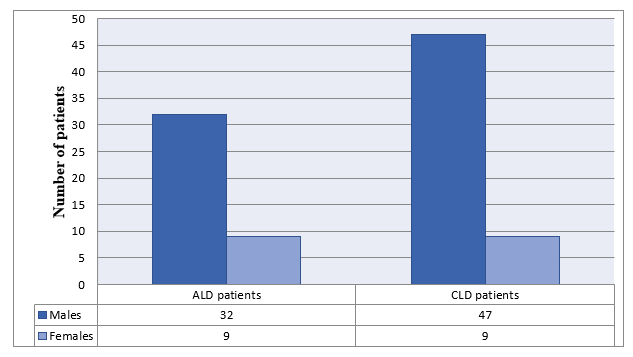
Figure 01: Number of patients in ALD and CLD
Table 01: Demographic profile of patients with Acute Liver Disease
| Age Distribution | No. of patients |
| 20-40 yrs | 10 (24.4%) |
| 40-60 yrs | 15 (36.6%) |
| 60-80 yrs | 16 (39%) |
Table 02: Demographic profile of patients with Chronic Liver Disease
| Age Distribution | No. of Patients |
| 20-40 yrs | 11 (19.6%) |
| 40-60 yrs | 35 (62.5%) |
| 60-80 yrs | 10 (17.9%) |
Table 03: Baseline LFT profile of patients with ALD
| PARAMETERS | MEAN ± SD |
| Total Bilirubin | 1.82 ± 2.42 |
| SGOT | 96.81 ± 117.49 |
| SGPT | 94.78 ± 142.94 |
| Baseline LFT profile of patients with CLD | |
| Total bilirubin | 2.40 ± 3.63 |
| Blood Urea | 46.92 ± 24.14 |
| SGOT | 67.50 ± 43.04 |
| SGPT | 47.10 ± 33.12 |
| ALP | 147.02 ± 63.49 |
Table 04: Number of drugs prescribed in patients with ALD
| Drug Category | Number of prescriptions (%) |
| Antibiotics | 18 (20.68) |
| Vitamins and minerals | 27 (31.04) |
| Anti-Hypertensives drugs | 15 (17.25) |
| Laxatives | 11 (12.64) |
| Antiulcer drugs | 16 (18.39) |
| Total | 87 (100) |
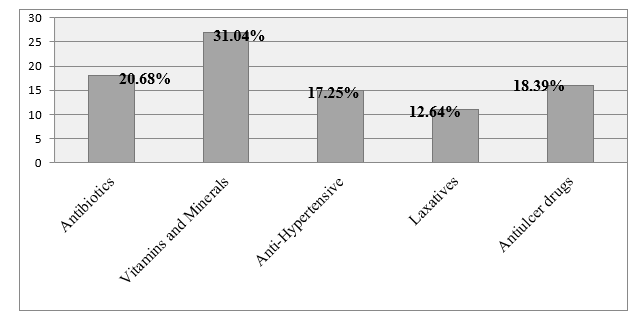
Figure 02: Graphical representation of drugs prescribed in patients with ALD
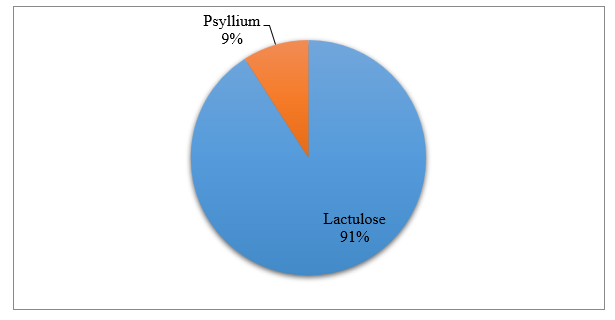
Figure 03: Prescription Pattern of laxatives in ALD patients
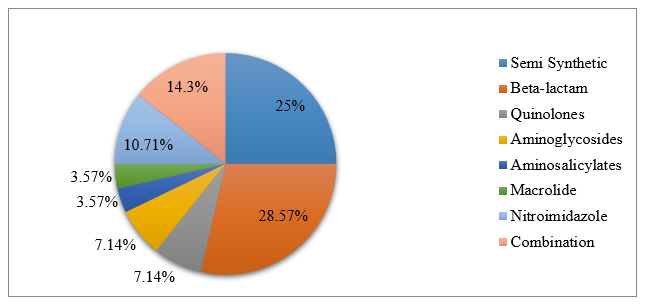
Figure 04: Prescription Pattern of Antibiotics in ALD patients
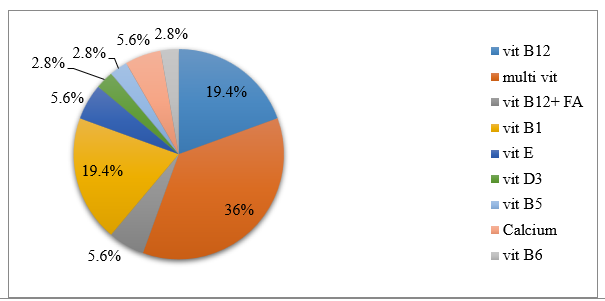
Figure 05: Prescription Pattern of vitamins and minerals in ALD patient
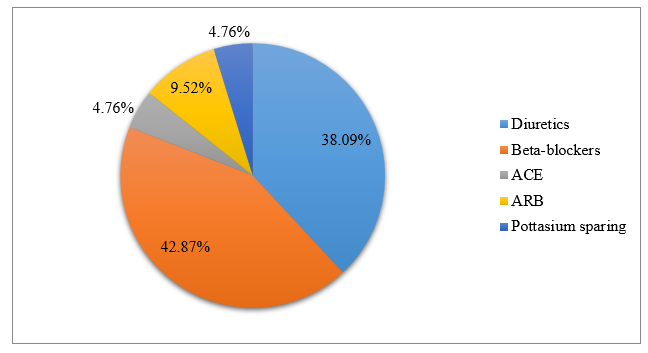
Figure 06: Prescription Pattern of Antihypertensive in ALD patients
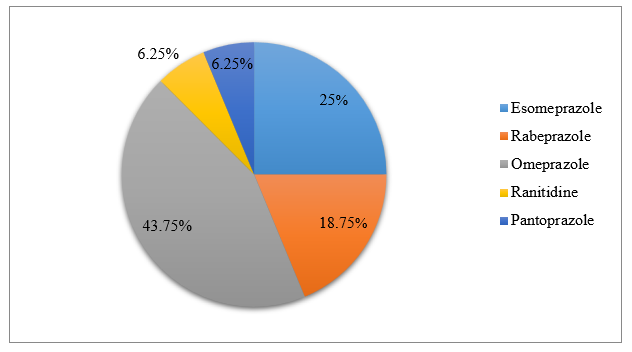
Figure 07: Prescription Pattern of Antiulcer Drugs in ALD patients
In patients with CLD gross 168 drugs prescribed, vitamins and minerals (23.80%) were most frequently prescribed drug with total of 40 prescriptions followed by antibiotics (20.83%) in 35 prescriptions, antihypertensive drugs (16.67%) in 28 prescriptions, laxatives (14.89%) in 25 prescriptions and antiulcer drugs (13.69%) in 23 prescriptions and with least prescribed anti-cholelithic agents (10.12%) in 17 prescriptions. Among the antibiotics, cephalosporin (47%) is the most prescribed followed by semi synthetic antibiotics (25%), fluoroquinolone (7%), beta lactam antibiotics (5%), macrolide (3%) and nitrofurantoin (3%) while the least prescribed are sulphonamides, synthetic antibiotics, chloramphenicol and combination with 2%. In vitamins and minerals, vitaminB12 (19%) are the most prescribed followed by vitamin B1(14%), vitamin K (12%), vitamin B12+folic acid (12%), multivitamin (12%), iron (8%), vitamin B+ vitamin C (7%), erythropoietin (3%), nutritional supplement (3%) while least prescribed are vitaminD3, calcium, lithium and folic acid with 2%. Among antihypertensive agents, beta blocker (41%) is commonly prescribed followed by diuretics (22.7%), potassium sparing (14%), combination (14%), ARB (3.76%) and least prescribed are H2 agonist (2.27%) and calcium channel blocker (2.27%). Within the antiulcer drugs, esomeprazole (37.5%) is commonly prescribed drug followed by pantoprazole (33.4%), Omeprazole (21%) and least prescribed are ranitidine (8.1%).
Table 05: Number of drugs prescribed in patients with CLD
| Drug category | Number of prescriptions (%) |
| Antibiotics | 35(20.83) |
| Vitamins and minerals | 40(23.80) |
| Antiulcer drugs | 23(13.69) |
| Antihypertensive drugs | 28(16.67) |
| Laxatives | 25(14.89) |
| Anticholelithic agent | 17(10.12) |
| Total | 168(100) |
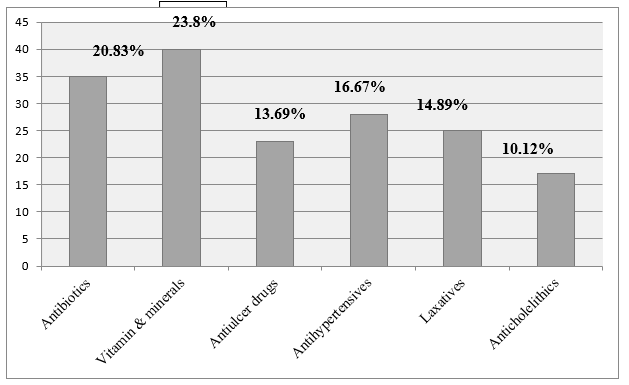
Figure 08: Graphical representation of drugs in patients with CLD
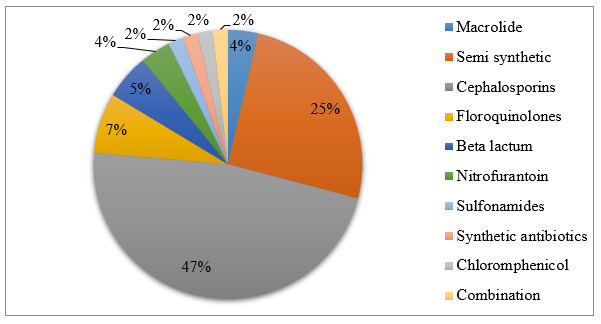
Figure 09: Prescription Pattern of Antibiotics in CLD patients
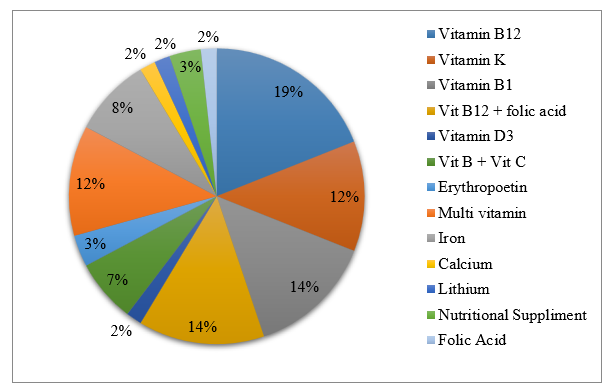
Figure 10: Prescription Pattern of Vitamins & Minerals in CLD patients
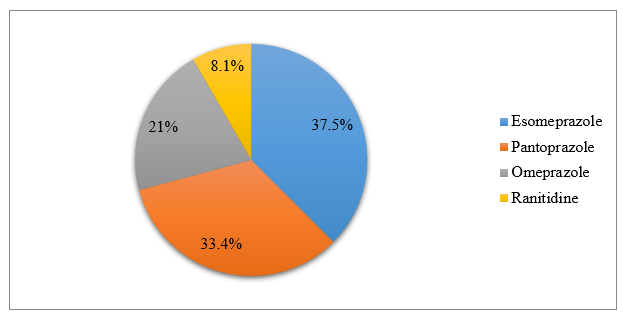
Figure 11: Prescription Pattern of Antihypertensives in CLD
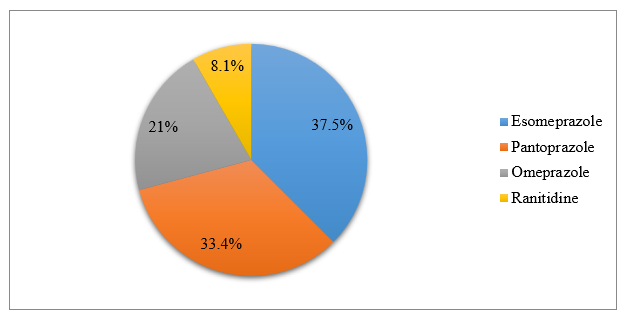
Figure 12: Prescription Pattern of Antiulcer drugs in CLD patients
- DISCUSSION
To the foremost of our understanding this study was the first comprehensive study which had evaluated the prescribing pattern of drugs used in ALD and CLD patients in an integrated manner. Various studies have been done on prescription analysis on ALD. A study included the mortality, risk factor with alcohol consumption, malignancy on index admission, sepsis, and use of hemodialysis/hemofiltration and found the incidence of acute liver failure (ALF) got increased with age [15]. A prospective study concluded the mechanism, risk factors and natural history of drug induced liver disease in children and adults in US in 2010 [16]. Another study done by [17] compared the prescription of opioid and benzodiazepines in patients with cirrhosis and other form of chronic disease and observed the more use of opioids than benzodiazepines in patients with ALD and CLD. Prescription pattern evaluation are the studies to analyze the prescribing, dispensing and distribution pattern of medications. Current study was conducted to describe and evaluate the pattern of drug utilization in ALD & CLD patients in order to optimize benefits and safety for rational use of drugs. Many studies indicated that women were equally prone to liver diseases, but current study showed women were fewer as comparative to men, only 18 women out of total of 97 patients were prone to these diseases. Our results were similar to study done by Kumar et al that indicated females’ patients were lesser than males (9 females among 43 patients with ALD and CLD) [18]. Current study assessed 78% male patients and 22% female patients with ALD and the mean age was found to be 52.92±15.65 years while another study showed mean age 57.9±17.1years of patients with ALF [19]. Similarly, our study showed 84% were males’ patients and 16% were females’ patients with CLD and their mean age calculated was 49.16±12.10 while the study done by Young et al showed 61.2% males and 38.8% females patients suffering from liver cirrhosis with mean age of 56.7 years [20]. LFT profile was observed including total bilirubin (1.82 ± 2.42), SGOT (96.81 ± 117.49), SGPT (94.78 ± 142.94) in ALD patients and total bilirubin (2.40 ± 3.63), SGOT (67.50 ± 43.04), SGPT (47.10 ± 33.12), ALP (147.02 ± 63.49) and blood urea (46.92 ± 24.14) in CLD patients. Other study done by [21] showed total bilirubin (2.78±3.04), SGOT (90.16±70.24), SGPT (78.91±67.92), ALP (199.63±136.24) in patients with alcoholic liver disease. In our study Vitamins & minerals were most frequently prescribed category in CLD patients and antibiotics were the most frequently prescribed medicines in ALD patients and can be anticipated to improve the condition of patients suffering from ALD and CLD. While the study done by [22] showed hepatoprotective agents were the most prescribed drug. So, in this study the most prescribed drugs were multivitamins (36.2%) in ALD patients and vitamin B12 (19.29%) in CLD patients. Our results were similar with the study done by [23] that showed the most common use of multivitamins (30%) in patients with alcoholic liver disease. Another study showed multivitamins were prescribed to all patients with liver cirrhosis [24]. According to the American Association, vitamin deficiency is very common in patients with liver failure. Vitamin E, vitamin A & vitamin C acts as an antioxidant and used in nonalcoholic fatty liver disease [25] while vitamin K improves the coagulopathy of patients and often used in response of elevated INR (International Normalized Ratio) [26]. Antibiotics are considered to be one of the life-saving, cost effective and contribute by increasing the lifespan. Inappropriate usage causes the prolonged hospitalization and raises in mortality [27]. So, monitoring the prescription pattern is important to control the antibiotic resistance [28]. Our study showed cephalosporins were the most frequently prescribed antibiotics (47.27% in CLD and 28.57% in ALD) which was in accordance with the study performed by [29] that showed cephalosporins were prescribed to 44.96% patients with cirrhosis. Similarly, another study also showed cephalosporins were the most prescribed among antibiotics to 28.91% inpatients [30]. Hepatoprotective agents are mostly derived from medicinal plants, having favourable effect on liver. Their compositions (mono and poly-herbal) have been used since ages for treatment of various liver disorders [31]. Urodeoxycholic acid (UDCA) is used to improve aminotransferases and steatosis and also the liver histology in patients with non-alcoholic fatty liver disease (NAFLD) [32]. In our study, Ursodeoxycholic acid (UDCA) (10.12%) was the only hepatoprotective agent prescribed but the study conducted by [33] showed use of various agents such as Liv 52(36.94%), UDCA (36.54%), pentoxifylline (9%), silymarin (4.9%) and metadoxine (12.7%) in prescription. Moreover, study done by [34] also showed UDCA was most common hepatoprotective agent administered to 12% of admitted patients with cirrhosis. The commonly used antihypertensives such as amlodipine, captopril, furosemide, metoprolol, propranolol and spironolactone all reduces ethanol induced reactive oxygen species (ROS) accumulation in patients with Alcoholic liver disease. Similarly, captopril, metoprolol, and spironolactone protect human hepatocytes best from rhTGF-β1(recombinant human-Transforming growth factor) induced cellular damage [35]. Moreover, the patients with nonalcoholic steatosis-related cirrhosis have increased incidence of dyslipidemia, hypertension, and coronary artery disease. So, the antihypertensives are used such as α-blocker, ACE, angiotensin receptor blocker and other drugs used in cardiovascular diseases with the dosage adjustment while Satins appear to be remarkably safe in patients with liver cirrhosis [36]. Some of the patients were suffering from hypertension so antihypertensives were prescribed as therapy. So, in the current study β-blockers (43%) were the most prescribed drug followed by diuretics with 38% among antihypertensives in patients with ALD. In patients with CLD as well β- blockers (41%) were commonly prescribed and diuretics (38%) among antihypertensives while the previous study done by [37] showed β- blockers were prescribed to 13.3% patients and 64.8% patients were prescribed with diuretics to treat the complications and prophylaxis of liver cirrhosis. Another study showed diuretics were prescribed in 8.72% prescriptions to patients with alcoholic liver disease [38]. Ulcer causes damage in the mucous lining of stomach/intestine that can cause the condition of shock, sepsis or trauma and further causes gastrointestinal bleeding. H2 blockers, proton pump inhibitors (PPI) and Antacids are mostly prescribed to the patients with long-term illness and with multiple drug therapy including patients in ICU (intensive care unit) [39]. Our study showed the use of antiulcer drugs, omeprazole (43.75%) in ALD and esomeprazole (37.5%) in CLD was most commonly prescribed antiulcer drugs while the study by [40,41] showed pantoprazole was most prescribed in patients with alcoholic liver disease and hepatic impairment. Medications such as antihypertensives, diuretics, pain medications and iron supplements can cause constipation. Other causative factors of constipation could be psychosocial and behavioral factors which may also lead to the development of conditions such as dehydration, decreased mobility and inadequate caloric intake [42]. A study concluded patients taking lactulose as laxative had comparatively more normal stools and fewer side effects with respect to diarrhea and abdominal distention [43]. Our study showed lactulose is the highest prescribed laxative among 91% patients with ALD and to all the patients with CLD. Our results are similar to study done by [44] that also showed lactulose (46.9%) was the most prescribed laxative. Another study by [45] showed lactulose was prescribed to every patient with liver cirrhosis. However, we assume that our study gives important results. Further, this study can be performed on large number of populations which will be valuable for evaluation of prescription pattern.
- CONCLUSION
In this study, total of 97 prescriptions of patients with liver disease were analyzed. Out of 97 patients, the majority of patients were male. In ALD, males were 32(78%) whereas female were 9(22%) while in CLD males were 47(84%) and females were 9(16%). The youngest patient was aged 28yrs in ALD and 22yrs in CLD whereas oldest patient was aged 80yrs in both. The mean age of study population in ALD was 52.92 ± 15.65 and in CLD were 49.6 ± 12.10. While observing the LFT profile of patients with ALD common tests were observed which includes total bilirubin (1.82±2.42), SGOT (96.81±117.49) and SGPT (94.78±142.94) and in patients with CLD common tests were observed which includes total bilirubin (2.50±3.63), SGOT (67.50±43.04), SGPT (47.10±33.12), Blood urea (46.92±24.14) and alkaline phosphatase (147.02±63.14). The study interprets the prescribing pattern of drugs used in patients with ALD and CLD and observed that Vitamins & minerals and Antibiotics were the most prescribed in order to avoid further complications followed by hepatoprotective agents, antiulcer drugs, antihypertensives and laxatives. Multivitamins were the commonly prescribed vitamin and Cephalosporin was the most prescribed antibiotic. Ursodeoxycholic acid was the only prescribed hepatoprotective agent to prevent the further damage of liver. Lactulose and esomeprazole were also prescribed to many patients to avoid the complications from multiple drug therapy. Our observation study interprets the prescribing pattern of drugs used in patients with ALD and CLD and observed that Vitamins & minerals and Antibiotics were the most prescribed in order to avoid further complications followed by hepatoprotective agents, antiulcer drugs, antihypertensives and laxatives. Multivitamins were the commonly prescribed vitamin and Cephalosporin was the most prescribed antibiotic. Ursodeoxycholic acid was the only prescribed hepatoprotective agent to prevent the further damage of liver. Lactulose and esomeprazole were also prescribed to many patients to avoid the complications from multiple drug therapy. This study projects the need of more such studies in larger group of patients for generation of more relevant clinical findings.
AUTHOR CONTRIBUTION STATEMENT
Ranjit Saha & Rajan Manandhar: Substantial contributions to the conception or design of the work; or the acquisition, analysis, or interpretation of data for the work, Drafting the work or reviewing it critically for important intellectual content; AND Final approval of the version to be published, and Agreement to be accountable for all aspects of the work in ensuring that questions related to the accuracy or integrity of any part of the work are appropriately investigated and resolved.
ACKNOWLEDGEMENTS: No specific individuals, institutions, or organizations contributed additional support or assistance requiring formal acknowledgement for this study.
DECLARATIONS:
Funding: This research received no specific grant, financial support, or funding from any public, commercial, or non-profit organization.
Conflicts Of Interest: The authors declare that there are no conflicts of interest, financial or otherwise, that could have influenced the research, analysis, or interpretation of the findings presented in this article.
Data Availability: The datasets and information used in this study are publicly available from the sources cited within the article. No proprietary or restricted data were used.
Trial Registration: Trial registration is not applicable to this study, as it does not involve clinical trials, human participants, or experimental interventions.
Generative AI Disclosure: Generative artificial intelligence tools were not used for generating research data, conducting analyses, or producing scientific conclusions in this study. The authors take full responsibility for the content and accuracy of the manuscript.
REFERENCES
- Agus ZS, Dukes ID, Morad MA. Divalent cations modulate the transient outward current in rat ventricular myocytes. American Journal of Physiology-Cell Physiology. 1991 Aug 1;261(2):C310-8.
- Amarapurkar DN. Prescribing medications in patients with decompensated liver cirrhosis. International journal of hepatology. 2011 Aug 22;2011.
- Angeli P, Fasolato S, Mazza E, Okolicsanyi L, Maresio G, Velo E, Galioto A, Salinas F, D’Aquino M, Sticca A, Gatta A. Combined versus sequential diuretic treatment of ascites in non-azotaemic patients with cirrhosis: results of an open randomised clinical trial. Gut. 2010 Jan 1;59(01):98-104.
- Bennett WG, Inoue Y, Beck JR, Wong JB, Pauker SG, Davis GL. Estimates of the cost-effectiveness of a single course of interferon-α2b in patients with histologically mild chronic hepatitis C. Annals of internal medicine. 1997 Nov 15;127(10):855-65.
- Bergasa NV, Alling DW, Talbot TL, Swain MG, Yurdaydin C, Turner ML, Schmitt JM, Walker EC, Jones EA. Effects of naloxone infusions in patients with the pruritus of cholestasis: a double-blind, randomized, controlled trial. Annals of internal medicine. 1995 Aug 1;123(3):161-7.
- Cabre E, Gonzalez-Huix F, Abad-Lacruz A, Esteve M, Acero D, Fernandez-Banares F, Xiol X, Gassull MA. Effect of total enteral nutrition on the short-term outcome of severely malnourished cirrhotics: a randomized controlled trial. Gastroenterology. 1990 Mar 1;98(3):715-20.
- Chalasani N, Younossi Z, Lavine JE, Charlton M, Cusi K, Rinella M, Harrison SA, Brunt EM, Sanyal AJ. The diagnosis and management of nonalcoholic fatty liver disease: practice guidance from the American Association for the Study of Liver Diseases. Hepatology. 2018 Jan 1;67(1):328-57.
- Choudhuri G, Chaudhari S, Pawar D, Roy DS. Etiological Patterns, Liver Fibrosis Stages and Prescribing Patterns of Hepato-Protective Agents in Indian Patients with Chronic Liver Disease. Journal of The Association of Physicians of India. 2018 Nov;66:58.
- Levy and K. D. Lindor, “Current management of primary biliary cirrhosis and primary sclerosing cholangitis,” Journal of Hepatology, vol. 38, supplement 1, pp. S24–S37, 2003.
- Delco F, Tchambaz L, Schlienger R, Drewe J, Krähenbühl S. Dose adjustment in patients with liver disease. Drug safety. 2005 Jun 1;28(6):529-45.
- Elpek GÖ. Cellular and molecular mechanisms in the pathogenesis of liver fibrosis: An update. World journal of gastroenterology: WJG. 2014 Jun 21; 20(23):7260.
- Fong TL, Valinluck B, Govindarajan S, Charboneau F, Adkins RH, Redeker AG. Short-term prednisone therapy affects aminotransferase activity and hepatitis C virus RNA levels in chronic hepatitis C. Gastroenterology. 1994 Jul 1;107(1):196-9.
- Francis SA, Smith F, Malkinson J. Integrated Pharmacy Case Studies. Pharmaceutical Press; 2015 Jun 5.
- Gawande A, Gupta GK, Gupta A, Wanjari SJ, Goel V, Rathore V, Bhardwaj H, Nijhawan S. Acute-on-Chronic Liver Failure: Etiology of Chronic and Acute Precipitating Factors and Their Effect on Mortality. Journal of Clinical and Experimental Hepatology. 2019 Apr 28. Simko V. Alkaline phosphatases in biology and medicine. Dig Dis 1991; 9: 189-193.
- Ho CM, Lee CH, Wang JY, Lee PH, Lai HS, Hu RH. Nationwide longitudinal analysis of acute liver failure in Taiwan. Medicine. 2014 Jun;93(4).
- Holland LL, Brooks JP. Toward rational fresh frozen plasma transfusion: the effect of plasma transfusion on coagulation test results. American journal of clinical pathology. 2006 Jul 1;126(1):133-9.
- Hong M, Li S, Tan H, Wang N, Tsao SW, Feng Y. Current status of herbal medicines in chronic liver disease therapy: the biological effects, molecular targets and future prospects. International journal of molecular sciences. 2015 Dec;16(12):28705-45.
- Jain S, Upadhyaya P, Goyal J, Kumar A, Jain P, Seth V, Moghe VV. A systematic review of prescription pattern monitoring studies and their effectiveness in promoting rational use of medicines. Perspectives in clinical research. 2015 Apr;6(2):86.
- Joutsiniemi T, Timonen S, Leino R, Palo P, Ekblad U. Ursodeoxycholic acid in the treatment of intrahepatic cholestasis of pregnancy: a randomized controlled trial. Archives of gynecology and obstetrics. 2014 Mar 1;289(3):541-7.
- Lancet T. Liverdiseases in Europe.
- Levick C. How to interpret liver function tests. South Sudan Medical Journal. 2017;10(2):40-3
- Loguercio C, Abbiati R, Rinaldi M, Romano A, Blanco CD, Coltorti M. Long-term effects of Enterococcus faecium SF68 versus lactulose in the treatment of patients with cirrhosis and grade 1–2 hepatic encephalopathy. Journal of hepatology. 1995 Jul 1;23(1):39-46.
- Lucena IM, Andrade RJ, Tognoni G, Hidalgo R, de la Cuesta F, Spanish Collaborative Study Group on Therapeutic Management in Liver Disease. Multicenter hospital study on prescribing patterns for prophylaxis and treatment of complications of cirrhosis. European journal of clinical pharmacology. 2002 Sep 1;58(6):435-40.
- Pimpin L, Cortez-Pinto H, Negro F, Corbould E, Lazarus JV, Webber L, Sheron N, EASL HEPAHEALTH Steering Committee. Burden of liverdiseases in Europe: epidemiology and analysis of risk factors to identify prevention policies. Journal of hepatology. 2018 Sep 1; 69(3):718-35.
- Plauth M, Cabre E, Campillo B, Kondrup J, Marchesini G, Schütz T, Shenkin A, Wendon J. ESPEN guidelines on parenteral nutrition: hepatology. Clinical nutrition. 2009 Aug 1;28(4):436-44.
- Plauth M, Cabre E, Riggio O, Assis-Camilo M, Pirlich M, Kondrup J, Ferenci P, Holm E, Vom Dahl S, Müller MJ, Nolte W. ESPEN guidelines on enteral nutrition: liver disease. Clinical nutrition. 2006 Apr 1;25(2):285-94.
- Sokol SI, Cheng A, Frishman WH, Kaza CS. Cardiovascular drug therapy in patients with hepatic diseases and patients with congestive heart failure. The Journal of Clinical Pharmacology. 2000 Jan;40(1):11-30.
- Solomou E, Velissaris D, Polychronopoulos P, Kalogeropoulos A, Kiriakopoulou M, Mpadra F, Kordonouri T, Karantza Ch. Quantitative evaluation of magnetic resonance imaging (MRI) abnormalities in subclinical hepatic encephalopathy. Hepatogastroenterology 2005; 52: 203-207.
- Sungaila I, Bartle WR, Walker SE, DeAngelis C, Uetrecht J, Pappas C, Vidins E. Spironolactone pharmacokinetics and pharmacodynamics in patients with cirrhotic ascites. Gastroenterology. 1992 May 1;102(5):1680-5.
- Verma and N. Kaplowitz, “Diagnosis, management and prevention of drug-induced liver injury,” Gut, 2009 58;11: 1555–1564.
- Terrault NA, Bzowej NH, Chang KM, Hwang JP, Jonas MM, Murad MH, et al. AASLD guidelines for treatment of chronic hepatitis B. Hepatology. 2016 Jan. 63 (1):261-83.
- Thapa BR, Walia A. Liver function tests and their interpretation. The Indian Journal of Pediatrics. 2007 Jul 1; 74(7):663-71.
- Thawley V. Acute liver injury and failure. Veterinary Clinics: Small Animal Practice. 2017 May 1; 47(3):617-30.
- Toews I, George AT, Peter JV, Kirubakaran R, Fontes LE, Ezekiel JP, Meerpohl JJ. Interventions for preventing upper gastrointestinal bleeding in people admitted to intensive care units. Cochrane Database of Systematic Reviews. 2018 Jun 4;6.
- Vijayan M, Anisha KA, Selina AS, Roshni PR. Clinical Profile and Prescribing Pattern of Cirrhosis in a Tertiary Care Hospital. Indian Journal of Pharmacy Practice. 2014 Jul;7(3):69.
- Villa E, Cammà C, Marietta M, Luongo M, Critelli R, Colopi S, Tata C, Zecchini R, Gitto S, Petta S, Lei B. Enoxaparin prevents portal vein thrombosis and liver decompensation in patients with advanced cirrhosis. Gastroenterology. 2012 Nov 1;143(5):1253-60.
- Vuppalanchi R, Chalasani N. Statins for hyperlipidemia in patients with chronic liver disease: are they safe? Clinical Gastroenterology and Hepatology. 2006 Jul 1;4(7):838-9.
- Björnsson, E. S. (2022). Drug-induced liver injury: An overview over the most critical compounds. Archives of Toxicology, 96(2), 327-334. https://doi.org/10.1007/s00204-021-03243-3
- Chalasani, N. P., Maddur, H., Russo, M. W., Wong, R. J., & Reddy, K. R. (2021). ACG Clinical Guideline: Diagnosis and management of idiosyncratic drug-induced liver injury. American Journal of Gastroenterology, 116(5), 878-898. https://doi.org/10.14309/ajg.0000000000001259
- European Association for the Study of the Liver. (2023). EASL Clinical Practice Guidelines on drug-induced liver injury. Journal of Hepatology, 79(6), 1487-1536. https://doi.org/10.1016/j.jhep.2023.07.006
- Teschke, R., Danan, G., & Idiosyncratic Drug-Induced Liver Injury Consortium. (2023). Drug-induced liver injury: Current status and future directions for diagnosis and treatment. Expert Opinion on Drug Metabolism & Toxicology, 19(3), 185-201. https://doi.org/10.1080/17425255.2023.2178226
- Ramachandran, A., & Jaeschke, H. (2022). Mechanisms of acetaminophen hepatotoxicity and their clinical implications. Pharmacology & Therapeutics, 232, 107995. https://doi.org/10.1016/j.pharmthera.2021.107995
- Andrade, R. J., Aithal, G. P., Björnsson, E. S., Kaplowitz, N., Kullak-Ublick, G. A., Larrey, D., Mullhaupt, B., & Suzuki, A. (2023). Evolving concepts in drug-induced liver injury following regulatory and clinical advances. Nature Reviews Gastroenterology & Hepatology, 20(11), 712–728. https://doi.org/10.1038/s41575-023-00815-2
- Hoofnagle, J. H., Serrano, J., Knoben, J. E., & Navarro, V. J. (2022). LiverTox: A comprehensive resource for drug-induced liver injury. Hepatology Communications, 6(10), 2805–2814. https://doi.org/10.1002/hep4.2047
- Williams, R., Aspinall, R., Bellis, M., Camps-Walsh, G., Cramp, M., Dhawan, A., Ferguson, J., Forton, D., Foster, G., Gilmore, I., Hudson, M., Kelly, D., Langford, A., Lombard, M., Longworth, L., Martin, N., Moriarty, K., Newsome, P., O’Grady, J., … Day, N. (2021). Addressing liver disease in the United Kingdom: A blueprint for attaining excellence in health care and reducing premature mortality from lifestyle issues of excess consumption of alcohol, obesity, and viral hepatitis. The Lancet, 384(9958), 1953–1997. https://doi.org/10.1016/S0140-6736(14)61838-9
Supplemental Material
No supplementary files, datasets, figures, or additional materials are associated with this study. Any information necessary to understand and evaluate the work is included in the main article.
Citation
Ranjit Saha & Rajan Manandhar (2026). Prescription Pattern Analysis in Patients with Acute Liver. Dinkum Journal of Medical Innovations, 5(02): 104-117. https://doi.org/10.71017/djmi.5.02.d-0571
DOI
https://doi.org/10.71017/djmi.5.02.d-0571
Identification
D-0571
Publication History
Submitted: 22-12-2025
Accepted: 02-02-2026
Published: 28-02-2026
Copyright
© The Author(s) 2026
Publishing License
This is an Open Access article distributed under the terms of the Creative Commons Attribution (CC BY 4.0) License.
Copyright
© The Author(s) 2026
Publishing License

 This is an Open Access article distributed under the terms of the Creative Commons Attribution (CC BY 4.0) License .