
Vol. 5 No.01 (2026) | Page: 50-63 | Original Article 
Examining The Impact of Road Traffic Accidents on The Development of Tamale Metropolis of Northern Ghana
Ayaaba Ibrahim Bawumia 1*
-
- Faculty Of Education, University for Development Studies (UDS), Tamale, Ghana.
 ibrahimbawumiagh@gmail.com




ABSTRACT
Background: Road traffic accidents (RTAs) are a major public health and development challenge, particularly in developing countries. Beyond causing injuries and fatalities, RTAs negatively affect economic productivity, household livelihoods, and social welfare.
Objective: This study aimed to examine the impact of road traffic accidents on the socio-economic development of the Tamale Metropolis in the Northern Region of Ghana.
Methods: The study employed a case study design using a mixed-methods approach. A total of 90 respondents, comprising 51 males and 39 females, were selected through probability and non-probability sampling techniques. Data were collected using questionnaires, Focus Group Discussions (FGDs), and Key Informant Interviews (KIIs).
Results: The study revealed that road traffic accidents have significant adverse effects on development in the Tamale Metropolis. Major socio-economic impacts included reduced productivity, unemployment, loss of household breadwinners, and decreased economic output.
Conclusion: Road traffic accidents pose a substantial threat to both social and economic development in the Tamale Metropolis. Strengthening road safety education, enforcing traffic regulations, improving driver training, rehabilitating deteriorated road infrastructure, and enhancing the operational capacity of relevant stakeholders are essential measures for reducing road crashes and promoting sustainable development.
Keywords: road traffic accidents, socio-economic development, road safety, public health, traffic law enforcement, tamale metropolis
Key points:
- How do road traffic accidents affect socioeconomic development in Tamale Metropolis, Ghana?
- Road traffic accidents reduce productivity, increase unemployment, and diminish household economic output.
- Strengthening road safety education, traffic law enforcement, driver training, and road infrastructure can support sustainable socioeconomic development.
- INTRODUCTION
Road traffic crashes remain one of the most serious public health and development challenges worldwide [1]. Despite decades of road safety interventions, the number of deaths and injuries resulting from road traffic accidents continues to rise, particularly in low- and middle-income countries [2]. International evidence suggests that road traffic injuries are among the leading causes of mortality and disability and impose substantial social and economic costs on individuals, families, and nations. Beyond the loss of life, crashes reduce workforce productivity, increase healthcare expenditures, and place a significant burden on already constrained public resources [3]. The impact of road traffic crashes is especially severe in developing countries, where rapid urbanization, inadequate transport infrastructure, weak enforcement of traffic regulations, and limited road safety awareness contribute to high accident rates. These countries account for a disproportionate share of global road traffic fatalities despite having fewer vehicles than developed nations [4]. Furthermore, victims in developing countries are more likely to suffer severe injuries or death, creating long-term consequences for household welfare and national development. The economic losses associated with road traffic injuries are substantial, often consuming a significant share of national income and undermining efforts to achieve sustainable development [4,17]. In Ghana, road traffic crashes continue to pose a major threat to social and economic progress. Thousands of crashes are recorded annually, resulting in significant numbers of deaths and injuries. Pedestrians, particularly children and young adults, remain among the most vulnerable road users [5]. The burden of these crashes extends beyond the immediate victims, affecting families who lose breadwinners, increasing dependency ratios, and reducing overall labor force participation. The economic implications are equally concerning, as substantial financial resources are spent on emergency response, medical treatment, rehabilitation, and property replacement [6]. The situation is particularly evident in the Tamale Metropolis, where road traffic crashes have become a persistent concern [7]. The metropolis has experienced a considerable number of crashes involving vehicles, motorcycles, and pedestrians, leading to loss of lives, injuries, and damage to property [8]. Many of the victims are economically active young men and women whose deaths or disabilities reduce household incomes and limit economic productivity. For affected families, the consequences often include increased financial hardship, loss of livelihood, and long-term social challenges [9,18]. In addition, serious injuries may result in permanent disabilities, creating further burdens on caregivers and society [10,19]. Although considerable attention has been given to poverty reduction, infectious diseases, and other development issues, the developmental consequences of road traffic crashes have received relatively less attention [11,20]. Given their impact on human capital, productivity, public health, and economic growth, road traffic crashes represent an important development issue that requires urgent policy attention. Understanding the relationship between road traffic crashes and development is therefore essential for designing effective interventions and promoting sustainable urban growth [12,21]. Against this backdrop, the present study examines the impact of road traffic crashes on the development of the Tamale Metropolis in Northern Ghana. Specifically, the study seeks to explore how road traffic crashes affect the social and economic well-being of individuals, households, and the broader community, while identifying measures that can help reduce crash incidence and support sustainable development [14,22].
- MATERIALS AND METHODS
This study employed a case study design complemented by a descriptive survey approach to investigate the causes, impacts, and mitigation strategies associated with road traffic crashes in the Tamale Metropolis. Anchored in a mixed-methods framework, the study integrated both quantitative and qualitative research techniques to provide a comprehensive understanding of the issue. Primary data were collected through questionnaires, key informant interviews, and focus group discussions, while secondary data were obtained from academic literature, government reports, institutional publications, and other relevant documentary sources. The adoption of the case study design facilitated an in-depth examination of road traffic crashes within their real-life context and enabled a nuanced understanding of the experiences and perspectives of affected stakeholders. The descriptive survey design complemented this approach by generating quantifiable data on respondents’ knowledge, perceptions, and experiences regarding road traffic crashes. The integration of these designs enhanced the breadth, depth, and validity of the study findings. The study population comprised residents of the Tamale Metropolis aged 15 years and above. A total of 90 respondents participated in the study, including 51 males and 39 females drawn from diverse occupational backgrounds, namely drivers, students, traders, security personnel, and public or civil servants. Both probability and non-probability sampling techniques were employed to ensure adequate representation and the inclusion of respondents with relevant knowledge and experiences. Probability sampling enhanced the representativeness of the sample, while non-probability sampling facilitated access to participants possessing specialized information relevant to the study objectives. A mixed-methods research approach was adopted to capitalize on the complementary strengths of quantitative and qualitative methodologies. The quantitative component enabled the systematic collection and statistical analysis of measurable data, thereby identifying patterns, trends, and relationships associated with road traffic crashes. The qualitative component provided deeper insight into participants’ lived experiences, perceptions, and concerns, thereby enriching the interpretation of quantitative findings. The integration of both approaches allowed for a more holistic assessment of the implications of road traffic crashes for human development within the metropolis. Data collection involved the administration of structured questionnaires comprising both closed-ended and open-ended items. A total of 80 questionnaires were distributed among students, traders, security personnel, and public and civil servants. In addition, key informant interviews were conducted with officials of the National Road Safety Commission and the Motor Traffic and Transport Department (MTTD) of the Ghana Police Service, owing to their extensive knowledge and professional experience in road safety management. Focus group discussions were further conducted with drivers and senior high school students to generate broader community perspectives and facilitate interactive discussions on road safety challenges within the metropolis. Quantitative data were edited, coded, and analyzed using the Statistical Package for the Social Sciences (SPSS) Version 22. The results were summarized using descriptive statistical techniques and presented in tables and figures aligned with the research objectives and questions. Qualitative data obtained from interviews and focus group discussions were transcribed, coded, and analyzed thematically. Findings from both datasets were subsequently integrated to provide a comprehensive understanding of the nature and developmental consequences of road traffic crashes in the Tamale Metropolis. The study was conducted in the Tamale Metropolis, located in the Northern Region of Ghana. The metropolis serves as the administrative and commercial hub of the region and covers approximately 646.9 km². It shares boundaries with the Sagnarigu District to the northwest, Mion District to the east, East Gonja District to the south, and Central Gonja District to the southwest. According to the 2010 Population and Housing Census, Tamale had a population of 223,252, comprising 111,109 males (49.7%) and 112,143 females (50.3%). The metropolis is predominantly urban, with more than four-fifths of its population residing in urban communities. As a major economic and transportation center in northern Ghana, Tamale experiences significant movement of people, goods, and services. The metropolis is characterized by rapid urbanization, increasing vehicular activity, and a youthful, economically active population engaged in commerce, agriculture, manufacturing, transportation, and public service sectors. These demographic and socioeconomic characteristics make the metropolis an appropriate setting for examining the prevalence, determinants, and developmental implications of road traffic crashes. The findings of this study are therefore expected to contribute to evidence-based road safety policies and interventions aimed at reducing crash-related injuries, fatalities, and broader socioeconomic consequences within the metropolis.
- RESULTS & DISCUSSION
This section presents the analysis and discussions of respondents’ demographic characteristics. In examining the demographic characteristics of respondents, the following five variables were analyzed; Sex, age distribution, educational background, marital status and occupational distribution of respondents.
Table 01: Showing Sex Distribution of the Respondents
| SEX | FREQUENCY | PERCENT |
| MALE | 51 | 65.4 |
| FEMALE | 27 | 34.6 |
| TOTAL | 78 | 100 |
The above table displays the sex distributions of the respondents for the study. Out of the 78 respondents, 51 were males, representing 65.4 percent of the total respondents and 27 were females representing 34.6 of the entire Sample population for the study. These showed that, even though equal chances were given to both sex, males dominated in the contribution of knowledge in this study.
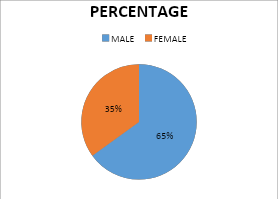
Figure 01: A Pie chart showing the Sex Distribution of the Respondents
Table 02: Age Distribution of the Respondents
| Age Range | Frequency | Percent |
| 15-19 | 17 | 21.8 |
| 20-24 | 17 | 21.8 |
| 25-29 | 10 | 12.8 |
| 30-34 | 6 | 7.7 |
| 35-39 | 14 | 17.5 |
| 40-44 | 7 | 9.0 |
| 45-49 | 3 | 3.8 |
| 50-54 | 4 | 5.1 |
| TOTAL | 78 | 100 |
The table above shows that, 17 of the respondents were between the ages of 15 and 19 years representing 21.8 percent, 17 were between the ages of 20 and 24 years representing 21.8 percent, 10 of them were between the ages of 25 and 29 years representing 12.8 percent, 6 of them were between 30 to 34 years representing 7.7 percent, 14 of the respondents were between the ages of 35 to 39 years representing 17.9 percent, 7 of the respondents were between the ages of 40 to 44 years representing 9.0 percent, 3 of them were between the ages of 45 to 49 years representing 3.8 percent and 4 of the respondents were between the ages of 50 to 54 years representing 5.1 percent.
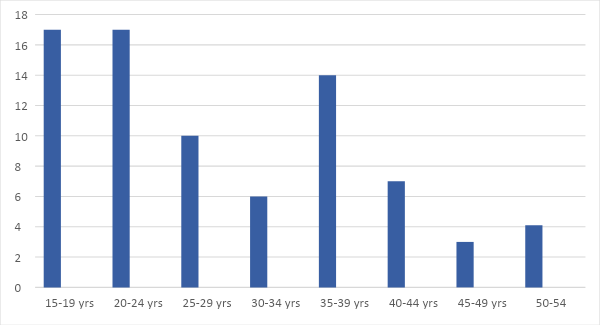
Figure 02: A Bar Chart Showing Age Distribution of Respondents
Table 03: Showing Marital Status of the Respondents
| Marital Status | Frequency | Percent |
| Married | 35 | 44.9 |
| Single | 43 | 55.1 |
| Total | 78 | 100 |
Out of the 78 respondents, 35 of the respondents indicates they are married representing 44.9% and 43 respondents indicates they are single representing 55.1% of the total respondents who administered the questionnaires.
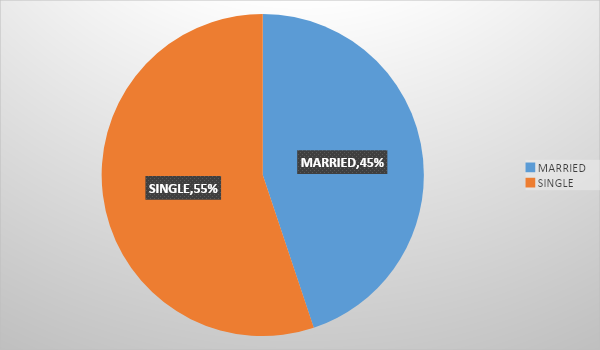
Figure 03: A Pie chart showing the Marital Status of Respondents
Table 04: Showing Educational Status of the Respondents
| Educational status | Frequency | Percent |
| No Formal Education | 10 | 12.8 |
| Primary/Middle School | 21 | 26.9 |
| Secondary/Technical | 29 | 37.2 |
| Tertiary | 18 | 23.1 |
| Total | 78 | 100 |
10 out of the 78 respondents indicates they have no formal education representing 12.8%, 21 of the respondents indicates they had primary school and middle school qualification representing 26.9%, 29 respondents indicate they had their formal education up to the secondary or technical level representing 37.2%, and 18 respondents indicates they had their education to the tertiary level, this represent 23.1% of the total respondents. The analysis above indicated that some of the respondents have no formal education, implies that the study has not been bias in terms of the choice of respondents by the researcher. It further indicates that there was a balance of both educated and non-educated persons to contribute meaningfully to the study.
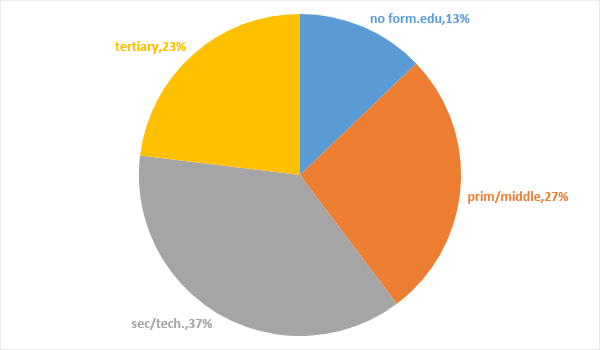
Figure 04: A Pie chart showing the Educational Status of Respondents
Table 05: Showing Occupational Distribution of Respondents.
| Occupational Distribution | Frequency | Percent |
| Student | 30 | 38.5 |
| Driver | 12 | 15.4 |
| Trader | 12 | 15.4 |
| Security Service | 11 | 14.1 |
| Public Servant | 13 | 16.7 |
| Total | 78 | 100 |
30 out of the 78 respondents were students of various levels, which represent 38.5%t, 12 of the respondents were drivers by profession which represent 15.4%, 12 of the respondents were traders representing 15.4%, 11 of the respondents were from the various security services which represent 14.1% and 13 of the respondents were public servants from the various offices which represent 16.7% of the total respondents. These diverse occupational respondents were engaged to enable all individuals from both formal and non-formal sectors to be involved in this study to give way for fair representation in the study. This implies the research was based on relevant information given by matured participant respondents for the study.
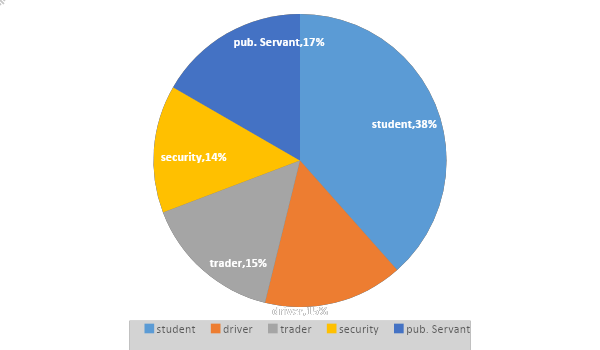
Figure 05: A Pie chart showing the Occupational Distribution of Respondents
To assess the perception of stakeholders on road traffic crashes in the Tamale Metropolis of Northern Ghana. Objective one was assess the perception of stakeholders in the Tamale Metropolis. This was done by asking these stakeholders about their experience regarding road traffic crashes, the kind or degree of crashes witnessed by them, thus whether these crashes were fatal, serious or minor.
Table 06: Stakeholders Experience Regarding Road Traffic Crashes in The Tamale Metropolis.
| Stakeholders Who Have Had Road Traffic Crashes Before | Frequency | Percent |
| Yes | 26 | 33.3 |
| No | 52 | 66.7 |
| Total | 78 | 100 |
The table above contains the responses from the respondents in relation to the question that seeks to find out whether participants have ever had road traffic crashes before. The aim of this question was to determine the knowledge level of participants regarding road traffic crashes. Out of the 78 respondents, 26 of the respondents thus 33.3% who administered the questionnaires indicates they have had a road traffic crash before and 52 of the respondents thus 66.7% indicates they have not had a road traffic crash before.
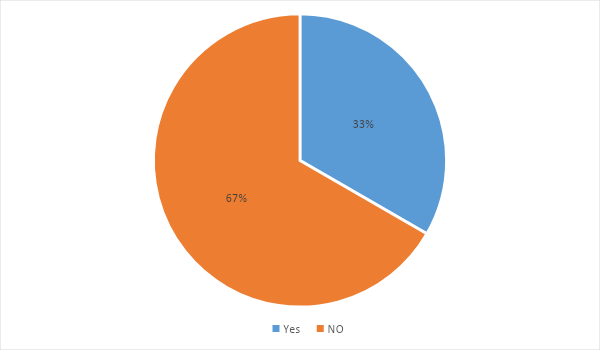
Figure 06: Respondents Who Had Road Traffic Crashes Before
Table 07: Stakeholders Who Have Witnessed Road Traffic Crashes in Tamale Metropolis
| Stakeholders Who Have Witnessed Road Traffic Crashes Before | Frequency | Percent |
| YES | 57 | 73.1 |
| No | 21 | 26.9 |
| Total | 78 | 100 |
Some of the respondents stated that, they have not only had road traffic crashes before, but they have witnessed it as well. Others also indicated that, they have never had road traffic crashes before but they have only witnessed it before. 57 out of the 78 thus 73.1% of the respondents who responded to the questionnaires indicates they have witnessed road traffic crash before and 21 of the respondents indicates they have not witnessed road traffic crash before thus 26.9% of the respondents. The respondents who said yes thus they have either had or witnessed road traffic crashes before, stated the degree or nature of those crashes. That is either they were fatal, serious or minor.
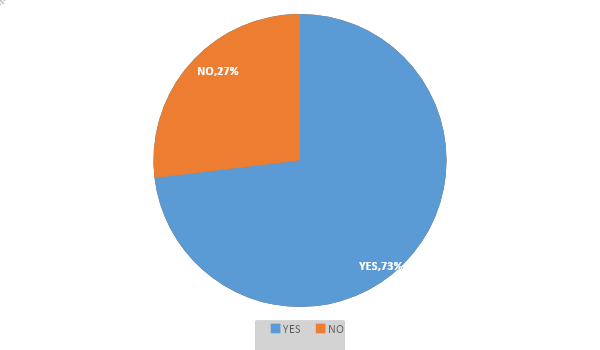
Figure 07: Respondents who have witnessed road traffic crashes before
Table 08: Degree of Crashes witnessed and Experienced by Respondents.
| Degree of Crashes | Frequency | Percent |
| Fatal | 14 | 17.9 |
| Serious | 24 | 30.8 |
| Minor | 19 | 24.4 |
| Not Specified | 21 | 26.9 |
| Total | 78 | 100 |
From the above table, 14 of the respondents thus 17.9 percent indicated that, the crashes they have had or witnessed were fatal accidents, 24 of the respondents thus 30.8 percent indicates the crashes they have had or witnessed were serious accidents, 19 of the respondents thus 24.4 percent indicated the crashes they have had or witnessed were minor accidents and 21 out of the 78 respondents did not indicate as to whether the crashes they have had were fatal, serious or minor crashes.
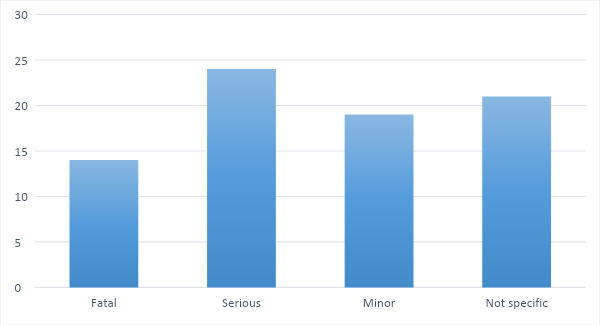
Figure 08: Degree of Crashes Witnessed and Experienced
The findings support the assertion of [16] that public awareness of road traffic crashes and their consequences is relatively high. However, greater emphasis is needed on comprehensive road safety programmes that promote behavioral change and compliance with traffic regulations. To investigate the factors contributing to road traffic crashes in the Tamale Metropolis, respondents shared their experiences through focus group discussions and key informant interviews. The findings revealed that unsafe driver behavior and poor road infrastructure are the primary causes of road traffic crashes. Drivers who participated in focus group discussions identified poor road conditions, inadequate road signage, potholes, and poorly marked curves as major risk factors. They also highlighted overspeeding, reckless overtaking, alcohol-impaired driving, overloading, distracted driving, poor vehicle maintenance, and non-compliance with traffic regulations as significant contributors to crashes. Similarly, the Northern Regional Director of the Road Safety Commission emphasized that most crashes stem from negative human attitudes, including speeding, mobile phone use while driving, alcohol consumption, driver fatigue, and disregard for traffic laws. According to the Director, the majority of road traffic crashes could be prevented through responsible road-user behavior and adherence to safety regulations. Market women and students who participated in the study shared similar views, identifying overspeeding, wrongful overtaking, distracted driving, and unsafe pedestrian behavior as common causes of crashes. Some respondents also reported personal experiences with crashes resulting from mobile phone use while driving or riding. Overall, the findings indicate that driver-related factors, particularly overspeeding, distracted driving, alcohol use, and failure to obey traffic regulations, remain the leading causes of road traffic crashes in the Tamale Metropolis. Poor road infrastructure and unsafe pedestrian behavior were also identified as important contributing factors. These results suggest that improving road-user behavior, strengthening enforcement of traffic regulations, and enhancing road infrastructure are critical to reducing road traffic crashes in the metropolis.
Table 09: Causes of Road Traffic Crashes Stated by Respondents.
| Causes of Road Traffic Crashes | Frequency | Percent |
| Negative Driving Attitude (over speeding, wrong overtaking, careless driving, disobeying traffic regulation, phone call | 51 | 65.4 |
| Bad Roads | 17 | 21.8 |
| Negative Pedestrians and Passengers attitude | 10 | 12.8 |
| Total | 78 | 100 |
From the table above, out of the 78 respondents 51 thus 65.4 percent stated negative driving attitude (over speeding, wrong overtaking, careless driving, disobeying traffic regulations and driving whilst on phone call), 17 of the respondents thus 21.8 percent stated bad roads as one of the major causes of road traffic crashes and 10 of the respondents thus 12.8 percent stated negative pedestrians and passengers’ attitude as one of the major causes of road traffic crashes.
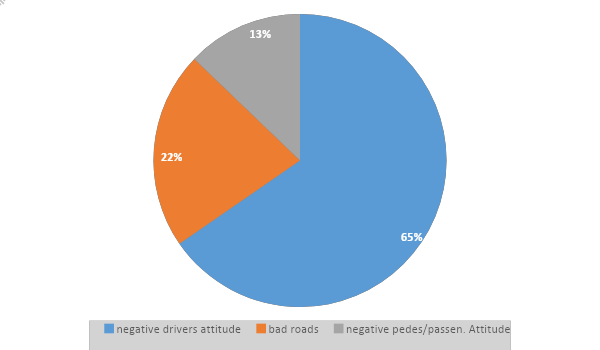
Figure 09: Respondents’ perception on the causes of road traffic crashes.
The outcome of the focus group discussions and key informant interview held with drivers, market women, some security personnel and some other people really proved that, indeed road traffic crashes are caused by drivers’ behavior as stated by [], mechanical failure as stated by (Awomeri et al 2010), bad roads, alcohol and drugs, the use of mobile phone, and age factor as indicated by other scholars in the literature review. To identify measures that can be put in place to reduce the incidences of road traffic crashes in the Tamale Metropolis of Northern Ghana. This question seeks to find out the various measures that can be put in place to reduce road traffic crashes drastically in Tamale Metropolis. In this regard 66 out of the 78 respondents administered the questionnaires indicated that road traffic crashes can be reduced drastically if certain measures are put in place. The responses from the respondents are categorized as represented in the table below;
Table 10: Perception of Respondents on the Control of Road Traffic Crashes
| Can road traffic crashes be reduced? | Frequency | Percent |
| Yes | 66 | 84.6 |
| No | 12 | 15.4 |
| Total | 78 | 100 |
From the table above, 66 thus 84.6 percent out of the 78 respondents who administered the questionnaires indicated that road traffic crashes can be reduced drastically, if traffic regulations are enforced, good roads are constructed and drivers and pedestrians are well educated on the proper use of the roads and 12 of them stated that, they think road traffic crashes cannot be reduced.
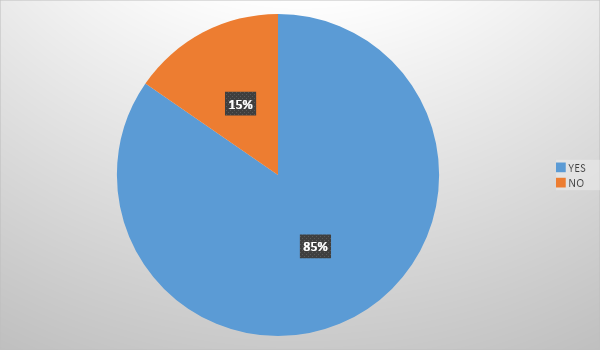
Figure 10: Respondents perception on measures to control road traffic crashes.
The 66 respondents who stated that, road traffic crashes can be reduced drastically indicated some of the measures that can be put in place to control the situation. Some of the measures that were stated by the respondents includes the following; construction of good roads, driver-pedestrian education, enforcing traffic regulations and avoiding negative driving attitude such as wrong overtaking, over speeding, careless driving and driving whilst on phone call.
Table 11: Measures to Control Road Traffic Crashes Stated by Respondents.
| Measures to control road traffic crashes | Frequency | Percent |
| Construction of good roads | 15 | 22.7 |
| Driver pedestrian education | 18 | 27.3 |
| Enforcing traffic regulations | 12 | 18.2 |
| Avoid negative driving attitude | 21 | 31.8 |
| Total | 66 | 100 |
From the table above, 15 of the respondents thus 22.7 percent stated that, construction of good roads is one of the ways to reduce road traffic crashes in Tamale Metropolis, 18 of the respondents thus 27.3 percent stated that, driver-pedestrian education can be used to reduce road traffic crashes, 12 of them that is 18.2 percent also stated that, enforcing traffic regulation is one of the ways to control road traffic crashes and 21 of them thus 31.8 percent of the respondents also indicated that, avoiding negative driving attitude will help reduce road traffic crashes drastically within the Metropolis.
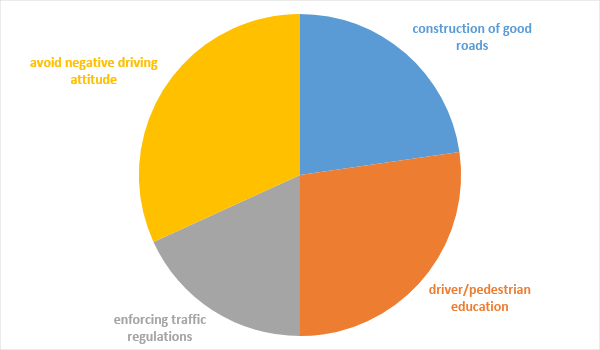
Figure 11: Measures to control road traffic crashes stated by respondents
Focus group discussions and key informant interviews revealed that road traffic crashes in the Tamale Metropolis are largely driven by unsafe road-user behaviors and are, therefore, preventable. Drivers at the Tamale Main Station identified impatience, disregard for traffic regulations, overspeeding, and wrongful overtaking as major causes of crashes. Participants emphasized that improving compliance with traffic laws and promoting responsible driving practices could significantly reduce crash rates. Discussions with students from the Northern School of Business Senior High School highlighted several pedestrian and motorcycle safety measures. Participants stressed the importance of using designated crossing points, observing traffic before crossing roads, wearing helmets, avoiding excessive speed, limiting passenger numbers on motorcycles, and refraining from using mobile phones while riding. These practices were considered essential for reducing injuries and fatalities among vulnerable road users. A separate focus group discussion with staff at a drinking establishment revealed that alcohol-impaired driving remains a significant risk factor for road traffic crashes. Participants agreed that responsible alcohol service practices, including refusing service to intoxicated individuals and arranging alternative transportation for impaired customers, could help reduce alcohol-related crashes. The findings from the discussions support previous studies suggesting that road traffic crashes can be substantially reduced through road safety education, the use of safety equipment, strict enforcement of traffic regulations, and enhanced monitoring of alcohol- and drug-impaired driving. The results indicate that public awareness of road traffic crashes is relatively high; however, greater emphasis is needed on translating knowledge into safe road-use behaviors. The survey findings showed that 73.1% of respondents had witnessed a road traffic crash, while 33.3% had personally experienced one. In terms of causative factors, 65.4% identified driver behavior, including overspeeding, wrongful overtaking, mobile phone use, and non-compliance with traffic regulations, as the leading cause of crashes. Additionally, 21.8% attributed crashes to poor road conditions, while 12.8% identified unsafe pedestrian behavior and mobile phone use as contributing factors. The study further found that 85.9% of respondents believed that road traffic crashes negatively affect human development. Among them, 44.8% identified loss of life as the most severe consequence, while 10.4% highlighted disabilities and long-term health complications. Psychological trauma was identified by 15.0% of respondents, whereas 30.8% reported economic hardship resulting from medical expenses, property damage, rehabilitation costs, and loss of productivity. Regarding prevention strategies, 84.6% of respondents believed that road traffic crashes could be significantly reduced. Of these, 27.3% emphasized driver and pedestrian education, 22.7% supported improvements in road infrastructure, and 18.2% highlighted stricter enforcement of traffic regulations. These findings suggest that a combination of road-user education, infrastructure development, and effective law enforcement remains central to reducing road traffic crashes in the Tamale Metropolis.
4. CONCLUSION
The findings of this study revealed that driver-related factors were the predominant causes of road traffic crashes in the Tamale Metropolis. These factors included overspeeding, careless driving and riding, wrongful overtaking, vehicle overloading, poor vehicle maintenance, and mechanical failures. Other significant contributors were alcohol and drug use, public transport-related challenges, driver fatigue, the presence of stray animals on roads, poor road conditions, and unsafe road-user behavior. The study further established that motorcycles were the most frequently involved vehicles in road traffic crashes, followed by private and commercial cars. The results also indicated that the majority of road traffic crashes occurred during daytime hours when traffic volumes and road-user activities were highest. Respondents identified loss of life as the most severe consequence of road traffic crashes, followed by a range of health-related complications. These included permanent disabilities such as limb amputations, physical deformities, psychological trauma, and mental health disorders, all of which adversely affected the quality of life of victims. Beyond the health implications, road traffic crashes impose substantial economic and social burdens on affected individuals and households. Victims and their families often incur significant expenses related to medical treatment, rehabilitation, vehicle repairs, and replacement of damaged property. These financial costs, coupled with the emotional distress and reduced productivity associated with injuries and fatalities, underscore the profound impact of road traffic crashes on human development and socioeconomic well-being within the Tamale Metropolis.
- RECOMMENDATIONS
The findings of this study underscore the urgent need for integrated and sustainable interventions to reduce the incidence and severity of road traffic crashes (RTCs) in the Tamale Metropolis. To address the identified challenges, the Government of Ghana should strengthen the operational capacity of key road safety institutions, including the Motor Traffic and Transport Department (MTTD), the National Road Safety Authority (NRSA), the Driver and Vehicle Licensing Authority (DVLA), and the National Ambulance Service (NAS). This should involve increasing personnel, improving logistics, and enhancing emergency response systems to improve road safety management and crash response. Furthermore, road infrastructure should be improved through regular maintenance of road networks, installation of adequate road signs and traffic signals, implementation of traffic-calming measures, and rehabilitation of hazardous road sections. Particular attention should be given to accident-prone areas and the enforcement of vehicle weight regulations through the installation of weighbridges on major highways. The study also recommends intensified road safety education and public awareness campaigns aimed at promoting compliance with traffic regulations and fostering responsible road-user behavior. These initiatives should target high-risk groups, particularly commercial drivers, motorcyclists, pedestrians, and young road users, through sustained community outreach and mass media engagement. In addition, driver training and licensing systems should be strengthened through standardized training programmes, periodic refresher courses, and stricter licensing procedures. Improving driver competence and professionalism is essential for reducing reckless driving practices and preventing avoidable crashes. Effective enforcement of traffic laws remains critical. Adequate resources should be allocated to law enforcement agencies to facilitate regular staff training, deployment of modern traffic monitoring technologies, and consistent enforcement of existing road safety regulations. Strengthening compliance mechanisms will contribute significantly to improving road discipline and reducing traffic violations. Finally, enhanced collaboration among government institutions, law enforcement agencies, transport unions, civil society organizations, and private-sector stakeholders is necessary to ensure coordinated implementation of road safety policies and interventions. The National Road Safety Authority should be further empowered to lead, coordinate, monitor, and evaluate road safety initiatives at national, regional, and district levels. Such measures will strengthen Ghana’s road safety framework and contribute to reducing the human, social, and economic burden associated with road traffic crashes.
AUTHOR CONTRIBUTION STATEMENT
Ayaaba Ibrahim Bawumia: Substantial contributions to the conception or design of the work; or the acquisition, analysis, or interpretation of data for the work, Drafting the work or reviewing it critically for important intellectual content; AND Final approval of the version to be published, and Agreement to be accountable for all aspects of the work in ensuring that questions related to the accuracy or integrity of any part of the work are appropriately investigated and resolved.
ACKNOWLEDGEMENTS: No specific individuals, institutions, or organizations contributed additional support or assistance requiring formal acknowledgement for this study.
DECLARATIONS:
Funding: This research received no specific grant, financial support, or funding from any public, commercial, or non-profit organization.
Conflicts Of Interest: The authors declare that there are no conflicts of interest, financial or otherwise, that could have influenced the research, analysis, or interpretation of the findings presented in this article.
Data Availability: The datasets and information used in this study are publicly available from the sources cited within the article. No proprietary or restricted data were used.
Generative AI Disclosure: Generative artificial intelligence tools were not used for generating research data, conducting analyses, or producing scientific conclusions in this study. The authors take full responsibility for the content and accuracy of the manuscript.
REFERENCES
- Vecino-Ortiz, A. I., Bishai, D., Bachani, A. M., Nsubuga, J. B., & Hyder, A. A. (2022). Cost-effectiveness of interventions to reduce road traffic injuries in low- and middle-income countries: A systematic review. Traffic Injury Prevention, 23(Suppl. 1), S38-S45. https://doi.org/10.1080/15389588.2022.2036602
- Ali, M., Shah, S. A. A., & Ahmed, M. (2022). Road traffic injuries and economic burden: Evidence from developing countries. International Journal of Environmental Research and Public Health, 19(14), 8765. https://doi.org/10.3390/ijerph19148765
- Moe, C., Htet, K. K., & Oo, W. (2023). Determinants of road traffic injuries among urban road users in low-income settings. BMC Public Health, 23, 1124. https://doi.org/10.1186/s12889-023-16011-4
- le, J., Jakobsson, M., & Adanu, R. (2023). Road traffic injuries as a public health challenge in Sub-Saharan Africa: A systematic review. Injury Prevention, 29(4), 336-343. https://doi.org/10.1136/ip-2022-044858
- Bhalla, K., Shotten, M., & Loop, M. S. (2021). Mobility, transportation systems, and road traffic mortality in low-income countries. Transportation Research Interdisciplinary Perspectives, 12, 100499. https://doi.org/10.1016/j.trip.2021.100499
- Abegaz, T., Gebremedhin, S., & Berhane, Y. (2021). Road traffic accidents and associated factors among drivers in developing countries: A review. BMC Emergency Medicine, 21(1), 56. https://doi.org/10.1186/s12873-021-00448-1
- Yaya, S., Benedict, O., & Bishwajit, G. (2022). Road traffic accidents and inequalities in Africa. BMJ Open, 12(8), e058655. https://doi.org/10.1136/bmjopen-2021-058655
- Ackaah, W., & Salifu, M. (2021). Road safety challenges in Ghana: Trends and policy implications. Case Studies on Transport Policy, 9(4), 1747-1755. https://doi.org/10.1016/j.cstp.2021.09.012
- Kharrazi, M., Trottenberg, P., & Rosen, E. (2023). Safe systems approach for reducing road traffic mortality and injuries. Journal of Safety Research, 84, 177-185. https://doi.org/10.1016/j.jsr.2022.11.002
- Haque, M. M., Chin, H. C., & Huang, H. (2022). Road crash severity and socio-economic impacts in urban environments. Accident Analysis & Prevention, 168, 106596. https://doi.org/10.1016/j.aap.2022.106596
- Adjei, E., Afukaar, F., & Ackaah, W. (2022). Road traffic crash characteristics and injury outcomes in Ghana. Traffic Injury Prevention, 23(5), 287-293. https://doi.org/10.1080/15389588.2022.2056895
- World Health Organization. (2023). Global status report on road safety 2023. Geneva, Switzerland: WHO. https://doi.org/10.4060/cc4897en
- Peden, M., & Kobusingye, O. (2021). Road traffic injuries in Africa: Current burden and future directions. The Lancet Global Health, 9(11), e1472-e1473. https://doi.org/10.1016/S2214-109X(21)00415-2
- Staton, C. A., Vissoci, J. R. N., & Toomey, N. (2021). The burden of road traffic injuries in low-income countries. The American Journal of Tropical Medicine and Hygiene, 105(6), 1444-1450. https://doi.org/10.4269/ajtmh.21-0218
- Monteiro, A., Teixeira, J., & Santos, S. (2025). Transportation development and regional economic growth: Implications of road safety outcomes. Transport Policy, 162, 34-45. https://doi.org/10.1016/j.tranpol.2024.11.009
- Agyemang, W., Afukaar, F., & Antwi, P. (2023). Road traffic crashes and socio-economic development in Ghanaian cities. Sustainability, 15(18), 13654. https://doi.org/10.3390/su151813654
- Nantulya, V. M., & Reich, M. R. (2021). The neglected epidemic: Road traffic injuries in developing countries revisited. Health Policy and Planning, 36(7), 1123-1130. https://doi.org/10.1093/heapol/czab067
- Hyder, A. A., Paichadze, N., & Toroyan, T. (2022). Road safety and sustainable development goals. Journal of Transport & Health, 24, 101342. https://doi.org/10.1016/j.jth.2022.101342
- Elvik, R. (2021). The economic consequences of road traffic accidents: Updated evidence and policy implications. Accident Analysis & Prevention, 159, 106281. https://doi.org/10.1016/j.aap.2021.106281
- Odero, W., Khayesi, M., & Heda, P. (2022). Road traffic injuries in Africa: Magnitude, causes and policy responses. African Safety Promotion Journal, 20(1), 45-61. https://doi.org/10.4314/asp.v20i1.4
- Tay, R., Rifaat, S., & Chin, H. C. (2023). Urbanization, transportation growth and road crash risks in developing economies. Transportation Research Part A: Policy and Practice, 169, 103581. https://doi.org/10.1016/j.tra.2023.103581
- Kumar, A., Singh, D., & Sharma, P. (2024). Socio-economic burden of road traffic accidents and implications for urban development. Sustainability, 16(4), 1782. https://doi.org/10.3390/su16041782
Supplemental Material
No supplementary files, datasets, figures, or additional materials are associated with this study. Any information necessary to understand and evaluate the work is included in the main article.
Citation
Ayaaba Ibrahim Bawumia (2026). Examining The Impact of Road Traffic Accidents on The Development of Tamale Metropolis of Northern Ghana. Dinkum Journal of Social Innovations, 5(01): 50-63. https://doi.org/10.71017/djsi.5.01.d-0577
DOI
https://doi.org/10.71017/djsi.5.01.d-0577
Identification
D-0577
Publication History
Submitted: 20-12-2025
Accepted: 28-01-2026
Published: 31-01-2026
Copyright
© The Author(s) 2026
Publishing License

 This is an Open Access article distributed under the terms of the Creative Commons Attribution (CC BY 4.0) License .