
Vol. 5 No.02 (2026) | Page: 200-211 |Case Study 
Finding the Silent Killer Before It Strikes: A Community Medicine Case Study of Hypertension Screening and Primary-Care Linkage
Peter Ebeling 1*
-
- Department of Medicine, Monash University, Melbourne, Australia.
 peter.ebeling@monash.edu




ABSTRACT
Background: Hypertension is a major preventable risk factor for cardiovascular, cerebrovascular, and renal disease and often remains asymptomatic for years.
Objective: To illustrate the role of community-based screening in identifying undiagnosed hypertension and facilitating effective risk reduction and long-term management.
Methods: A 52-year-old asymptomatic man with no history of hypertension was identified during community blood-pressure screening. Elevated readings were confirmed through repeated standardized measurements, primary-care assessment, and home blood-pressure monitoring.
Results: Sustained hypertension was confirmed alongside obesity, dyslipidaemia, prediabetes, physical inactivity, and high dietary salt intake. Treatment included antihypertensive medication, lifestyle counselling, family engagement, home monitoring, and scheduled follow-up.
Conclusion: This case demonstrates how early detection and comprehensive risk-factor management can prevent future complications such as stroke, myocardial infarction, and kidney disease.
Keywords: hypertension, community screening, primary health care, linkage to care, cardiovascular prevention
Key points:
- Can community-based blood pressure screening identify undiagnosed hypertension and facilitate early cardiovascular risk reduction?
- Community screening detects previously unrecognized sustained hypertension alongside multiple modifiable cardiovascular risk factors.
- Early detection, lifestyle modification, antihypertensive treatment, and regular monitoring support prevention of cardiovascular and renal complications.
- INTRODUCTION
Hypertension remains one of the most important preventable causes of cardiovascular disease, disability, and premature mortality worldwide. The World Health Organization estimated that approximately 1.4 billion adults aged 30–79 years were living with hypertension in 2024, representing approximately one-third of adults in this age group. Of particular concern, around 44% were unaware of their condition, while only approximately 23% had their blood pressure controlled [1,2]. These figures demonstrate that the central challenge in hypertension is not the absence of effective treatments but failure across the continuum of detection, diagnosis, treatment, adherence, and long-term control. Hypertension has historically been described as a “silent killer” because most affected individuals have no specific symptoms before cardiovascular or renal complications develop. Consequently, waiting for symptoms is an ineffective detection strategy. Regular blood pressure measurement therefore represents a simple but potentially life-saving form of secondary prevention. Population-level analyses have shown that the absolute number of adults with hypertension has increased substantially during recent decades, while major inequalities remain in awareness, treatment, and control, particularly in low- and middle-income settings [3]. Screening alone, however, is insufficient. A single elevated reading may be influenced by measurement technique, recent physical activity, emotional stress, caffeine, smoking, pain, cuff size, or the clinical environment. The US Preventive Services Task Force recommends hypertension screening in adults and advises confirmation using blood-pressure measurements outside the clinical setting before treatment is initiated when clinically appropriate [4]. Accurate measurement requires appropriate patient positioning, a validated device and suitable cuff, a period of quiet rest, and repeated measurements rather than reliance on an isolated value. Major contemporary guidelines similarly emphasize that blood pressure exists on a cardiovascular-risk continuum. The 2024 European Society of Cardiology guideline retains an office blood-pressure threshold of ≥140/90 mmHg for hypertension, while recognizing elevated blood pressure below this threshold as relevant to cardiovascular risk [5]. The guideline also emphasizes cardiovascular-risk assessment and, among treated adults in whom therapy is tolerated, generally supports a systolic blood-pressure target of approximately 120–129 mmHg, while allowing individualized targets for frailty, advanced age, orthostatic symptoms, and other clinical circumstances. From the perspective of community medicine, the major challenge is therefore not merely to “find hypertension” but to create a functional pathway from screening → confirmation → risk assessment → treatment → follow-up → control. WHO’s HEARTS framework places standardized treatment protocols, healthy-lifestyle counselling, reliable access to medicines and validated blood-pressure technology, team-based care, cardiovascular-risk management, and monitoring systems at the centre of hypertension management within primary health care [6,7]. Implementation of HEARTS-type programmes across low- and middle-income countries demonstrates that organized primary-care systems can treat hypertension at substantial scale, although gaps in coverage and control remain [8]. This case study therefore examines hypertension as both an individual clinical problem and a community-health systems problem. It illustrates how opportunistic community screening can identify an asymptomatic high-risk adult and how structured primary-care linkage can convert detection into sustained prevention. The objectives of this case study are to demonstrate standardized detection of previously undiagnosed hypertension in a community setting, to illustrate the distinction between an abnormal screening reading and a confirmed diagnosis, to show appropriate triage for markedly elevated blood pressure in an asymptomatic patient, to demonstrate effective linkage between community screening and primary health care, to integrate pharmacological treatment with lifestyle and behavioural risk-factor modification, to examine barriers to continuity of hypertension care from a community-medicine perspective, and to demonstrate the importance of follow-up and documented blood-pressure control as the final outcome of screening.
- CASE PRESENTATION
2.1 Community Setting
A weekend noncommunicable-disease screening activity was conducted in a densely populated urban community served by a nearby primary healthcare centre. Screening was offered to all adults aged ≥18 years, irrespective of symptoms or previous diagnosis. The screening station collected basic demographic information and medical history, including previous diagnoses of hypertension, diabetes, and cardiovascular disease, as well as current medication use. Tobacco exposure and lifestyle-related risk factors were also assessed. Anthropometric measurements included weight, height, and waist circumference, while blood pressure was measured using a standardized procedure. Random capillary blood-glucose testing was performed when clinically indicated. Participants received brief lifestyle counselling, and those with abnormal findings were directly referred to the associated primary-care facility for further assessment and management. A referral register was maintained to facilitate continuity of care and ensure that participants with markedly elevated measurements were not limited to receiving verbal advice alone.
2.2 Patient Profile
A 52-year-old male shopkeeper presented voluntarily at the screening station while accompanying his wife. He reported feeling completely well and had not initially intended to participate in the screening activity. He had no previous diagnosis of hypertension and was not taking any regular prescribed medications. His medical history was negative for stroke, myocardial infarction, heart failure, and chronic kidney disease. He denied chest pain, dyspnoea, visual disturbances, severe headache, confusion, focal weakness, or difficulty speaking. His occupation involved predominantly sedentary work, with minimal structured physical activity. Dietary history revealed frequent consumption of salty restaurant foods, pickles, and packaged snacks, together with approximately two to three cups of sweetened tea daily. He did not currently smoke cigarettes but reported occasional social exposure to tobacco smoke. His father had experienced a stroke in his early sixties. The patient had not undergone a routine medical examination during the preceding three years.
2.3 Anthropometric Findings
The patient measured 170 cm in height and weighed 87 kg, corresponding to a body mass index of 30.1 kg/m². His waist circumference was 104 cm, indicating central adiposity. His pulse rate was 82 beats/minute and regular. The combination of elevated body mass index and increased waist circumference prompted further assessment of his overall cardiometabolic risk during subsequent primary-care evaluation.
2.4 Community Blood-Pressure Screening
The patient appeared surprised when his initial automated blood-pressure measurement was 176/108 mmHg. Because a single community screening measurement should not be used in isolation to characterize an individual’s blood-pressure status, the screening team reassessed the measurement conditions and repeated the assessment using a standardized technique. Although the patient had walked for approximately 10 minutes before arriving at the venue, he had remained seated for more than five minutes before the repeat measurement. Appropriate cuff size was confirmed, and his back was supported with both feet flat on the floor and legs uncrossed. His arm was supported at approximately heart level, and he was instructed to remain silent during measurement. Following an additional period of quiet rest, two further readings were obtained: 172/104 mmHg and 168/102 mmHg. The average of the final two measurements was approximately 170/103 mmHg. Measurement in the opposite arm yielded 168/102 mmHg, with no clinically important inter-arm difference.
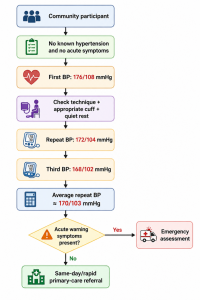
Figure 01: Blood-Pressure Assessment During Community Screening
2.5 Immediate Clinical Assessment and Triage
A physician associated with the screening programme conducted an immediate clinical assessment. The patient remained asymptomatic, with a normal level of consciousness and no focal neurological deficits. His pulse was regular, and there was no clinically evident pulmonary congestion or acute chest discomfort. He denied severe visual symptoms, and examination revealed no features suggestive of hypertensive encephalopathy or another acute target-organ complication. The patient was informed that his persistently elevated blood-pressure readings were clinically significant despite the absence of symptoms. He was counselled that being asymptomatic does not imply the absence of cardiovascular risk, as hypertension may remain clinically silent for prolonged periods and consequently remain undiagnosed. Given the absence of features suggesting an acute hypertensive emergency in the screening setting, but in view of the persistently elevated readings, a same-day appointment was arranged at the linked primary-care clinic. The community health worker documented the patient’s telephone number and referral identification code and confirmed that he understood the location, timing, and importance of attending the scheduled assessment.
2.6 Primary-Care Assessment
The patient attended the linked primary-care clinic later the same day, where standardized repeat blood-pressure measurements remained markedly elevated at 166/100 mmHg and 164/98 mmHg. Cardiovascular, respiratory, neurological, and peripheral vascular examinations revealed no clinical evidence of an acute target-organ complication. Because the diagnosis of sustained hypertension should, where clinically appropriate, be confirmed beyond an isolated screening encounter, the patient was provided with a validated upper-arm home blood-pressure monitor through the community programme and received instruction regarding appropriate measurement technique. He was advised to measure his blood pressure twice each morning and twice each evening for seven consecutive days following an adequate period of rest. His mean home blood pressure, after excluding measurements obtained on the first day, was 158/96 mmHg. The persistence of elevated blood-pressure values across community screening, clinic assessment, and home monitoring supported the diagnosis of sustained hypertension rather than an isolated abnormal screening measurement.
2.7 Baseline Investigation
The primary-care assessment was subsequently expanded to characterize the patient’s overall cardiovascular risk, identify potentially modifiable risk factors, and evaluate for evidence of hypertension-related target-organ involvement. Baseline investigations were therefore undertaken as part of a structured initial hypertension assessment. The assessment did not identify established renal impairment or another immediately apparent major target-organ complication. However, obesity, dyslipidemia, prediabetes, physical inactivity, dietary salt exposure, and a positive family history substantially increased the importance of comprehensive cardiovascular prevention. The clinically meaningful outcome of the programme was not the original screening value but the transition from undiagnosed hypertension to sustained blood-pressure control through continuity of care (Figure 2).
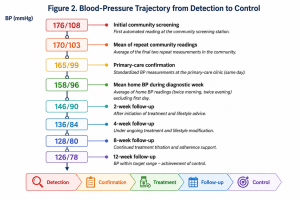
Figure 02: Blood-Pressure Trajectory from Detection to Control
2.8 Community-Medicine Problem List
The case was synthesized into an integrated clinical and public-health problem list to capture both the patient’s immediate health needs and the broader determinants of cardiovascular risk. The principal problem was previously undiagnosed sustained hypertension, characterized by persistently elevated blood-pressure measurements despite the absence of symptoms. Additional cardiometabolic risk factors included obesity with central adiposity, a prediabetic glycaemic profile, and elevated low-density lipoprotein cholesterol. His predominantly sedentary lifestyle, frequent consumption of high-salt and processed foods, and family history of premature cerebrovascular disease further increased his long-term cardiovascular risk. From a community-medicine perspective, infrequent engagement with preventive primary healthcare represented an important contributor to delayed detection. The case also highlighted the risk of loss to follow-up after community-based screening, emphasizing the need for an organized referral and continuity-of-care pathway. Long-term management would require sustained adherence to prescribed antihypertensive therapy, regular self-monitoring of blood pressure, and appropriate follow-up. Finally, successful lifestyle modification would require support from both the patient’s family and his broader social and environmental setting, particularly to facilitate healthier dietary choices, increased physical activity, and sustained engagement with primary healthcare.
- CLINICAL AND PUBLIC-HEALTH ASSESMENT
3.1 Assessment of Acute Cardiovascular Risk
The initial clinical priority was to determine whether the markedly elevated blood pressure represented a hypertensive emergency requiring immediate intervention. The patient denied neurological, cardiac, visual, and respiratory symptoms, and clinical examination revealed no evidence of acute target-organ injury or an emergency syndrome. Therefore, immediate rapid blood-pressure reduction was not indicated in the community setting. Instead, the patient was considered suitable for structured outpatient management with timely clinical reassessment and monitoring.
3.2 Confirmation of Sustained Hypertension
The second assessment focused on determining whether the elevated blood-pressure measurements represented sustained hypertension rather than an isolated or situational elevation. Elevated readings were documented repeatedly during community screening, subsequent clinical assessment, and home monitoring. The consistency of these measurements supported a diagnosis of persistent hypertension and provided a basis for initiating long-term cardiovascular risk management.
3.3 Global Cardiovascular Risk Assessment
The patient’s cardiovascular risk was assessed within a broader metabolic and behavioural context. Hypertension occurred alongside obesity, central adiposity, dyslipidaemia, impaired glucose regulation, physical inactivity, high dietary salt exposure, and a family history of premature cerebrovascular disease. This clustering of modifiable and non-modifiable risk factors demonstrated that management should extend beyond blood-pressure reduction alone. From a public-health perspective, the case illustrates the need for community hypertension programmes to progress from isolated “blood-pressure camps” toward integrated cardiovascular-risk assessment and prevention.
- INTERVENTION
4.1 Pharmacological Management
Following confirmation of sustained hypertension and clinical assessment, antihypertensive therapy was initiated in accordance with the locally adapted primary-care protocol. Because the patient’s blood pressure remained substantially above the desired range, a two-drug first-line regimen using complementary pharmacological classes was selected, comprising an angiotensin-receptor blocker and a long-acting calcium-channel blocker. Combination therapy is consistent with contemporary hypertension-management approaches and can facilitate more rapid and reliable achievement of blood-pressure control when clinically appropriate [9]. The patient was counselled that antihypertensive medication was intended primarily to reduce long-term cardiovascular and cerebrovascular risk rather than to relieve symptoms. This distinction was particularly important because he had initially questioned whether treatment could be discontinued once he “felt better,” despite having experienced no symptoms before diagnosis.
4.2 Dietary Intervention
Dietary counselling focused on practical and sustainable modifications rather than general nutritional advice. The patient agreed to stop adding salt at the table and to reduce his consumption of pickles, salty sauces, chips, packaged snacks, restaurant meals, and fast food. He was encouraged to increase home-prepared meals and consume greater quantities of vegetables, fruits, pulses, and minimally processed foods. Water was recommended more frequently in place of sugar-sweetened beverages, while added sugar in tea was to be reduced gradually. These measures addressed several interacting cardiovascular risk factors, particularly excessive sodium intake, poor dietary quality, excess caloric intake, and impaired glycaemic regulation.
4.3 Physical Activity Intervention
The patient initially reported that structured exercise was “impossible” because he worked approximately ten hours per day at his shop. Rather than recommending an unrealistic gym-based programme, the clinician and community health worker developed a flexible activity plan integrated into his daily routine. This included a 10-minute brisk walk before opening the shop, a further 10-minute walk after lunch, and a 10–15-minute evening walk. He was also encouraged to use stairs where feasible and to incorporate brief standing and movement breaks during prolonged periods of sedentary work. This approach transformed physical activity from a separate task into a series of achievable activities embedded within his occupational routine.
4.4 Weight Management
Weight management was incorporated into the overall cardiovascular-risk reduction strategy. The initial objective was gradual and sustainable weight reduction rather than an aggressive short-term target. Body weight was recorded at each follow-up visit and reviewed alongside blood-pressure trends to reinforce the relationship between lifestyle behaviour and cardiovascular health. By 12 weeks, the patient’s weight had decreased from 87 kg to 83.4 kg, representing a reduction of approximately 3.6 kg from baseline. The patient reported that observing the parallel improvement in weight and blood pressure helped him recognize the practical benefits of sustained lifestyle modification.
4.5 Family Engagement
With the patient’s consent, his wife participated in the counselling sessions because she was responsible for much of the household food preparation. This allowed the dietary intervention to move from an exclusively individual recommendation—such as instructing the patient to “eat less salt”—toward a household-level strategy in which the family gradually adopted lower-salt cooking practices. Family engagement was particularly relevant because food availability, preparation practices, and household dietary norms may exert a stronger and more sustained influence on behaviour than individual knowledge alone.
4.6 Home Blood-Pressure Monitoring
The patient received practical instruction on standardized home blood-pressure measurement. He was advised to avoid exercise, smoking, and caffeine immediately before measurement and to empty his bladder when necessary. Before taking a reading, he was instructed to sit quietly for approximately five minutes with his back supported and feet flat on the floor. The arm being measured was to remain supported at heart level, with the cuff applied directly to bare skin. He was also advised not to talk during measurement and to record readings consistently. These measures were intended to improve the reliability of home monitoring and facilitate meaningful assessment of treatment response.
4.7 Linkage-to-Care Intervention
A key component of the intervention was the establishment of a closed-loop linkage-to-care system. Rather than simply providing a referral slip and leaving the patient responsible for arranging follow-up, the community programme identified a specific primary-care clinic and appointment date, documented the screening result, and recorded relevant contact information. Community-health-worker follow-up was used to confirm attendance, assess medication access, and reinforce adherence. Subsequent reassessment dates and blood-pressure control status were documented. This approach converted community screening from a one-time detection activity into an active pathway connecting case identification with diagnosis, treatment, monitoring, and continuity of care.
- FOLLOW-UP AND OUTCOMES
5.1 Two-Week Follow-Up
At two weeks, the patient’s blood pressure had decreased to 146/90 mmHg. He reported regular medication use, with only one missed dose, and had already reduced table-salt consumption and begun walking for approximately 20–25 minutes per day. No significant adverse effects were reported. Given the early improvement and satisfactory tolerability, the consultation focused primarily on reinforcing medication adherence and lifestyle changes rather than prematurely intensifying treatment.
5.2 Four-Week Follow-Up
At four weeks, clinic blood pressure had improved further to 136/84 mmHg, with home measurements demonstrating a similar downward trend. His weight had decreased to 85.2 kg. The patient reported that his wife had reduced the amount of salt used during cooking and that the family had begun walking together after dinner approximately four evenings per week. These findings suggested that both individual and household-level interventions were becoming incorporated into routine behaviour.
5.3 Eight-Week Follow-Up
At eight weeks, the patient’s blood pressure had reached 128/80 mmHg, while his weight had decreased to 84.2 kg. Medication adherence remained satisfactory, and he reported no symptomatic hypotension or orthostatic complaints. The continued improvement without clinically significant adverse effects supported the effectiveness and tolerability of the established treatment and lifestyle programme.
5.4 Twelve-Week Follow-Up and Outcome
At the 12-week assessment, clinic blood pressure was 126/78 mmHg, while the patient’s recent average home readings were approximately 124–128/76–80 mmHg. His weight had decreased to 83.4 kg, representing a total reduction of approximately 3.6 kg from baseline. He also reported substantially reduced consumption of salty processed foods and continued adherence to the prescribed medication and physical-activity plan. The achieved systolic blood-pressure level was compatible with the intensive treatment range emphasized for many treated adults in contemporary ESC guidance when tolerated, although the appropriate target should always be individualized according to patient characteristics, comorbidities, tolerability, and clinical context. The patient’s experience illustrates the value of opportunistic community screening in identifying clinically important but previously unrecognized hypertension. His final reflection—“I came because my wife wanted her sugar checked. I would never have gone to a doctor for blood pressure because I did not feel sick”—highlights a central public-health challenge: hypertension may remain undetected for prolonged periods because individuals often do not seek care in the absence of symptoms. The case therefore demonstrates how community-based detection, risk assessment, accessible treatment, family engagement, home monitoring, and closed-loop follow-up can collectively transform an incidental screening encounter into sustained cardiovascular-risk reduction.
- DISCUSSION
The defining feature of this case is the discrepancy between subjective wellness and objective cardiovascular risk. The patient did not seek care because he had no symptoms. Yet repeated systolic measurements around 170 mmHg revealed a clinically important abnormality. This reflects a central epidemiological difficulty in hypertension control: symptom-based health-seeking behaviour cannot reliably identify affected individuals. WHO estimates that hundreds of millions of adults with hypertension remain unaware of their condition, reinforcing the importance of accessible blood-pressure measurement in community and primary-care environments. Community screening can create harm when inaccurate measurements generate unnecessary alarm or when falsely reassuring measurements miss genuine hypertension. Standardization therefore matters. Measurement should use an appropriate cuff and validated device, correct patient positioning, quiet rest, and repeated readings. Home or ambulatory monitoring can add valuable diagnostic confirmation when circumstances permit. The screening team’s decision to repeat the measurement rather than immediately announcing a diagnosis was therefore an important quality-of-care step. One of the most important lessons from this case is that the success indicator for screening should not be:
“Number of people with high blood pressure detected.”
A more meaningful cascade is:
Screened → elevated BP identified → confirmed → linked to care → treatment initiated → retained in care → BP controlled.
The 2025 WHO hypertension report emphasizes precisely this need to scale up detection, treatment and control through primary health care. A programme that screens 10,000 people but loses most newly identified patients before treatment may generate impressive activity statistics without achieving equivalent population-health benefit. Hypertension requires repeated contact over years rather than a single specialist consultation. This makes primary health care the natural platform for population-scale control. WHO HEARTS promotes standardized protocols, team-based care, essential medicines and technology, cardiovascular-risk assessment, lifestyle counselling, and monitoring systems within primary health care. International HEARTS implementation has demonstrated the feasibility of managing millions of patients through large primary-care networks, although control gaps remain and programme performance varies.
- SOCIAL AND BEHAVIOURAL DETERMINANTS
The case demonstrates that hypertension cannot be understood purely through biological measurements. The patient had limited preventive healthcare contact; long sedentary working hours; environmental access to high-salt processed foods; household dietary habits; limited time for structured exercise; and no perception of illness because of absent symptoms. These factors shaped his risk as strongly as knowledge of hypertension itself. The solution therefore required adaptation to his everyday life rather than simply telling him to “eat healthy and exercise.”
- BARRIERS TO SUCCESSFUL HYPERTENSION LINKAGE
- Community hypertension programmes should anticipate several possible failure points:
- A patient may understand that the blood pressure is high but postpone visiting a clinic because no symptoms are present.
- Even diagnosed patients may discontinue therapy if medicines are unavailable or unaffordable.
- Patients may interpret normalization of blood pressure as proof that hypertension has disappeared.
- Recommending daily gym attendance to someone working long shifts may achieve little.
- Without a registry, individuals can disappear from care without the health service noticing.
- SUGGESTED PROGRAMME INDICATORS
A community hypertension programme could monitor the following indicators:
| Indicator | Purpose |
| Number of adults screened | Measures programme reach |
| Percentage with elevated screening BP | Identifies screening yield |
| Percentage receiving repeat measurement | Measures screening quality |
| Percentage referred | Measures referral activity |
| Percentage attending primary care | Measures linkage success |
| Percentage with confirmed hypertension | Measures diagnostic yield |
| Percentage starting treatment when indicated | Measures treatment initiation |
| Percentage retained at 3/6/12 months | Measures continuity |
| Percentage with controlled BP | Measures clinical effectiveness |
| Medication stock-out rate | Measures system reliability |
| Follow-up appointment completion | Measures care-cascade performance |
The most meaningful endpoint is therefore not the number of blood-pressure cuffs used but the proportion of affected individuals who ultimately achieve sustained control.
- STRENGTHS OF THE CASE APPROACH
This case demonstrates several important characteristics of effective community-based hypertension practice, including standardized and repeated blood-pressure measurements, avoidance of diagnosis based on a single reading, assessment for symptoms and signs of hypertensive emergencies, timely referral to primary care, out-of-office blood-pressure confirmation, comprehensive cardiovascular-risk assessment, protocol-based pharmacological management, individualized lifestyle intervention, family participation, home blood-pressure monitoring, scheduled follow-up, and objective documentation of treatment response and blood-pressure control. Importantly, the case integrates individual clinical management with broader health-system processes, particularly structured referral, continuity of care, community-health-worker involvement, and monitoring, thereby illustrating how community medicine can connect early detection with sustained cardiovascular-risk reduction.
- LIMITATIONS
As an illustrative case, this scenario cannot establish population-level effectiveness or causal relationships. The observed improvement in blood pressure over three months cannot be attributed independently to pharmacological treatment, lifestyle modification, improved measurement conditions, regression toward the mean, or increased adherence to care. Longer-term follow-up would also be necessary to determine whether blood-pressure control and lifestyle changes were sustained over several years and whether they translated into reductions in cardiovascular morbidity and mortality. In addition, the case assumes access to laboratory investigations, home blood-pressure monitoring, antihypertensive medication, primary-care services, and community-health-worker follow-up, which may not be consistently available across all primary-care settings. Nevertheless, the fundamental principles demonstrated—including accurate measurement, cardiovascular-risk assessment, closed-loop referral, treatment continuity, patient and family engagement, and ongoing monitoring—remain broadly applicable, although their implementation should be adapted to local healthcare infrastructure, resource availability, and population needs.
- CONCLUSION
This case demonstrates the central paradox of hypertension prevention: the person at risk may feel entirely healthy while clinically important vascular risk is accumulating silently. Community screening can expose that hidden risk, but detection by itself is not enough. The transformation in this case occurred because screening was connected to a functioning primary-care pathway. Blood pressure was measured correctly, repeated, clinically triaged, confirmed outside the initial screening encounter, assessed in the context of overall cardiovascular risk, treated using an evidence-based approach, and monitored until control was achieved. Lifestyle recommendations were adapted to the patient’s occupational and family environment, while scheduled follow-up reduced the likelihood of disappearance from care. For community medicine, therefore, hypertension screening should not be conceptualized as a one-day camp or an isolated numerical measurement. It should function as the first stage of a longitudinal detection-to-control cascade. Programmes should measure success not merely by the number of people screened but by the proportion of people with hypertension who know their condition, receive appropriate treatment, remain engaged with primary care, and achieve sustained blood-pressure control. Finding the “silent killer” before it strikes is possible. The greater challenge—and the greater public-health opportunity—is ensuring that once it is found, the health system does not lose the patient before prevention has been achieved.
AUTHOR CONTRIBUTION STATEMENT
Peter Ebeling: Substantial contributions to the conception or design of the work; or the acquisition, analysis, or interpretation of data for the work, Drafting the work or reviewing it critically for important intellectual content; AND Final approval of the version to be published, and Agreement to be accountable for all aspects of the work in ensuring that questions related to the accuracy or integrity of any part of the work are appropriately investigated and resolved.
ACKNOWLEDGEMENTS: No specific individuals, institutions, or organizations contributed additional support or assistance requiring formal acknowledgement for this study.
DECLARATIONS:
Funding: This research received no specific grant, financial support, or funding from any public, commercial, or non-profit organization.
Conflicts Of Interest: The authors declare that there are no conflicts of interest, financial or otherwise, that could have influenced the research, analysis, or interpretation of the findings presented in this article.
Data Availability: The datasets and information used in this study are publicly available from the sources cited within the article. No proprietary or restricted data were used.
Trial Registration: Trial registration is not applicable to this study, as it does not involve clinical trials, human participants, or experimental interventions.
Generative AI Disclosure: Generative artificial intelligence tools were not used for generating research data, conducting analyses, or producing scientific conclusions in this study. The authors take full responsibility for the content and accuracy of the manuscript.
REFERENCES
- World Health Organization. Hypertension: Fact Sheet. Geneva: WHO; updated 25 September 2025. WHO estimates that approximately 1.4 billion adults aged 30–79 years were living with hypertension in 2024 and highlights major global gaps in awareness and control.
- World Health Organization. Global Report on Hypertension 2025: High Stakes—Turning Evidence into Action. Geneva: WHO; 2025.
- NCD Risk Factor Collaboration (NCD-RisC). Worldwide trends in hypertension prevalence and progress in treatment and control from 1990 to 2019: a pooled analysis of 1201 population-representative studies with 104 million participants. Lancet. 2021;398(10304):957–980.
- Krist AH, Davidson KW, Mangione CM, et al. Screening for hypertension in adults: US Preventive Services Task Force recommendation statement. JAMA. 2021;325(16):1650–1656.
- McEvoy JW, McCarthy CP, Bruno RM, et al. 2024 ESC Guidelines for the management of elevated blood pressure and hypertension. European Heart Journal. 2024;45(38):3912–4018.
- World Health Organization. HEARTS: Technical Package for Cardiovascular Disease Management in Primary Health Care. Geneva: WHO. The package includes standardized treatment protocols, lifestyle counselling, access to medicines and technology, risk-based cardiovascular management, team-based care, and systems for monitoring.
- World Health Organization. Implementation of WHO HEARTS and PEN for Cardiovascular Risk Management in Primary Health Care. WHO.
- Moran AE, Gupta R; Global Hearts Initiative Collaborators. Implementation of Global Hearts hypertension control programs in 32 low- and middle-income countries: JACC International. Journal of the American College of Cardiology. 2023;82(19):1868–1884.
- World Health Organization. Guideline for the Pharmacological Treatment of Hypertension in Adults. Geneva: WHO; 2021
Supplemental Material
No supplementary files, datasets, figures, or additional materials are associated with this study. Any information necessary to understand and evaluate the work is included in the main article.
Citation
Peter Ebeling (2026). Finding the Silent Killer Before It Strikes: A Community Medicine Case Study of Hypertension Screening and Primary-Care Linkage. Dinkum Journal of Medical Innovations, 5(03):200-211. https://doi.org/10.71017/djmi.5.03.d-0590
DOI
https://doi.org/10.71017/djmi.5.03.d-0590
Identification
D-0590
Publication History
Submitted: 20-01-2026
Accepted: 23-03-2026
Published: 31-03-2026
Copyright
© The Author(s) 2026
Publishing License

 This is an Open Access article distributed under the terms of the Creative Commons Attribution (CC BY 4.0) License .