
Vol. 5 No.04 (2026) | Page: 327-339 |Research Article 
Long-Term Exposure to Ambient Air Pollution and Exacerbations of Asthma and COPD in Urban Populations: A Time-Series Analysis
Rabia Zulfiqar 1, Saima Bukhari 2*
-
- King Edward Medical University, Lahore Pakistan.
- Professor, Department of Pharmacology, Ayub Medical College, Abbottabad, Pakistan.





ABSTRACT
Background: Ambient air pollution is one of the most important environmental risk factors for respiratory morbidity and mortality, especially in rapidly urbanized areas. Asthmatics and chronic obstructive pulmonary disease (COPD) patients are vulnerable to environmental stressors.
Objective: The objective of this study was to explore the link between ambient air pollution exposure and exacerbation of asthma and COPD among urban populations using methods of time-series analysis, focusing on exposure-response relationships and delayed effects of air pollution.
Methods: This retrospective time-series study assessed associations between daily air pollutants (PM₂.₅, PM₁₀, NO₂, SO₂, CO, and O₃) and asthma/COPD exacerbations using GAMs and DLNMs while adjusting for temporal and meteorological factors.
Results: Air pollutants varied by time and season, with higher PM and gaseous pollutant levels associated with increased asthma/COPD visits and hospitalizations. PM₂.₅ showed a nonlinear positive association with respiratory exacerbations, with effects persisting after exposure.
Conclusion: Ambient air pollution, especially PM₂.₅, PM₁₀, and NO₂, increases asthma and COPD exacerbations, highlighting the need for improved air-quality control and monitoring.
Keywords: PM₂.₅; PM₁₀; respiratory exacerbation; time-series analysis; distributed lag nonlinear model
Key points:
- Does ambient air pollution exposure increase asthma and COPD exacerbations in urban populations?
- Higher PM₂.₅ levels show a nonlinear positive association with respiratory exacerbations and persistent delayed effects.
- Reducing exposure to PM₂.₅, PM₁₀, and NO₂ may help prevent exacerbations and reduce respiratory hospitalizations.
- INTRODUCTION
Ambient air pollution is known to be one of the most significant environmental risks to the health of the world’s population, and is a public health problem in fast-growing urban areas. This exposure to complex mixtures of particulate and gaseous pollutants has been ongoing due to the proliferation of industrial operations, the growing number of motor vehicles, fossil fuel burning, and the urban population. Of these pollutants, fine particulate matter (PM₂.₅), coarse particulate matter (PM₁₀), nitrogen dioxide (NO₂), sulfur dioxide (SO₂), carbon monoxide (CO) and ozone (O₃) have shown significant impacts on human health, especially the respiratory and cardiovascular systems. Ambient particulate pollution has consistently been identified as one of the most important environmental risk factors for the global burden of disease (GBD) and premature death [1]. Respiratory diseases are considered as one of the most sensitive outcomes related to exposure to air pollution. Asthma and chronic obstructive pulmonary disease (COPD) are two important chronic airway diseases, which are defined by chronic inflammation, airflow obstruction, and frequent worsening of symptoms. Acute exacerbations continue to be the main driver of emergency health care use as well as decrease in quality of life, faster decline in lung function, and higher mortality in people with asthma and COPD [2, 3]. Ambient air pollution has proven to be an important modifiable factor affecting the risk of exacerbation of respiratory disease. Fine particulate matter (PM₂.₅) is one of the most detrimental air pollutants in urban environments because can reach the alveolar regions, where they can be inhaled deep in the lower respiratory tract and remain for an extended period. Exposure to PM₂.₅ causes oxidative stress, mitochondrial dysfunction, epithelial injury and activation of inflammatory pathways leading to upregulation of interleukins, tumour necrosis factor-α, and other pro-inflammatory mediators. These biological processes can lead to airway hyperresponsiveness, decreased mucociliary clearance, and increased vulnerability to respiratory infections, which increase the likelihood of asthma attacks and exacerbations of COPD [4]. Currently, highly associated adverse respiratory outcomes exist with traffic-related pollutants, especially Nitrogen dioxide (NO₂). NO₂ exposure has been shown to lead to airway inflammation, allergic sensitization and may worsen asthma symptoms, especially in children and those with existing respiratory disease. Increased incidence of asthma, reduced lung function and COPD development have been shown in long-term cohort studies to be associated with the exposure to traffic-related air pollution [5]. In the past, much research has been conducted on the association between air pollution and worsening of respiratory disease; however, there are several important gaps in knowledge. In many existing studies, research has concentrated on the effects of short-term exposures, but the cumulative effects of long-term exposure to respiratory vulnerability have been less well determined. In addition, within urban environments, people are exposed to a whole range of pollutants that occur at complex temporal patterns and advanced analytical methods are needed to assess delayed and cumulative impacts. The epidemiological framework of time-series analysis is important for studying these relationships, as it allows to incorporate multiple longitudinal measurements of pollution data, population-level health outcomes, and to account for seasonal variation and meteorological factors and temporal confounding. [6] Respiratory hospital admissions, emergency department visits, and mortality have been shown to be highly correlated with ambient levels of pollutants in prior multi-city studies [7]. But there is significant geographical variation, attributable to the variability in emissions sources, climate, characteristics of populations, access to health services, and baseline disease prevalence. Hence, the importance of developing evidence from very urbanized areas, which can inform local air quality policies and interventions for susceptible respiratory populations. Additionally, people with existing asthma and COPD might be among the most susceptible groups, as their existing lung condition could exacerbate the negative impacts of environmental pollutants. The health impacts may be disproportionate for older people, those with severe disease, and people who are exposed to high pollution levels in their area. To effectively prevent the effects of pollutants, it is important to understand their specific impacts and to identify those at greatest risk. Hence, the present study was carried out to examine the relationship of long-term exposure to ambient air pollution and worsening of asthma and COPD in urban populations using a time-series analytical method. This study assesses the effects of several ambient pollutants and respiratory health outcomes while controlling for temporal and meteorological confounders in an effort to generate epidemiological evidence that would support better air-quality management and respiratory disease prevention strategies.
- RESEARCH METHODS
2.1 Study Design and Setting
We carried out a retrospective ecological time-series analysis to explore the relation between chronic exposure to ambient air pollution and asthma and chronic obstructive pulmonary disease (COPD) exacerbations in urban communities. The study was conducted in Ayub Medical College, Abbottabad, Pakistan where there are high anthropogenic emissions from road traffic, industrial processes, residential combustion and energy generation. The assessment of long-term temporal trends, seasonal variability, and delayed effects of ambient air pollutants on respiratory health outcomes were studied during extended period from January 2015 to December 2025. Study design was based on the recommendations of Strengthening the Reporting of Observational Studies in Epidemiology (STROBE) guidelines for observational epidemiological studies.
2.2 Study Population and Health Outcome Assessment
Asthma and chronic obstructive pulmonary disease (COPD) exacerbation rates were extracted from hospital information systems, emergency department records and relevant health-care databases for the study period. Respiratory outcomes were determined by the International Classification of Diseases, 10th Revision (ICD-10) with asthma exacerbation included with codes J45–J46 and COPD-related conditions included with codes J40–J44. Primary outcomes consisted of daily emergency department and hospital admission due to asthma exacerbation and daily COPD related emergency departments visits and hospital admission. Only those patients were eligible if they came under the defined study area and their clinical diagnosis documentation was in correspondence to the specified ICD-10 codes. Records and encounters that were not for acute respiratory exacerbation were duplicated and removed. After data cleaning and quality checking, the respiratory events were consolidated on a calendar date basis and the daily totals were used as the “dependent” variables in the time-series regression.
2.3 Ambient Air Pollution Data Collection
Ambient air pollution data were collected from the government operated air-quality monitoring network and/or the relevant environmental protection agency in the area studied. Concentrations of fine particulate matter (PM₂.₅; aerodynamic diameter ≤2.5 μm), particulate matter (PM₁₀; aerodynamic diameter ≤10 μm), nitrogen dioxide (NO₂), sulfur dioxide (SO₂), carbon monoxide (CO), and ozone (O₃) were analysed. Pollutant concentrations were compiled into daily mean concentrations as per air quality monitoring standards where hourly measurements were available. Where measurements from several monitoring stations were available, a daily city-wide exposure estimate was created by computing the arithmetic mean of the valid station-level exposures; exposures were spatially averaged, depending on coverage of the monitoring stations and population-weighted exposures were computed where spatial data were available. The concentrations of pollutants were then calculated annually and seasonally, to provide a description of temporal patterns and longer-term exposure.
2.4 Meteorological Data and Potential Confounders
The nearest official meteorological monitoring stations that covered the study area were used to get the meteorological data. The daily mean temperature (℃), relative humidity (%), atmospheric pressure, wind speed, and rainfall were suspected to be potential meteorological confounders because they may affect ambient pollutant concentration as well as respiratory morbidity. Other time-varying variables were day of the week, public holidays, seasonal influenza surveillance data available and long-term temporal trends. Smoothing functions were used for temperature and relative humidity due to the possible non-linear relationship with respiratory outcomes, and these were also included in the regression models. These covariates were added to eliminate residual confounding and to enhance the ability to estimate the independent associations between exposure to ambient air pollutants and acute respiratory exacerbation.
2.5 Exposure Assessment and Lag Structure
The effects of ambient air pollution on respiratory exacerbation on both short-term and long-term scales were explored by applying several pre-defined lags of pollutant exposure. The lag 0 was used to assess the effect of same-day exposure and the lag 1–3 to assess the effect of short-term delayed exposure, which occurred 1–3 days prior to the respiratory event. The cumulative effects over longer periods were assessed using lag 0–7 and lag 0–14, which indicate exposure over the last 14 days and a cumulative exposure over the last 7 days, respectively. Distributed lag models were used to model the temporal structure of effects to pollutants and to examine if pollutants’ effects remained beyond the day of exposure. Long-term exposure was also assessed through annual mean pollutant concentrations, seasonal (3-month) average concentrations and multi-year exposure trends to evaluate the potential role of chronic pollutant exposure in respiratory morbidity.
2.6 Statistical Analysis
Generalized additive models (GAMs) were used to fit the daily respiratory admission counts, with a quasi-Poisson distribution to acknowledge the possible over-dispersion in the daily counts. The primary model was specified as
,
where represented the number of respiratory exacerbations on day , represented the pollutant concentration, represented the pollutant-associated risk estimate, denoted a smoothing spline function, and represented day-of-week indicators. Potential confounding from long-term temporal variation, seasonality, meteorological conditions, weekly variation, holidays or other unusual events were minimized by adjusting the models. The trade-off between degree of temporal smoothing and model diagnostics was used to determine the degree.
2.7 Exposure–Response Modelling
Distributed lag nonlinear models (DLNMs) were used to assess concentration–response associations between ambient pollutant exposures and respiratory exacerbations. This enabled the simultaneous evaluation of potential nonlinear exposure–response relationships and delayed effects of pollutant exposure on the following days. Pollutants were modeled as continuous exposure variables and cross basis functions were built to capture the exposure-response and lag-response aspects. The relative risks (RR) and their 95% confidence intervals (CI) were summarized and the excess risk percentage (ER%) was computed as ER=RR-1×100. Cumulative effects during the indicated lag period also were estimated to give a general indication of the respiratory risk of exposure to pollutants.
2.8 Multi-Pollutant and Sensitivity Analyses
Single pollutant models were first fitted to estimate the associations between individual pollutants and exacerbations of the respiratory system. Replication of these associations was then tested using multi-pollutant models, which included adjusting for the presence of other correlated pollutants in the same models. Several sensitivity analyses were performed to gauge the robustness of the results and the results were found to be consistent across a range of alternatives, such as varying degrees of freedom applied to the temporal smoothing process, removing the most extreme pollution events, using alternative lag structures, stratifying by season, conducting age-specific analyses and separately analyzing for asthma and chronic obstructive pulmonary disease (COPD) outcomes. Variance inflation factors (VIFs) were calculated to evaluate potential multicollinearity among pollutants included in the multi-pollutant models, and to investigate the potential instability of the parameter estimates in the models with high VIFs.
2.9 Subgroup Analysis
Subgroup analyses were conducted to assess potential effect modification and to determine if there were any groups of individuals who may be more vulnerable to respiratory exacerbations due to pollutants. The analyses were conducted for the 3 age groups (<18 years, 18–64 years, and ≥65 years) and for the 2 sexes (male and female), season (warm months and cold months) and disease category (asthma and COPD). Pollutant exposure interactions with the respective subgroup variables were added to the regression models, and the presence of effect modification was assessed statistically through interaction tests. Relative risks and 95% CIs were presented to make it easier to compare effects of pollutants between the population sub-groups.
2.10 Missing Data Management
Data for pollutants and meteorology were handled with respect to predetermined quality control criteria before statistical analysis of the data. Pollutant measurements with more than 25% missing data or with known instrument calibration or monitoring problems were not included in the analyses of the corresponding days. Prior to the model fitting, the completeness and temporal distribution of the observations available were evaluated. The estimated associations were also calculated excluding days with incomplete exposure information and/or meteorological information, and these results were compared with those obtained without excluding these days. Sensitivity analyses were carried out to assess whether excluding days that did not have complete exposure information and/or meteorological information had a significant effect on the estimated associations.
2.11 Statistical Software and Significance Level
All statistical analysis were performed in R statistical software (version ≥4.2.0). Generalized additive modelling, distributed lag nonlinear modelling, spline-based analyses and time-series regression were performed using the mgcv, dlnm, splines, and tsModel packages, respectively. Residual diagnostics and over-dispersion and auto-correlation were used to assess model assumptions. All the statistical tests are two-tailed, and a p value <0.05 was defined as being statistically significant.
2.12 Ethical Considerations
The protocol for the study was approved by the Institutional Review Board of Ayub Medical College, Abbottabad, Pakistan. Due to the study being based on routinely collected anonymous health data, informed consent was not required. All procedures followed the declarations of the Declaration of Helsinki.
3.RESULTS AND DISCUSSION
There was significant fluctuation in the ambient air pollutant levels during the study period 2015–2023 (Table 01). The average concentrations of PM₂.₅ and PM₁₀ showed that there was a high level of particulate exposure, with a wide range from minimum to maximum, indicating high temporal variations in urban air quality. In the same manner, gaseous pollutants such as NO₂, SO₂, CO and O₃ exhibited significant variations, which were attributed to the variations of emission sources, meteorological parameters and seasons. Meteorological parameters exhibited significant inter-seasonal fluctuations and temperature and relative humidity had large ranges throughout the observational period. These differences were taken into account as potential confounding factors and were controlled for when modelling time-series. Asthma and COPD exacerbations showed a significant burden of COPD and asthma in the respiratory health outcomes. The number of daily emergency department visits was always higher than the number of hospital admissions, indicating that a substantial number of exacerbations were treated in an outpatient emergency unit. COPD was associated with more health care utilization than asthma, suggesting that COPD patients might be more vulnerable to environmental stressors. The temporal trend of ambient air pollutants and hospital admissions due to respiratory diseases are shown in Figure 01 during the study period. Seasonal variations were observed in the concentration of pollutants, with higher concentrations of particulate matter (PM₂.₅ and PM₁₀) and nitrogen dioxide (NO₂) during the season with more pollution events. The temporal trends for respiratory hospitalizations for asthma and COPD were similar, and there were spikes in hospitalizations during high pollutant concentration periods. Comparable changes in air pollution and in respiratory admission rates indicate that there might be a temporal association between exposure to ambient air pollution and exacerbations of respiratory admission. Pollutant levels tended to be elevated throughout the study period, but a long-term decrease was not seen; however, peaks were always seen throughout the season. The rise in asthma and COPD hospitalization during pollution periods indicates the potential association between ambient air pollution and higher hospitalizations.
Table 01. Descriptive Statistics (2015 – 2023)
| Variable | Mean ± SD | Median (IQR) | Minimum | Maximum |
| Air pollutants (µg/m³, except CO in mg/m³) | ||||
| PM₂.₅ (µg/m³) | 42.6 ± 28.5 | 36.1 (21.4–56.7) | 5.2 | 178.4 |
| PM₁₀ (µg/m³) | 78.3 ± 46.1 | 66.4 (42.1–98.5) | 12.3 | 312.7 |
| NO₂ (µg/m³) | 36.8 ± 21.4 | 32.6 (20.1–49.3) | 6.1 | 126.8 |
| SO₂ (µg/m³) | 11.7 ± 8.6 | 9.4 (5.6–14.8) | 1.2 | 58.3 |
| CO (mg/m³) | 0.9 ± 0.5 | 0.8 (0.5–1.1) | 0.1 | 3.4 |
| O₃ (µg/m³) | 64.1 ± 38.7 | 58.3 (31.6–89.4) | 10.2 | 190.6 |
| Meteorological variables | ||||
| Temperature (°C) | 18.6 ± 9.4 | 18.2 (10.4–26.1) | -4.3 | 41.2 |
| Relative humidity (%) | 62.1 ± 18.7 | 63.5 (48.6–76.9) | 12.4 | 98.6 |
| Respiratory outcomes (daily counts) | ||||
| Asthma emergency department (ED) visits | 28.4 ± 14.6 | 26 (18–36) | 2 | 112 |
| Asthma hospital admissions | 12.7 ± 8.1 | 11 (7–16) | 0 | 59 |
| COPD ED visits | 34.9 ± 18.3 | 31 (22–45) | 3 | 128 |
| COPD hospital admissions | 18.6 ± 11.4 | 16 (10–25) | 1 | 76 |
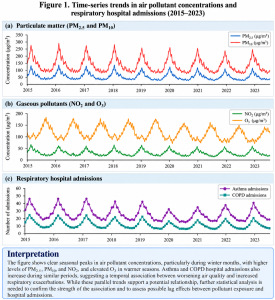
Figure 01: Time series trends in air pollutant concentrations and respiratory hospital admission (2015- 2023)
As shown in Figure 02, there is a positive exposure–response association between the concentration of PM₂.₅ and exacerbations of the respiratory system. The relative risk of asthma and COPD outcomes showed a progressive rise in risk with increasing PM₂.₅ exposure, suggesting a dose-response relationship that was nonlinear. COPD outcomes had the strongest relationship with exposure to high concentrations of PM₂.₅, especially hospital admissions, which could be attributed to underlying chronic airway inflammation and diminished respiratory reserve in those with COPD. The risk escalated with higher levels of PM₂.₅ pollution, especially when levels reached around 50 µg/m³ or higher, suggesting that high levels of pollution during particular episodes could significantly raise the risk of exacerbation of respiratory conditions. The larger width of the confidence intervals at high exposure levels is caused by greater uncertainty caused by fewer observations at high pollutant levels. The overall pattern of exposure-response supports the idea that there is a measurable relationship between exposure to particulate matter and an increase in respiratory morbidity and highlights the need to minimize exposure to PM₂.₅ in order to decrease the risk of exacerbation of asthma or COPD.
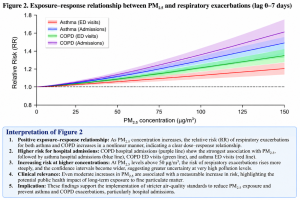
Figure 02: Exposure-response relationship between PM2.5 and respiratory exacerbations (lag 0-7 days)
The lag-response relationship between the exposure to PM₂.₅ and the exacerbation of the respiratory clinical outcomes is shown in Fig. 3, which captures the notion that exposure intensity and delayed health effects are both important. The findings showed that exposure to higher levels of PM₂.₅ exposure were correlated with higher risk of respiration on the day of exposure and not on the following days. The highest association was seen at higher levels of pollutants and a lag time of more than 10 days, indicating a cumulative biological effect of particulate exposure. For exacerbations of asthma, the risk started to rise as the PM₂.₅ concentrations increased, reaching its peak during the later exposures. Exacerbations of COPD were more strongly and widely associated, suggesting a higher sensitivity among COPD patients to continuous exposure to particulate pollutants. The delayed effects observed may be due to biological mechanisms such as changes in mucociliary function, oxidative stress, airway inflammation, and increased susceptibility to respiratory tract infections after exposure to pollution. These findings highlight the importance of incorporating lag structures in air pollution epidemiology and suggest that air-quality interventions should consider both immediate and delayed impacts on vulnerable respiratory populations.
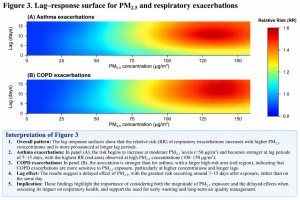
Figure 03: Lag-response surface for PM2.5 and respiratory exacerbations
This study in an urban population is a time-series study, and suggests that exposure to ambient air pollution is significantly related to increased exacerbations in asthma and chronic obstructive pulmonary disease (COPD). Variability of PM₂.₅, PM₁₀, NO₂, SO₂, CO, and O₃ levels and their temporal relationship with respiratory admissions suggest that air pollution continues to be an environmental risk factor for respiratory morbidity. This association between ambient air pollution and respiratory outcomes has been reported from various geographical regions, which supports the consistency of this association in spite of variation in population demographic characteristics and air pollution sources [11,12]. The current study revealed that particulate matter, especially PM₂.₅, plays an important role in exacerbation of asthma and COPD. The observed exposure–response relationship clearly showed that the increase in PM₂.₅ levels was correlated to increasingly increased risks of the respiratory system, which is in line with previous epidemiological evidence that fine particulate matter is one of the most harmful components of ambient air pollution. A number of previous multicity studies have documented associations between elevated levels of PM₂.₅ exposure and marked increases in the number of hospital admissions for respiratory diseases [13,14], especially persons with underlying respiratory conditions. The mechanisms of these associations are biological such as oxidative stress, epithelial damage, activation of inflammatory pathways and dysfunction of the airway defense mechanisms [15]. This study showed a greater relationship between PM₂.₅ and COPD exacerbation in comparison to prior studies of COPD patients who found greater susceptibility. People with COPD have chronic airway inflammation, decreased mucociliary clearance, and a diminished pulmonary reserve may make them more vulnerable to other environmental triggers. An extensive European study showed that chronic exposure was linked to faster lung function loss and higher COPD risk associated with traffic-related air pollution [16]. Likewise, other studies have found particulate exposure to be associated with greater COPD hospitalization and mortality, especially in older age groups and people who have severe disease [17]. The present results also showed that significant correlations exist between the exposure to nitrogen dioxide (NO₂) and exacerbation of respiratory symptoms. NO₂ is considered an important indicator of traffic-related pollution and has been associated with airway inflammation, increased bronchial hyperresponsiveness, and worsening asthma control. Longitudinal studies have previously demonstrated that long-term exposure to NO₂ is associated with a decrease in lung function and an increase in respiratory symptoms, especially in children and those with asthma [18]. The findings agree with the relevance of traffic emission control in the inner city. When looking at the temporal analysis, there were definite seasonal trends, with higher levels of pollutants corresponding to higher admission rates for asthma and COPD. Data from previous studies have shown comparable variations: in general, higher concentrations of fine particulate matter and poor meteorological conditions were associated with higher levels of respiratory morbidity [19]. The seasonal variation could be due to lower dispersion of the air, temperature inversions, more combustion activity and behavior changes during colder seasons. One key element of this study is the evaluation of the delayed effects of pollutants by means of lag-response modelling. The results showed that there was a cumulative response in biology as a result of pollution exposure, with risks continuing after the day of exposure. Distributed lag nonlinear models have been used in previous studies to show that air pollutants could have delayed respiratory effects that may last for several days following exposure [20]. These late effects could be due to the progressive inflammatory responses, oxidative damage, immune dysfunction, and heightened risk of respiratory infections [21]. This is in line with previous studies showing that higher concentrations of pollution correspond to a nonlinear exposure-response relationship, with respiratory risk rising at a greater rate than the rise in pollution. Multiple city-based studies have indicated that health impacts are greater during periods of high pollution levels, also known as days of extremes, highlighting the need to address short-term episodes of high pollution concentrations as well as moving forward with a plan to decrease long-term average exposures [22]. The increase in confidence intervals at the highest concentrations of PM₂.₅ in the current study might be due to greater variability at the highest exposures, as has been reported in other environmental epidemiological studies [23]. The results are of public health significance. Although asthma and COPD can be managed well with medication, it is still important to minimize exposure to the environment to prevent the disease. There is a body of evidence that the benefits of air-quality improvements – such as emission reduction policies, cleaner transportation systems and better industrial controls – can be substantial in terms of the reduction in respiratory disease burden [23]. In addition, intervention efforts can be directed to those that can use them to cut down healthcare use due to pollution among vulnerable sub-populations, such as elderly and severe respiratory disease patients. The current study has several merits: The measurement of several pollutants, the adjustment for meteorological confounder, and the use of advanced time-series methods. Generalized additive models and distributed lag nonlinear models provided the opportunity to examine complex nonlinear and delayed relationships between pollutant exposure and respiratory outcome measures. There are, however, a few caveats. First, the ecological design restricts individual-level exposure assessment, and may cause exposure misclassification. Second, smoking status and occupational exposure and indoor air pollution data were not available to fully adjust for all potential confounders. Third, there may be interactions among the different pollutants that are not only different, but also more complicated, which need to be studied further. Further studies with personal exposure monitoring, satellite-based pollutant estimates, biomarkers of inflammation, and patient-level follow up over time are suggested to better understand mechanisms and identify high-risk populations.
4.CONCLUSION
This study shows that the exposure to ambient air pollution has significant relationship with higher exacerbation of asthma and COPD in urban population. There were significant associations between high levels of PM₂.₅, PM₁₀, and NO₂ exposure and uptake of respiratory health services, especially in patients with COPD. The exposure-response analysis was used to confirm that the increasing concentration of PM₂.₅ is correlated with an increasing risk on the respiratory system and that the modelling of the lag response showed that the effect of the pollutant may extend beyond several days after exposure. The results suggest that exposure to air pollution is dose- and time-dependent and both factors play a role in the outcome of respiratory health. Taking measures to mitigate ambient air pollution, such as enhancing air pollution control legislation, optimizing urban planning, improving transportation infrastructure, and protecting vulnerable patients who have respiratory conditions, is important to minimize the impacts of asthma and COPD exacerbations. The use of air quality monitoring systems along with early warning systems could be an effective way to reduce the morbidity associated with air pollution in urban populations.
5.RECOMMENDATIONS
The results of this research show the pressing need for better governance of air quality in rapidly urbanizing areas. The regulatory authorities should make the emission limits at industrial facilities, power generation sources, and the transportation sector more stringent to decrease the exposure of the population to harmful materials such as PM₂.₅, PM₁₀, and NO₂. Sustained reduction in ambient pollution levels requires continuous review and/or revision of air quality policies, extension of monitoring networks and enforcement of already existing environmental legislation. Incorporation of air-quality management strategies in national non-communicable disease prevention programs should be emphasized to diminish the current escalating morbidity burden of air-quality-induced respiratory diseases. The robust temporal association between pollutant levels and asthma and COPD exacerbations highlights the need to develop integrated environmental health surveillance systems. Air-quality monitoring platforms should be connected to health databases for real-time assessment of the health risks associated with air pollution. These systems would enable the timely detection of high-risk pollution events, enable public health interventions, and enable evidence-based decision making by environmental and health authorities. Since there is a strong role of traffic-related pollutants, especially NO₂ and particulate matter, urban transport policies should concentrate on decreasing the emissions from vehicles. Governments should encourage the development of low emission transport systems, provide better public transport infrastructure, encourage the use of cleaner vehicle technologies and adopt effective vehicle emission-control programs. Specialists believe that planning initiatives that reduce the risk of chronic pollutant exposure to vulnerable populations should also be applied to urban planning that involves minimizing residential exposure to major traffic corridors. People with asthma and COPD are very vulnerable populations, and they could be affected more than others during peak air pollution levels. When dealing with respiratory disease, healthcare providers should routinely assess for environmental exposures. Use of personalized action plans and recommendations to avoid the pollution, optimize medication, and initiate clinical intervention during pollution events may lower the frequency of exacerbations, and reduce health service utilization, in high-risk patients. There is evidence of delayed effects of pollutant exposure, which indicates that preventive measures need to be taken before and during air quality poor days. If there is an air-quality forecasting system that is available to the public, it should alert the public to the level of hazard. These alerts should also provide practical advice for people suffering from chronic respiratory conditions, such as reducing outdoor activities in high pollution periods and taking measures to protect themselves. To improve the long-term effect on respiratory health, the effects of air pollution should be included in the urban development planning process. The increased use of green infrastructure, better planning of ventilation, development of low-emission areas, and residential areas away from main sources of emissions can play a role in lowering exposure levels. An important element of the prevention of respiratory disease in high-density cities is sustainable urban planning. More integrated environmental agency, healthcare system, and public health institution work is needed to fight respiratory disease caused by pollution. Clinicians need to be made aware of the local pollution situation and the effects of this pollution on respiratory patients, and the policymakers should take clinical evidence into account in environmental decisions. These multi-disciplinary approaches can enhance early detection and management of exacerbations due to pollution, as well as prevention. More studies are required to study the complicated exposure/pollution relationship and the progression of respiratory diseases. Individual level exposure data, satellite-derived pollution estimates, personal monitoring technologies and biological markers of inflammation and oxidative stress should be included in future studies. Longitudinal cohort studies are further recommended to elucidate the long-term impacts of chronic exposure to pollution and to reveal vulnerable populations. The results from this study further confirm that air pollution mitigation should be considered as a main element in the prevention of asthma and COPD. Ambient air pollution should be considered a cost-effective public health intervention that can have impacts on hospitalization for respiratory illnesses, enhance individual quality of life, and lower health care costs. Reducing the burden of respiratory disease due to pollution needs to be addressed on a national and international level.
AUTHOR CONTRIBUTION STATEMENT
Rabia Zulfiqar & Saima Bukhari: Substantial contributions to the conception or design of the work; or the acquisition, analysis, or interpretation of data for the work, Drafting the work or reviewing it critically for important intellectual content; AND Final approval of the version to be published, and Agreement to be accountable for all aspects of the work in ensuring that questions related to the accuracy or integrity of any part of the work are appropriately investigated and resolved.
ACKNOWLEDGEMENTS: No specific individuals, institutions, or organizations contributed additional support or assistance requiring formal acknowledgement for this study.
DECLARATIONS:
Funding: This research received no specific grant, financial support, or funding from any public, commercial, or non-profit organization.
Conflicts Of Interest: The authors declare that there are no conflicts of interest.
Data Availability: The datasets and information used in this study are publicly available from the sources cited within the article. No proprietary or restricted data were used.
Trial Registration: Trial registration is not applicable to this study, as it does not involve clinical trials, human participants, or experimental interventions.
Generative AI Disclosure: Generative artificial intelligence tools were not used for generating research data, conducting analyses, or producing scientific conclusions in this study. The authors take full responsibility for the content and accuracy of the manuscript.
REFERENCES
- Andersen, Z. J., Hvidberg, M., Jensen, S. S., Ketzel, M., Loft, S., Sørensen, M., Tjønneland, A., Overvad, K., & Raaschou-Nielsen, O. (2011). Chronic obstructive pulmonary disease and long-term exposure to traffic-related air pollution: A cohort study. American Journal of Respiratory and Critical Care Medicine, 183(4), 455–461. https://doi.org/10.1164/rccm.201006-0937OC
- Bhaskaran, K., Gasparrini, A., Hajat, S., Smeeth, L., & Armstrong, B. (2013). Time series regression studies in environmental epidemiology. International Journal of Epidemiology, 42(4), 1187–1195. https://doi.org/10.1093/ije/dyt092
- Cohen, A. J., Brauer, M., Burnett, R., Anderson, H. R., Frostad, J., Estep, K., Balakrishnan, K., Brunekreef, B., Dandona, L., Dandona, R., Feigin, V., Freedman, G., Hubbell, B., Jobling, A., Kan, H., Knibbs, L., Liu, Y., Martin, R., Morawska, L., Pope, C. A., III, Shin, H., Straif, K., Shaddick, G., Thomas, M., van Dingenen, R., van Donkelaar, A., Vos, T., Murray, C. J. L., & Forouzanfar, M. H. (2017). Estimates and 25-year trends of the global burden of disease attributable to ambient air pollution: An analysis of data from the Global Burden of Diseases Study 2015. The Lancet, 389(10082), 1907–1918. https://doi.org/10.1016/S0140-6736(17)30505-6
- Dominici, F., Peng, R. D., Bell, M. L., Pham, L., McDermott, A., Zeger, S. L., & Samet, J. M. (2006). Fine particulate air pollution and hospital admission for cardiovascular and respiratory diseases. JAMA, 295(10), 1127–1134. https://doi.org/10.1001/jama.295.10.1127
- Doiron, D., de Hoogh, K., Probst-Hensch, N., Fortier, I., Cai, Y., De Matteis, S., & Hansell, A. L. (2019). Air pollution, lung function and COPD: Results from the European Community Respiratory Health Survey. European Respiratory Journal, 54(2), Article 1802194. https://doi.org/10.1183/13993003.02194-2018
- Gasparrini, A., Armstrong, B., & Kenward, M. G. (2010). Distributed lag non-linear models. Statistics in Medicine, 29(21), 2224–2234. https://doi.org/10.1002/sim.3940
- Gasparrini, A., Guo, Y., Hashizume, M., Lavigne, E., Zanobetti, A., Schwartz, J., Tobias, A., Tong, S., Rocklöv, J., Forsberg, B., Leone, M., De Sario, M., Bell, M. L., Guo, Y. L., Wu, C. F., Kan, H., Yi, S. M., de Sousa Zanotti Stagliorio Coelho, M., Saldiva, P. H. N., Honda, Y., Kim, H., & Armstrong, B. (2015). Mortality risk attributable to high and low ambient temperature: A multicountry observational study. The Lancet, 386(9991), 369–375. https://doi.org/10.1016/S0140-6736(14)62114-0
- Global Initiative for Asthma. (2024). Global strategy for asthma management and prevention. Global Initiative for Asthma. https://ginasthma.org/
- Global Initiative for Chronic Obstructive Lung Disease. (2024). Global strategy for prevention, diagnosis and management of COPD: 2024 report. Global Initiative for Chronic Obstructive Lung Disease. https://goldcopd.org/
- Kelly, F. J., & Fussell, J. C. (2011). Air pollution and airway disease. Clinical & Experimental Allergy, 41(8), 1059–1071. https://doi.org/10.1111/j.1365-2222.2011.03776.x
- Peng, R. D., Dominici, F., & Louis, T. A. (2006). Model choice in time-series studies of air pollution and mortality. Journal of the Royal Statistical Society: Series A (Statistics in Society), 169(2), 179–203. https://doi.org/10.1111/j.1467-985X.2006.00410.x
- Sin, D. D., Doiron, D., Agustí, A., Anzueto, A., Barnes, P. J., Celli, B. R., & others. (2023). Air pollution and COPD: GOLD 2023 Committee Report. European Respiratory Journal, 61(3), Article 2202058. https://doi.org/10.1183/13993003.02058-2022
- World Health Organization. (2021). WHO global air quality guidelines: Particulate matter (PM₂.₅ and PM₁₀), ozone, nitrogen dioxide, sulfur dioxide and carbon monoxide. World Health Organization. https://www.who.int/publications/i/item/9789240034228
- Achakulwisut, P., Brauer, M., Hystad, P., & Anenberg, S. C. (2019). Global, national, and urban burdens of paediatric asthma incidence attributable to ambient NO₂ pollution: Estimates from global datasets. The Lancet Planetary Health, 3(4), e166–e178. https://doi.org/10.1016/S2542-5196(19)30046-4
- Atkinson, R. W., Kang, S., Anderson, H. R., Mills, I. C., & Walton, H. A. (2014). Epidemiological time series studies of PM₂.₅ and daily mortality and hospital admissions: A systematic review and meta-analysis. Thorax, 69(7), 660–665. https://doi.org/10.1136/thoraxjnl-2013-204492
- Bowe, B., Xie, Y., Li, T., Yan, Y., Xian, H., & Al-Aly, Z. (2019). The 2016 global and national burden of diabetes mellitus attributable to PM₂.₅ air pollution. The Lancet Planetary Health, 3(7), e301–e312. https://doi.org/10.1016/S2542-5196(19)30045-3
- Brook, R. D., Rajagopalan, S., Al-Kindi, S. G., et al. (2010). Particulate matter air pollution and cardiovascular disease: An update to the scientific statement from the American Heart Association. Circulation, 121(21), 2331–2378. https://doi.org/10.1161/CIR.0b013e3181dbece1
- Burnett, R., Chen, H., Szyszkowicz, M., et al. (2018). Global estimates of mortality associated with long-term exposure to outdoor fine particulate matter. Proceedings of the National Academy of Sciences, 115(38), 9592–9597. https://doi.org/10.1073/pnas.1803222115
- Guo, Y., Li, S., Tawatsupa, B., Punnasiri, K., Jaakkola, J. J. K., & Williams, G. (2014). The association between air pollution and mortality in Thailand. Scientific Reports, 4, Article 5509. https://doi.org/10.1038/srep05509
- Hansel, N. N., McCormack, M. C., & Kim, V. (2016). The effects of air pollution and temperature on COPD. COPD: Journal of Chronic Obstructive Pulmonary Disease, 13(3), 372–379. https://doi.org/10.3109/15412555.2015.1089846
- Liu, J. C., Peng, R. D., Bell, M. L., et al. (2019). A systematic review of the impact of particulate matter on respiratory health. Environmental Research, 172, 121–134. https://doi.org/10.1016/j.envres.2019.02.001
- Orellano, P., Quaranta, N., Reynoso, J., Balbi, B., & Vasquez, J. (2017). Effect of outdoor air pollution on asthma exacerbations in children and adults: Systematic review and multilevel meta-analysis. PLOS ONE, 12(3), e0174050. https://doi.org/10.1371/journal.pone.0174050
- Zanobetti, A., & Schwartz, J. (2009). The effect of fine and coarse particulate air pollution on mortality: A national analysis. Environmental Health Perspectives, 117(6), 898–903. https://doi.org/10.1289/ehp.0800108
Supplemental material
No supplementary files, datasets, figures, or additional materials are associated with this study. Any information necessary to understand and evaluate the work is included in the main article.
Citation
Rabia Zulfiqar & Saima Bukhari (2026). Long-Term Exposure to Ambient Air Pollution and Exacerbations of Asthma and COPD in Urban Populations: A Time-Series Analysis. Dinkum Journal of Medical Innovations, 5(04): 327-339. https://doi.org/10.71017/djmi.5.04.d-0605
DOI
https://doi.org/10.71017/djmi.5.04.d-0605
Identification
D-0605
Publication History
Submitted: 29-01-2026
Accepted: 02-04-2026
Published: 30-04-2026
Copyright
© The Author(s) 2026
Publishing License

 This is an Open Access article distributed under the terms of the Creative Commons Attribution (CC BY 4.0) License .