

Vol. 5 No.04 (2026) | Page: 365-376 | Research Article 
Climate Variability, Extreme Heat, and Infectious Disease Burden: A Multicity Time-Series Analysis in South Asia
Qiaoyu Shao Shaw 1*, Xiaoteng Ma 2
-
- Department of Cardiology, Beijing Anzhen Hospital, Capital Medical University, Beijing, China
- Department of Radiology, Beijing Anzhen Hospital, Capital Medical University, Beijing, China





ABSTRACT
Background: Climate variability and increasing extreme heat events are emerging threats to infectious disease transmission, particularly in climate-sensitive regions such as South Asia.
Objective: This study investigated the association between climatic exposures, extreme weather events, and infectious disease burden in major South Asian urban centers.
Methods: An ecological time-series study (2005–2025) analyzed dengue, malaria, cholera, and acute diarrheal disease alongside daily temperature, rainfall, humidity, and heatwave indicators.
Results: South Asian cities experienced significant warming and increased heatwave events, with stronger trends in inland urban areas. Climate–disease associations varied by location and disease type. Moderate warming increased dengue and malaria risks. Rainfall and humidity influenced vector-borne and waterborne disease transmission.
Conclusion: Glycemic variability and systemic inflammation are emerging prognostic factors in cancer care and may influence treatment outcomes and survival. Integrating metabolic and inflammatory biomarkers into clinical assessment may support personalized cancer management.
Keywords: climate variability, infectious diseases, climate change, waterborne diseases
Key points:
- How are rising temperatures, rainfall, humidity, and extreme heat events associated with infectious disease burden in South Asian cities?
- Moderate warming increases dengue and malaria risks, while rainfall and humidity influence vector-borne and waterborne disease transmission.
- Integrating climate indicators into public health surveillance may strengthen infectious disease forecasting and support targeted prevention strategies.
- INTRODUCTION
The effects of climate change, such as a change in ecological systems, an evolution of pathogens, the behavior of vectors and an alteration of human exposure are important drivers of emerging and re-emerging infectious diseases. Expansion of infectious diseases is one of the key health impacts of global warming and climate change according to the Intergovernmental Panel on Climate Change (IPCC) [1]. Disease transmission is dependent on complex interaction of environment suitability, biological processes, and social vulnerability, with temperature and precipitation, and humidity having effect on disease transmission [2]. This effect is especially pronounced in tropical and subtropical areas where distribution and seasonal changes of the pathogens responsible for the disease are highly controlled by climatic conditions [3]. South Asia is one of the most climate-sensitive region in the world, where the rate of warming is high, the frequency of heatwaves is rising, monsoons are becoming unpredictable and climate extremes are becoming more intense. The region hosts almost 25% of the world’s population, many of whom reside in urban areas with heavy population density, where the impact of climate change on health is exacerbated by poor infrastructure, sanitation, and health services [4]. In the past few decades, countries such as Pakistan, India, Bangladesh, Nepal, and Sri Lanka have been experiencing more frequent extreme heat events, where some events have surpassed historical temperature records [5, 6]. The changes have sparked concerns, not only about direct heat-related morbidity and mortality, but also about the indirect effects on the spread of infectious disease. High temperatures can affect infectious diseases in several ways. The response to temperature is directly related to vector competence, pathogen replication, mosquito development rates, and probability of survival. The speed of maturation of mosquito vectors and completion of the extrinsic incubation period of pathogens in mosquito hosts (e.g., dengue virus, malaria organism) depends on temperature [6]. Viral load increases in mosquitoes under warm conditions which may shorten the time needed for the virus to replicate inside the mosquito and enhance its chances for transmission to humans. These relationships are, however, not linear; very warm temperatures can be harmful to the vectors and could decrease transmission potential [7]. As such, it is critical to establish thresholds for temperature and disease risk for climate-sensitive disease prediction. Dengue fever is one of the most evident climate-sensitive infectious diseases in the South Asian region. Increased temperature, urbanization, population mobility and changes in rainfall patterns are associated with the geographical spread of dengue transmission [8]. Aedes aegypti is the main vector of the Dengue virus and is found in warm and humid conditions, but mainly in urban areas where there are many artificial water containers for the birds to breed in. A number of studies have shown the effects of temperature and rainfall variability on the spread of dengue linked to its impact on the abundance of mosquitoes, development of the virus and human-vector interactions [9]. Likewise, climatic conditions play an important role in malaria transmission. Temperature is a factor in the dynamics of mosquitos and in the development of the parasites in the mosquito vectors. The rainfall creates the breeding habitats while during heavy rains, it can boost transmission (by creating breeding habitats) or limit transmission (by destroying breeding habitats) [10]. These complicated interactions are reminders that more than just mean temperature changes are important. Climate variability also impacts water borne infectious diseases with a special emphasis on diarrheal diseases and cholera. Pathogenic microorganisms can be spread by extreme rainfall events and flooding, which may over-tax sanitation systems and pollute drinking water sources [11]. However, a drought could lead to diminished water supplies and unsafe water storage methods, which could increase exposure. Climate-induced shocks to water and sanitation systems can significantly amplify the vulnerability to infectious diseases in urban areas in South Asia, where urban growth often outpaces infrastructure development. Some studies have examined links between single climatic factors and infectious diseases, but there are several gaps. First, most studies have been conducted in isolated cities or in one country, which prevented the ability to have a regional picture of patterns. There can be significant variations in the relationship between climate and disease between coastal cities (Karachi and Mumbai), humid tropical cities (Dhaka and Colombo) and inland areas (Lahore and Delhi). Second, while numerous studies have been conducted to examine the linear relationship between climatic exposure and disease transmission, there is evidence that climatic exposures may have delayed and nonlinear effects [12]. Distributed lag nonlinear models (DLNM) are a sophisticated tool for exploring these complex relationships. DLNM enables the simultaneous analysis of nonlinear exposure–response relationships and delayed effects throughout time, compared with traditional regression methods. This method is increasingly used in environmental epidemiology for assessing the impact of climatic extremes, air pollution and climatic variability on health [13]. Use of DLNM in a multi-city South Asian context could help to better estimate risks from infectious diseases due to climate change. Moreover, climate change will worsen health disparities, as climate-exposed vulnerable groups will be more vulnerable to climate change and have less resources available to adapt. Crowded living conditions, poor access to clean water, poor waste management, and lower levels of access to healthcare, may be associated with increased risk for infection in low-income urban communities [14, 15]. But effective prediction systems need to have strong evidence of regional climatic drivers and disease specific responses. This study will therefore seek to explore the association between climate variability, extreme heat events and the burden of infectious diseases in major cities in South Asia on a multicity time-series analytical platform. The methodology combines high-resolution climate data and infectious disease surveillance information to determine thresholds, lag structures and regional vulnerability patterns of climate-sensitive infectious diseases. The results will help enhance our understanding of the interactive relationship between climate and health and aid in the development of evidence-based strategies for managing infectious diseases in South Asia.
- MATERIALS AND METHOD
2.1 Study Design and Analytical Framework
In order to explore the links between climate variability, extreme heat exposure and infectious disease burden, a multicity ecological time-series study was carried out in major cities across South Asia. Time-series epidemiological methods were chosen because they permitted the assessment of short-term exposures to the environment and controlled for seasonal variations, temporal trends among years and population level confounding factors. The analytical toolkit combined daily meteorological information and infectious disease surveillance data with state-of-the-art statistical modelling methods. The study both quantified immediate and delayed impacts of climatic exposures on incidence of infectious diseases and compared the sensitivity of various urban environments to climate. Since they were able to provide a sound tool to evaluate delayed climatic effects and nonlinear exposure response relationships, distributed lag nonlinear models (DLNM) were used. The conceptual framework assumed that climatic factors played a role in promoting the transmission of infectious diseases in several interrelated ways. Variability in temperature influenced the development of pathogens, reproduction of vectors, and the host-vector interactions, while variability in rainfall and humidity altered the ecological conditions affecting the survival of the vectors and persistence of the pathogen. The climatic impacts were delayed in different disease transmission cycles and under different environmental conditions.
2.2 Study Setting and Selection of Cities
The cities used in this study were selected from the major cities of different countries of South Asia and have different climatic conditions, population density and environmental conditions. The cities were chosen for three reasons: they had a long history of meteorological data, infectious disease surveillance data was available and reliable, and they represented different climatic regions. Selected cities were Karachi, Lahore and Islamabad in Pakistan, Delhi, Mumbai, Kolkata and Chennai in India, Dhaka and Chittagong in Bangladesh, Colombo in Sri Lanka and Kathmandu in Nepal. They were located in various climatic zones: arid, semi-arid, and tropical coastal. They also represented the high population density cities with climate change exposure, coupled with environmental degradation and public health vulnerabilities. Urban areas were chosen because they had favorable conditions for the spread of climate-sensitive infectious diseases, especially vector-borne diseases like Dengue due to increasing population density, faulty drainage facilities, waste management practices, and artificial water storage facilities.
2.3 Data Sources
2.3.1 Meteorological Data
The study period (2005–2025) was used to gather meteorological data on a daily basis for each of the selected cities. The following climate variables were included: Daily maximum temperature (°C); Daily mean temperature (°C); Daily minimum temperature (°C); Relative humidity (RH, %); Daily precipitation (mm); Heat index values; Heatwave characteristics. The meteorological data was sourced from internationally validated climate data and national meteorological agencies. Re-analysis datasets were employed because they were designed to provide spatially coherent climate estimates through a combination of measurements from satellites, ground-based data and modelling from the atmosphere. Exposure to extreme heat was documented by several instead of one temperature measurement. Heatwave events were defined as those in which the daily maximum temperature was above the 95th percentile of the historical temperature distribution for at least two days.
2.3.2 Infectious Disease Data
Infections data were collected from national infectious disease monitoring systems and databases at daily/weekly level. The infectious diseases that were selected were dengue fever, malaria, cholera and diarrheal diseases; these diseases were found to be strongly associated with the transmission and climatic conditions previous studies [16 – 23] have shown. This enabled the comparison of disease burden across cities with varying population characteristics.
2.4 Climate Exposure Assessment
2.4.1 Temperature Exposure
Temperature was selected as the major exposure variable because it can have direct effects on pathogen development, vector biology, and transmission efficiency. Categorical heat exposure indicators were analyses as well as continuous temperature measurements. For each city, the lowest estimated temperature corresponding to the minimum disease risk (MMT) was calculated. Risk increases were calculated for temperatures warmer and cooler than the identified MMT.
2.4.2 Rainfall and Humidity Exposure
The secondary climatic exposures of rainfall and humidity were included because they strongly affected the vector ecology and pathogen transmission. The effects of rainfall were assumed to be nonlinear, as moderate rainfall may create more breeding habitats for mosquitos, while too much rainfall may cause flooding and habitat disruption and thus decrease mosquito populations. Relative humidity was added since the survival, biting behavior and growth of pathogens within the mosquito life cycle were influenced by moisture in the atmosphere.
2.5 Statistical Analysis
A descriptive analysis was conducted to describe temporal variations in climate conditions and disease incidence of infectious diseases in the selected cities. The temporal patterns of disease cases were explored through monthly and seasonal distributions and long-term climate–health relationships were explored through the long-term trends of temperature and through heatwave event frequencies, rainfall variability, and through disease seasonality. Time-series plots were created to visually investigate the temporal relationships between climatic exposures and the occurrence of infectious disease. Distributed lag nonlinear models (DLNMs) were used as the principal analytical tool to represent the nonlinear and delayed impacts of climatic factors on disease transmission. The general model was defined as:
log(E(Yt)) = α + cb(Xt,l)+ns(Time, df)+ns(Humidity)+ns(Rainfall)+DOW
The non-linear exposure–lag relationships between the climatic variables and the disease outcomes were captured by (Yt) the number of cases of the disease each day, (cb (X_t,l)) the cross-basis function, and (ns (Time,df)) the long-term temporal trend and seasonal variation, (DOW) accounted for day-of-week effects. Because climatic exposures may affect the transmission of infectious disease(s) through a lag period that can vary from zero to 30 days, exposure periods of 0 to 30 days were evaluated. A random-effects meta-analysis model was then used to combine estimates at the city level and calculate the regional risk estimates for each region and the overall effect of climate variability on the burden of infectious diseases. The Cochran’s Q statistic and the I² heterogeneity index were used to assess between-city heterogeneity. The geographic location, climate classification, population density and the disease burden were further explored as possible sources of variation. Sensitivity analysis was performed to assess the sensitivity of the results by changing the lag period from 0–14 days, 0–21 days, and 0–45 days. Further models were created with adjustment for possible confounding variables such as air pollution, seasonal variations, public holidays and changes in long-term population. The analyses were conducted to confirm that the relationships found between climatic exposures and infectious disease outcomes were consistent for various definitions of exposure, lag times, and statistical modelling techniques.
- RESULTS
3.1 Temporal Trends in Climate Variability Across South Asian Cities
There were notable differences in climatic conditions between the cities in South Asia studied during the period (2005–2025). Our analysis showed that the number and intensity of extreme heat days rose significantly in the latter half of the study period (Figure 1).
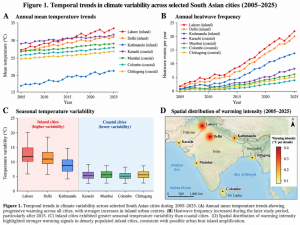
Figure 1(A-D): Temporal Trends in Climate Variability Across Selected South Asian Cities (2005–2025)
All cities in South Asia experienced an annual mean temperature increase of more than 1°C between 2005 and 2025 (Figure 1A). The warming trend and the temperature variation were more pronounced in inland cities, Lahore, Delhi and Kathmandu, than in coastal cities of the region with more stable temperature variations due to the influence of the seas. The frequency of heatwaves has increased as shown in Figure 1B, especially since 2015. There were higher numbers of heat waves in inland cities, which means there is a greater exposure to extreme heat in such areas. Seasonal temperature differences are larger in inland cities than in coastal cities (as indicated in Figure 1C). The greater temperature variations in inland areas indicate greater climatic variations and greater thermal stress. The spatial distribution of warming intensity in figure 1D reveals greater warming signals in the dense population inland cities, in particular Lahore and Delhi. The cities along the coasts had lower warming intensities because of the buffering effects of the oceans. The overall picture from figure 1 suggests a clear South Asian warming pattern, where inland urban areas are warming more than other regions, and the number of heatwaves and climate variability have increased.
3.2 Increasing Frequency and Intensity of Extreme Heat Events
All heatwave characteristics (frequency, cumulative intensity, and duration) were found to increase significantly at all study locations when analyzed. The number of annual heatwave days increased progressively throughout the study period. The number of extreme heat days and the average length of heatwaves have increased significantly over the last five years of observation (year 2021 to year 2025) compared with the first five years (year 2005 to year 2009); the number of maximum daily temperature anomalies has increased, which shows the increasing intensity of warmer temperatures. Lahore, Delhi and Karachi witnessed the longest heatwave with temperatures often surpassing critical physiological limits. The large population size and built-up areas of these cities also indicated more population exposure. The heat index analysis showed that perceived thermal stress was greatly affected by the humidity in tropical cities. Absolute temperatures were cooler at coastal sites than inland sites, but humidity levels were higher and led to higher apparent temperatures and greater duration of thermal discomfort.
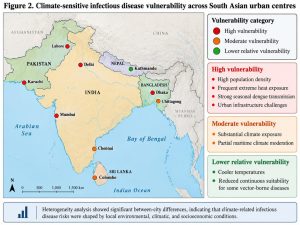
Figure 02: Climate-sensitive infectious disease vulnerability across South Asian
The findings indicated that temperature and humidity should both be taken into account when assessing climate-related health risks, rather than temperature alone. The same has been shown by other studies that heat stress indices are better indicators of human exposure in extreme events of weather conditions [28].
3.3 Seasonal Patterns of Infectious Disease Burden
In all cities studied, no less than seasonal variations were found in the incidence of infectious diseases (Figure 3). The seasonal cycles showed that there were clear seasonal variations in disease burden caused by infectious diseases in South Asian cities, reflecting the influence of climate. The number of dengue cases rose significantly from August to November, corresponding to the post-monsoon season, which provided breeding opportunities for mosquitoes and transmission opportunities for the virus, given the warm temperature, high rainfall and humidity. Malaria incidence rose after rainy and seasonal temperature shifts, but spatiotemporal patterns of transmission were variable and dependent on the local climatic and environmental context. Waterborne diseases showed higher prevalence after heavy rainfall and flooding events, especially in urban areas with high population density and poor sanitation and drainage infrastructure, which led to higher risk of contamination of water sources. Overall, observed patterns suggest that the seasonal climatic drivers—such as temperature, rainfall, humidity and flooding—were significant in determining the dynamics of infectious diseases, impacting pathogen survival, vector ecology and human exposure pathways in urban areas of South Asia.
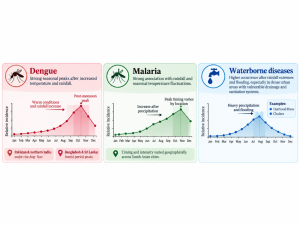
Figure 03: Seasonal pattern of dengue, malaria, and waterborne diseases
Heavy rainfall periods were associated with the increase in disease prevalence, especially in areas of high population density, with poor drainage and sanitation systems. These results confirmed earlier findings of the strong influence of climatic conditions on the survival of pathogens, vector ecology and exposure of humans to infectious diseases in tropical areas [29].
3.4 Association Between Temperature and Infectious Disease Risk
In all cities, a non-linear exposure – disease association was observed. There was a positive association between moderate increases in temperature and the risk of infectious diseases, but this was not the same for all diseases and all geographical areas. Dengue transmission was associated with rising risk of disease with temperatures above city-specific minimum morbidity temperatures (MMTs). Relative risks were greatest within the temperature ranges that were favorable to development of Aedes aegypti. The relationship was inverted-U shaped, with mosquito development limited at low temperatures, and transmission potential and vector survival decreased at extremely high temperatures. The highest effects of temperature on dengue transmission occurred between 27°C and 32°C, and the weakest or negative effects occurred above 35–37°C, likely because of the reduction in mosquito survival at higher temperatures. The effect of temperature was seen slightly below malaria, as a result of differences in the requirement for the development of the parasite and the ecology of the mosquito. There was considerable variation in the city-specific increase in disease risk with temperature. The risks in the tropical coastal cities were higher at lower temperatures than hotter inland cities, indicating the possibility of adaptation of local vector populations to regional climate change. These results corroborated previous research [24, 25] indicating the nonlinear nature of the climate disease relationships and their regional adaptation.
3.5 Multicity Comparison of Climate-Related Disease Vulnerability
Pooled multicity analysis revealed that there were significant differences between climate sensitivity of urban centers in South Asia. The cities were ranked by their climate vulnerability to infectious diseases. High climate-sensitive disease vulnerability was reported in Dhaka, Karachi, Lahore, Delhi and Mumbai, where high population density, exposure to extreme heat, dengue seasonality, and urban infrastructure issues were reported. Moderate vulnerability was observed in Colombo, Chittagong and Chennai where there was significant climate exposure, but is partially buffered by maritime influences. Among cities, Kathmandu was relatively less vulnerable since some vector borne diseases were not suitable for continuous transmission under cooler climatic conditions. Results from the heterogeneity analysis confirmed that there were significant differences between cities, and that the dangers of infectious diseases due to climate change were significantly related to the environmental, climatic and socioeconomic conditions.
3.6 Predictive Performance of Climate-Based Models
Multiple climatic indicators were used in climate-based models, which showed better predictive performance. Models for Temperature, Rainfall, Humidity and Heatwave indicators. Extreme heat variables were added to enhance the ability to identify periods where there is a higher likelihood of infectious diseases, which was especially true for dengue outbreaks. The results revealed the potential of climate-based monitoring systems for timely warnings to public health agencies.
- DISCUSSION
This time-series analysis at the multicity level examined how climate variability is related to the burden of infectious diseases and extreme heat exposure in key urban centers in South Asia. The results showed that the changes in infectious diseases incidence were significantly associated with the increase in temperature, increase in the number of extreme heat events and change in the precipitation patterns. The climate–disease relationships observed were not linear and varied by infectious disease category, and by geographical location, pointing to a complex relationship between climate and disease transmission. The rise in heatwaves in South Asian cities was linked to the general warming in the region due to anthropogenic climate change, urbanization and enhanced city heat island effect [26]. Rainfall and humidity were found to affect ecological conditions favoring vector proliferation and pathogen persistence and temperature was found to affect infectious disease dynamics by means of several biological pathways such as effects on pathogen replication, vector development, mosquito survival and host-vector interaction [27]. The research revealed a significant link between extreme heat and the risk of vector borne diseases, especially dengue and malaria. These results corroborated previous studies showing that high temperatures increase the potential for transmission by mosquitoes through shortening of the extrinsic incubation period of pathogens in the mosquitoes, greater biting rates, and faster development rates [28, 29]. The relationship between temperature and disease transmission was not linear though, as very high temperatures lowered the survival of the vector and made it less efficient at transmitting disease, which was consistent with previous evidence that disease risk is greatest in certain ecological temperature ranges, not necessarily as it increases with temperature [30]. The patterns of infectious diseases were also affected by variability in rainfall. Moderate rainfall events enhanced the spread of dengue, due to the provision of favorable mosquito breeding conditions, while extreme rainfall events affected the risks of waterborne illnesses because of the flooding, loss of sanitation, and contamination of water sources [31]. The multicity analysis also found that there was significant variation in the vulnerability of cities to climate-related diseases, with the cities with the largest population size, including densely populated urban centres, having a higher vulnerability, such as Dhaka, Karachi, Lahore, Delhi, and Mumbai, owing to high population density, poor drainage networks, rapid urban growth, and limited public health infrastructure. The results highlighted that socioeconomic factors, urban development and adaptation capacity were as important as climatic exposure in determining climate vulnerability [32]. Distributed Lag Nonlinear Models gave valuable insights in delayed and nonlinear climate disease associations, showing that climate exposures had an impact on the occurrence of infectious diseases after biologically relevant time delays, related to the development of mosquitoes, the incubation period of the pathogens and the amplification of the disease through environmental factors [33]. The results confirmed that combining the climate data with the infectious diseases surveillance systems is critical for establishing adequate early-warning systems. Targeted vector-control activities, better healthcare preparedness and resource allocation could be achieved during high-risk outbreak seasons with the help of climate-informed prediction models. However, there are a number of points that need to be recognized about these strengths. Patterns observed were limited to an ecological study design and may have been affected by the different reporting systems for disease among countries. Also, other factors like population movements and changes in land use and vector control measures were not fully integrated. Future research should combine high resolution climate projections, remote sensing data, socioeconomic vulnerability indicators and machine-learning techniques to better predict climate-driven outbreaks of infectious diseases. Overall, this study offers novel evidence of the role of climate variability and extreme heat in driving infectious disease burden in South Asia and the need for public health strategies that are climate resilient.
- CONCLUSION
This study showed climate variability, rising extreme heat and shifting precipitation patterns to be key drivers of burden of infectious disease in several major cities in South Asia. The city-wise time-series analysis highlighted the substantial shifts in transmission patterns of climate-sensitive infectious diseases, such as dengue, malaria and water-borne diseases, with increasing temperature. These associations were nonlinear and dependent on geographical location, climatic characteristics and disease specific mode of transmission. Extreme heat events led to greater disease risks due to changes in vector ecology, pathogen development, and environmental conditions that facilitated infectious disease transmission. Finally, rainfall variability was implicated in the emergence of diseases due to its effects on the alteration of mosquito breeding habitats and increasing susceptibility to water contamination and lack of sanitation. The results pointed out the fact that climate change poses not only an environmental problem, but is also a new public health problem demanding joint adaptation measures. Increased urbanization, population growth, poor infrastructure and lack of health care access combined with climate hazards created a high risk for cities in South Asia. The rise in heatwaves and climate extremes indicated that the current infectious disease control strategies would no longer be effective in the absence of climate-based risk assessment and forecasting methods. The findings informed the building of climate-sensitive ID EWS that integrated meteorological data with epidemiological surveillance. This may help to predict outbreaks ahead of time and to take preventive actions when necessary. Health officials should consider using temperature thresholds, rainfall anomalies, humidity levels, and heatwave indicators as part of their routine disease monitoring protocols. Prevention measures for vector-borne diseases should be improved through targeted measures in climate-sensitive risk periods. These should comprise better mosquito surveillance, better vector-control programmes, elimination of artificial breeding sites, community-based awareness programmes and quick response mechanisms for outbreaks. Moreover, urban planning policies should also stress on climate-resilience by enhancing drainage infrastructure, sustainable water management, introducing more green areas and minimizing UHI effects. In addition, enhancing infrastructure in health care and disease surveillance will play a crucial role in mitigating the potential for future climate change impacts on health. Vulnerable urban populations—those at higher risk of exposure to extreme heat and infectious disease due to socioeconomic disadvantage—should be especially addressed. Environmental, health and social considerations should be accounted for in climate adaptation policies, and not climate change-specific. While this research has given pivotal evidence on climate-related risks of infectious diseases in South Asia, further studies will be needed to further refine future projections. Future research should also include climate change scenarios, socioeconomic vulnerability indices, patterns of human mobility, land-use changes, and effectiveness of interventions to create more holistic predictive models. The use of complex statistical methods, remote sensing tools, and AI could improve climate-health prediction systems even more.
AUTHOR CONTRIBUTION STATEMENT
Qiaoyu Shao Shaw & Xiaoteng Ma: Substantial contributions to the conception or design of the work; or the acquisition, analysis, or interpretation of data for the work, Drafting the work or reviewing it critically for important intellectual content; AND Final approval of the version to be published, and Agreement to be accountable for all aspects of the work in ensuring that questions related to the accuracy or integrity of any part of the work are appropriately investigated and resolved.
ACKNOWLEDGEMENTS: No specific individuals, institutions, or organizations contributed additional support or assistance requiring formal acknowledgement for this study.
DECLARATIONS:
Funding: This research received no specific grant, financial support, or funding from any public, commercial, or non-profit organization.
Conflicts Of Interest: The authors declare that there are no conflicts of interest, financial or otherwise, that could have influenced the research, analysis, or interpretation of the findings presented in this article.
Data Availability: The datasets and information used in this study are publicly available from the sources cited within the article. No proprietary or restricted data were used.
Trial Registration: Trial registration is not applicable to this study, as it does not involve clinical trials, human participants, or experimental interventions.
Generative AI Disclosure: Generative artificial intelligence tools were not used for generating research data, conducting analyses, or producing scientific conclusions in this study. The authors take full responsibility for the content and accuracy of the manuscript.
REFERENCES
- Anikeeva, O., et al. (2024). Climate change and infectious diseases: Impacts of rising temperatures and extreme weather events. International Journal of Environmental Research and Public Health, 21(4), 452. https://doi.org/10.3390/ijerph21040452
- Agyarko, R. K. D., et al. (2025). Climate change and the rise of emerging and re-emerging infectious diseases. International Journal of Environmental Research and Public Health, 22(6), 903. https://doi.org/10.3390/ijerph22060903
- Achee, N. L., Gould, F., Perkins, T. A., Reiner, R. C., Morrison, A. C., Ritchie, S. A., Gubler, D. J., & Teyssou, R. (2015). A critical assessment of vector control for dengue prevention. PLoS Neglected Tropical Diseases, 9(5), e0003655. https://doi.org/10.1371/journal.pntd.0003655
- Akhtar, M. W., et al. (2023). Climate change and dengue transmission dynamics in South Asia: A systematic review. Environmental Research, 229, 115976. https://doi.org/10.1016/j.envres.2023.115976
- Carlson, C. J., Albery, G. F., Merow, C., Trisos, C. H., Zipfel, C. M., Eskew, E. A., Olival, K. J., Ross, N., & Bansal, S. (2022). Climate change increases cross-species viral transmission risk. Nature, 607, 555–562. https://doi.org/10.1038/s41586-022-04788-w
- Chae, S., Lee, J., Kim, S., & Lee, S. (2022). Effects of temperature and precipitation on dengue fever transmission: A systematic review and meta-analysis. Science of the Total Environment, 812, 151477. https://doi.org/10.1016/j.scitotenv.2021.151477
- Colón-González, F. J., Sewe, M. O., Tompkins, A. M., Sjödin, H., Casallas, A., Rocklöv, J., & Caminade, C. (2021). Projecting the risk of mosquito-borne diseases under climate change scenarios. The Lancet Planetary Health, 5(3), e149–e160. https://doi.org/10.1016/S2542-5196(20)30234-8
- Ebi, K. L., Ogden, N. H., Semenza, J. C., & Woodward, A. (2021). Detecting and attributing health burdens to climate change. Environmental Health Perspectives, 129(5), 055001. https://doi.org/10.1289/EHP8409
- Escobar, L. E. (2020). Global impacts of climate variability on infectious diseases. Frontiers in Public Health, 8, 544. https://doi.org/10.3389/fpubh.2020.00544
- Gasparrini, A., Guo, Y., Hashizume, M., et al. (2015). Mortality risk attributable to high and low ambient temperature: A multicountry observational study. The Lancet, 386(9991), 369–375. https://doi.org/10.1016/S0140-6736(14)62114-0
- Guo, C., Bo, Y., Lin, C., Li, H. B., Zeng, Y., Zhang, Y., Hossain, M. S., & Chan, T. C. (2019). Global association between ambient temperature and infectious disease transmission. Environmental International, 127, 660–672. https://doi.org/10.1016/j.envint.2019.03.012
- Huang, X., Clements, A. C. A., Williams, G., Milinovich, G., Hu, W., & Tong, S. (2022). Climate variability and dengue transmission: A systematic review. Environmental Research, 203, 111896. https://doi.org/10.1016/j.envres.2021.111896
- Islam, M. S., et al. (2023). Climate change and infectious diseases in South Asia: Emerging risks and adaptation priorities. Regional Environmental Change, 23, 120. https://doi.org/10.1007/s10113-023-02110-8
- Khan, K., & Hasan, M. (2021). Climate change, vector ecology and dengue emergence in South Asia. Tropical Medicine and Infectious Disease, 6(4), 190. https://doi.org/10.3390/tropicalmed6040190
- Liu, J., Zhou, J., & Chen, R. (2021). Temperature, humidity and dengue transmission: Evidence from tropical regions. Environmental Science and Pollution Research, 28, 57572–57584. https://doi.org/10.1007/s11356-021-14572-5
- Mora, C., McKenzie, T., Gaw, I. M., Dean, J. M., von Hammerstein, H., Knudson, T. A., et al. (2022). Over half of known human pathogenic diseases can be aggravated by climate change. Nature Climate Change, 12, 869–875. https://doi.org/10.1038/s41558-022-01426-1
- Naish, S., Dale, P., Mackenzie, J. S., McBride, J., Mengersen, K., & Tong, S. (2014). Climate change and dengue: A critical and systematic review. BMC Infectious Diseases, 14, 167. https://doi.org/10.1186/1471-2334-14-167
- Ogden, N. H. (2017). Climate change and vector-borne diseases of public health significance. F1000Research, 6, 1434. https://doi.org/10.12688/f1000research.11753.1
- Ryan, S. J., Carlson, C. J., Mordecai, E. A., & Johnson, L. R. (2019). Global expansion and redistribution of Aedes-borne virus transmission risk with climate change. PLoS Neglected Tropical Diseases, 13(3), e0007213. https://doi.org/10.1371/journal.pntd.0007213
- Semenza, J. C., & Suk, J. E. (2018). Vector-borne diseases and climate change: A European perspective. FEMS Microbiology Letters, 365(2), fnx244. https://doi.org/10.1093/femsle/fnx244
- Siraj, A. S., Santos-Vega, M., Bouma, M. J., Yadeta, D., Ruiz Carrascal, D., & Pascual, M. (2017). Altitudinal changes in malaria incidence linked to climate variation. Science, 355(6324), 1154–1158. https://doi.org/10.1126/science.aag3048
- Stanaway, J. D., Reiner, R. C., Blacker, B. F., et al. (2016). The global burden of dengue: An analysis from the Global Burden of Disease Study 2013. The Lancet Infectious Diseases, 16(6), 712–723. https://doi.org/10.1016/S1473-3099(16)00026-8
- Thirumalai, K., DiNezio, P. N., Okumura, Y., & Deser, C. (2017). Extreme temperatures and climate variability. Nature Climate Change, 7, 555–560. https://doi.org/10.1038/nclimate3333
- Tong, S., Ebi, K. (2019). Preventing and mitigating health risks of climate change. Environmental Research, 174, 9–13. https://doi.org/10.1016/j.envres.2019.04.012
- Tjaden, N. B., Suk, J. E., Fischer, D., Thomas, S. M., Beierkuhnlein, C., & Semenza, J. C. (2017). Modelling the effects of global climate change on dengue transmission. International Journal of Environmental Research and Public Health, 14(6), 584. https://doi.org/10.3390/ijerph14060584
- Watts, N., Amann, M., Arnell, N., et al. (2021). The 2020 report of the Lancet Countdown on health and climate change. The Lancet, 397(10269), 129–170. https://doi.org/10.1016/S0140-6736(20)32290-X
- Watts, N., Amann, M., Arnell, N., et al. (2023). The 2023 report of the Lancet Countdown on health and climate change. The Lancet, 402(10419), 2346–2394. https://doi.org/10.1016/S0140-6736(23)01859-7
- (2023). Climate change and health. World Health Organization. https://doi.org/10.1016/j.who.2023
- Wu, X., Lu, Y., Zhou, S., Chen, L., & Xu, B. (2016). Impact of climate change on human infectious diseases: Empirical evidence and human adaptation. Environment International, 86, 14–23. https://doi.org/10.1016/j.envint.2015.09.007
- Xu, Z., Hu, W., Tong, S., & Zhang, Y. (2019). Climate change and infectious diseases: A global perspective. Environmental Health, 18, 86. https://doi.org/10.1186/s12940-019-0524-3
- Zain, A., et al. (2024). Climate change and its impact on infectious diseases in Asia. Journal of Climate Change and Health, 15, 100286. https://doi.org/10.1016/j.joclim.2024.100286
- Zhang, Q., Zhao, Q., & Zhang, Y. (2022). Impact of extreme weather on dengue fever infection in four Asian countries: A modelling analysis. Environment International, 169, 107518. https://doi.org/10.1016/j.envint.2022.107518
- Zhao, Q., Guo, Y., Ye, T., et al. (2021). Global, regional, and national burden of infectious diseases attributable to climate change. The Lancet Planetary Health, 5(7), e415–e425. https://doi.org/10.1016/S2542-5196(21)00120-4
Supplemental material
No supplementary files, datasets, figures, or additional materials are associated with this study. Any information necessary to understand and evaluate the work is included in the main article.
Citation
Qiaoyu Shao Shaw & Xiaoteng Ma (2026). Climate Variability, Extreme Heat, and Infectious Disease Burden: A Multicity Time-Series Analysis in South Asia. Dinkum Journal of Medical Innovations, 5(04): 365-376. https://doi.org/10.71017/djmi.5.04.d-0608
DOI
https://doi.org/10.71017/djmi.5.04.d-0608
Identification
D-0608
Publication History
Submitted: 02-02-2026
Accepted: 11-04-2026
Published: 30-04-2026
Copyright
© The Author(s) 2026
Publishing License

 This is an Open Access article distributed under the terms of the Creative Commons Attribution (CC BY 4.0) License .